
Iran Guards Threaten US Middle East Sites Over Tanker Attacks

Iran's Revolutionary Guard warns of retaliation against American facilities if Iranian tankers face attacks, escalating tensions amid peace negotiations.
Iran's Revolutionary Guard has issued a stark warning to the United States, threatening military strikes against American installations and naval vessels stationed throughout the Middle East should any Iranian commercial tankers or maritime vessels come under attack. The menacing statement, reported by Iranian state media outlets on Saturday, underscores the escalating tensions between the two nations even as diplomatic channels remain ostensibly open for negotiations on a potential peace agreement.
The warning comes at a particularly delicate moment in bilateral relations, with Washington currently awaiting Tehran's formal response to the most recent American proposal for resolving the longstanding dispute between the two countries. This timing suggests that Iran may be attempting to demonstrate resolve and military preparedness even as civilian diplomats work behind the scenes to find common ground. The Guard's statement represents a direct escalation in rhetoric and appears designed to deter any future military actions against Iranian maritime assets.
"Any attack on Iranian tankers and commercial vessels will result in a heavy attack on one of the American centres in the region and enemy ships," the Revolutionary Guard declared in their official statement. This explicit threat was issued just one day following reported United States military strikes targeting two Iranian tanker vessels in the strategically significant Gulf of Oman, a crucial waterway through which vast quantities of global oil supplies transit daily.

The Gulf of Oman represents one of the world's most critical maritime chokepoints, with hundreds of millions of barrels of petroleum passing through its waters annually. The region has been a focal point of tension between Iran and Western powers, particularly the United States, for decades. Recent incidents involving merchant vessels and tankers in these waters have raised concerns about the potential for accidental escalation or deliberate provocations that could destabilize regional security and disrupt global energy markets.
This latest development adds another layer of complexity to an already intricate diplomatic situation. The peace deal negotiations between Washington and Tehran have been characterized by periods of optimism followed by setbacks, mutual accusations, and the occasional military posturing by both sides. Iran's Revolutionary Guard, which operates somewhat independently from Iran's civilian government structure, has historically taken a harder line on negotiations with the United States, often viewing diplomacy with skepticism.
The timing of this threat is particularly significant given that Washington has explicitly stated it is waiting for Tehran to respond to its latest negotiating proposal. By issuing this military warning, Iran appears to be signaling that it will not be intimidated into making concessions and that it possesses the capability and willingness to defend its maritime interests. This approach reflects a common negotiating tactic of projecting strength while maintaining the appearance of openness to dialogue.
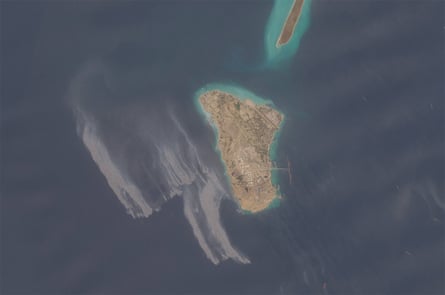
The previous strikes on Iranian tankers in the Gulf of Oman that preceded this warning remain a point of serious contention. While the United States has not officially acknowledged responsibility for these attacks, Iranian officials and observers have attributed them to American military actions. Such maritime incidents have become increasingly common in the region, raising concerns among international observers about the potential for miscalculation or unintended military encounters.
The Middle East military presence of the United States is substantial and longstanding, with American forces deployed at numerous bases, naval installations, and forward operating positions throughout the region. These installations include major naval bases, air force facilities, and Army headquarters that serve as critical hubs for American military operations in Iraq, Afghanistan, and the broader region. The Revolutionary Guard's threat implicitly references these facilities as potential targets for Iranian retaliation.
Iran's maritime security concerns are genuine and deeply rooted in decades of regional conflict and international sanctions. The nation has experienced significant disruptions to its oil exports due to American-led sanctions regimes, which have severely impacted its economy. The protection of Iranian tankers and vessels carrying crucial oil exports represents not just a military matter but an economic imperative for the Iranian government and its population.
The broader context of these tensions involves competing strategic interests in one of the world's most geopolitically important regions. The United States seeks to maintain its regional influence and contain what it views as destabilizing Iranian activities, while Iran seeks to secure its own interests, protect its maritime commerce, and resist what it perceives as American attempts to dictate regional affairs through military and economic pressure.
International observers and regional analysts have expressed concern that continued military incidents and inflammatory rhetoric could derail ongoing diplomatic efforts. The prospect of an accidental escalation leading to a broader conflict remains a significant worry among policymakers in multiple countries. With global energy prices already volatile due to various geopolitical factors, any major disruption to shipping in the Gulf of Oman could have profound economic consequences worldwide.
The diplomatic standoff between Washington and Tehran appears to be reaching another critical juncture. Both sides continue to make public statements emphasizing their commitment to a peaceful resolution, yet both simultaneously engage in military posturing and strategic signaling. This pattern of behavior suggests that negotiations remain possible but extremely fragile, with the potential for rapid deterioration if either side perceives an unacceptable provocation.
The Revolutionary Guard's specific warning about targeting American facilities and ships suggests a detailed operational awareness of US military deployments in the region. This level of specificity implies that Iran has developed plans and capabilities to execute such threats if deemed necessary. Whether such capabilities would prove effective against American military assets remains a subject of debate among defense analysts, but the implicit message that Iran takes such threats seriously appears clear.
As this situation continues to develop, all parties involved face significant pressure to prevent further escalation while maintaining their core interests and credibility. The coming days and weeks will likely prove crucial in determining whether diplomatic efforts can gain momentum or whether military tensions will continue to increase. The international community watches closely, hoping that reason and pragmatism will ultimately prevail over the temptation toward military confrontation in this vital region.
Source: The Guardian


