
Iran Proposes New Middle East Peace Deal

Iran unveils fresh peace proposal to end Middle East conflict, though negotiations remain stalled. Regional officials express cautious optimism amid ceasefire tensions.
Tehran has put forward a new peace proposal aimed at bringing a definitive end to the ongoing Middle East conflict, according to statements from regional officials on Monday. The announcement comes during a critical juncture in diplomatic efforts, as international mediators continue working behind the scenes to prevent a complete collapse of negotiations that have been largely stagnant in recent weeks.
The Iranian proposal reportedly includes several concessions that Tehran had either previously outlined or reiterated in modified form, though sources within the mediating countries appear doubtful about the proposal's potential for success. A Pakistani official involved in mediation efforts reportedly expressed significant skepticism regarding the likelihood of the initiative breaking through the current diplomatic impasse, raising concerns about the trajectory of peace talks.
The situation remains precarious following an extensive period of military escalation between the United States, Israel, and Iran. A ceasefire agreement has managed to halt the majority of violent confrontations after six grueling weeks of intense US-Israeli airstrikes followed by comprehensive Iranian retaliatory measures. However, the fragile truce shows mounting signs of strain, with both sides accusing one another of violations and maintaining heightened military readiness.
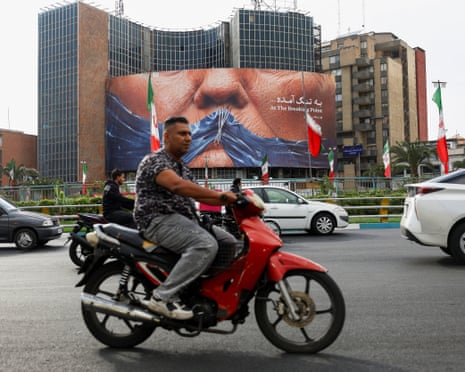
Since former President Donald Trump made his controversial declaration that the ceasefire was "on life support," tensions have escalated considerably. Trump's characterization of the agreement as precarious reflected growing concerns among US officials that the deal was deteriorating and could collapse entirely without substantial diplomatic breakthroughs. His statement effectively signaled skepticism about the durability of the current arrangements and the willingness of all parties to maintain the status quo.
Israeli media outlets have been reporting with increasing frequency that a resumption of full-scale hostilities appears imminent, suggesting that military preparations are underway should diplomatic efforts ultimately fail. These reports have created a climate of anxiety in the region, with civilian populations bracing for the potential return to large-scale violence. Military analysts warn that if fighting resumes, the scope and intensity could exceed the previous round of conflicts.
The Middle East crisis has claimed thousands of lives and displaced hundreds of thousands of civilians across multiple countries in the region. The humanitarian toll has been staggering, with healthcare systems overwhelmed, infrastructure devastated, and entire communities left without access to basic services. International humanitarian organizations have warned of impending catastrophe if the violence resumes.
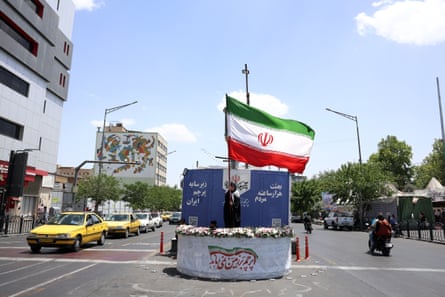
Regional officials have indicated that Iran's latest initiative attempts to address some of the core grievances that have prevented previous peace efforts from succeeding. The proposal allegedly contains provisions related to security guarantees, economic sanctions relief, and territorial concerns that had previously derailed negotiations. However, the complexity of these issues and the deep mistrust between parties make agreement on specific terms extraordinarily difficult.
The role of Pakistan as a primary mediator has proven challenging, given the country's own strategic interests in the region and its complicated relationships with all parties involved. Pakistani officials have maintained that they are committed to facilitating dialogue, yet their pessimistic assessments suggest they have grave doubts about the feasibility of reaching a comprehensive settlement. Their skepticism may reflect behind-the-scenes communications indicating that key parties remain far apart on fundamental issues.
International observers have noted that the peace negotiations are hampered by fundamental disagreements over several major sticking points. These include the scope of weapons proliferation restrictions, verification mechanisms, the timeline for sanctions removal, and security arrangements that would satisfy all parties. Each of these issues has proven exceptionally contentious, with both sides viewing compromise as potentially catastrophic to their strategic interests.
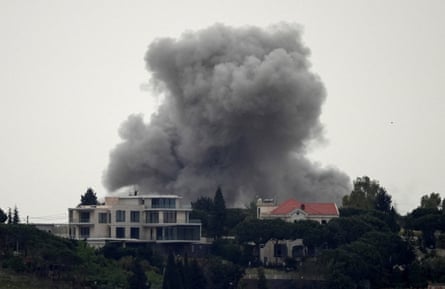
The regional conflict has drawn in numerous other actors, including various armed groups, neighboring countries, and international powers with competing strategic objectives. This complexity has made it extraordinarily difficult to craft a settlement that addresses the concerns of all relevant parties. The involvement of multiple actors with different agendas has effectively multiplied the number of issues that must be resolved for lasting peace to take hold.
Analysts specializing in Middle Eastern affairs have emphasized that the current moment represents a critical window for diplomatic progress before military operations resume. They note that extended periods of ceasefire often increase the likelihood of accidental escalation or deliberate violation by hardline factions seeking to undermine peace efforts. The longer negotiations drag on without tangible progress, the greater the risk of collapse becomes.
The international community, including the United Nations and various regional organizations, has called urgently for all parties to engage constructively in peace efforts and to prioritize civilian protection above all other considerations. Secretary-General statements and official communications from major world powers emphasize the catastrophic consequences of renewed conflict and the moral imperative to pursue diplomatic solutions. Yet these appeals have yielded limited results in recent weeks.
Economic considerations are also playing a significant role in shaping the negotiating positions of various parties involved in the conflict. The costs of military operations, reconstruction needs, and the impact of international sanctions have created pressure for a settlement, yet these same pressures also make compromise more difficult as nations seek to protect their economic and strategic interests. The economics of continued conflict versus peace remain heavily disputed among decision-makers.
Looking ahead, officials and analysts agree that the coming weeks will be decisive in determining whether current peace initiatives can succeed or whether the region will return to large-scale violence. The new Iranian proposal represents another attempt to break the deadlock, but without signs of corresponding movement from other parties, progress remains elusive. The international community continues monitoring developments closely while preparing for multiple possible scenarios.
Source: The Guardian


