
Iran Ridicules Trump's Failed 'Project Freedom' Initiative

Trump's sudden cancellation of Project Freedom reveals Saudi Arabia withdrew military base access, exposing geopolitical tensions in Middle East diplomacy and regional power struggles.
The abrupt termination of Project Freedom has become a focal point of international criticism, particularly from Iran, which has seized the opportunity to mock the Trump administration's handling of Middle Eastern affairs. What initially appeared to be a carefully orchestrated diplomatic maneuver for achieving regional peace has unraveled, revealing the complex and often contradictory interests that underpin modern geopolitical negotiations in one of the world's most strategically important regions.
When President Trump announced the initiative to open the Strait of Hormuz through what was framed as a groundbreaking international coalition effort, the announcement generated significant diplomatic attention worldwide. The project was presented as a comprehensive solution that would ensure freedom of navigation for commercial vessels and establish a new framework for regional stability. However, within merely a day of its public unveiling, the entire initiative was quietly shelved, leaving observers and analysts scrambling to understand what had transpired behind closed doors during such brief deliberations.
The official narrative suggested that Trump had identified a concrete opportunity for achieving a peace deal that demanded immediate action and swift implementation. This carefully crafted messaging was designed to portray the cancellation as a strategic choice rather than a forced retreat, maintaining the appearance of presidential control over circumstances. Yet, as is increasingly common in contemporary international relations, the reality behind the scenes proved substantially different from the public-facing explanation provided to the media and international community.
Investigation into the true circumstances surrounding the project's collapse revealed a critical detail that fundamentally altered the narrative. Saudi Arabia, a crucial regional ally and host to vital US military infrastructure, had withdrawn its consent for American forces to utilize its military bases and airspace for operations connected to Project Freedom. This withdrawal of support essentially rendered the entire initiative logistically impossible, as the operation required substantial air cover capabilities for commercial shipping traversing one of the world's most critical maritime chokepoints.
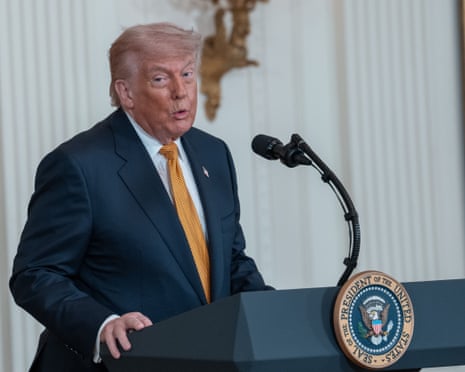
The geopolitical implications of Saudi Arabia's decision extend far beyond the immediate collapse of this particular initiative. It signals shifting calculations within the kingdom regarding its alignment with United States military objectives in the region and reflects broader concerns about the sustainability of their strategic partnership. The Saudis' unwillingness to provide logistical support suggests apprehension about potential consequences, whether from regional adversaries or domestic political considerations that might affect their interests in the volatile Middle Eastern landscape.
This development has exposed the inherent tensions within the Trump administration's approach to Middle Eastern diplomacy and military strategy. The gap between public pronouncements and actual diplomatic capabilities has become increasingly apparent, undermining confidence among regional partners in American commitments and reliability. When a major military initiative can collapse in such dramatic fashion due to the withdrawal of host nation support, it raises fundamental questions about the robustness of existing security arrangements and the strength of international partnerships that supposedly form the foundation of regional stability efforts.
Iran, observing these events unfold, has not missed the opportunity to capitalize on what it perceives as American weakness and mismanagement. The Iranian government has openly mocked the failed initiative, portraying it as evidence of the Trump administration's inability to effectively execute its stated objectives and maintain the loyalty of supposedly steadfast regional allies. For Tehran, the spectacle of Project Freedom's rapid demise serves as validation of their longstanding skepticism regarding American staying power and commitment to long-term regional engagement.
The broader context of war negotiations and peace efforts in the region has been complicated by this episode. Various parties invested in achieving a ceasefire and establishing sustainable peace frameworks have observed how quickly American initiatives can be undermined by unexpected developments and shifting diplomatic calculations. This unpredictability threatens to discourage potential negotiating partners from committing to agreements that depend on sustained American military or diplomatic involvement.
Analysts have noted that the cancellation of Project Freedom reveals fundamental contradictions within the Trump administration's Middle Eastern policy framework. The simultaneous pursuit of conflicting objectives—maintaining strong relationships with Saudi Arabia while conducting independent military operations, promoting regional stability while making unilateral decisions about military initiatives, and pursuing diplomatic breakthroughs while lacking reliable logistical support—has created a situation where policy credibility continues to erode. Each failed initiative makes subsequent diplomatic efforts exponentially more difficult to execute successfully.
The geopolitical landscape of the Middle East has long been characterized by competing interests, historical animosities, and complex webs of alliance-building. The incident involving Project Freedom demonstrates how quickly circumstances can shift when individual regional powers reassess their strategic calculations and decide that particular courses of action no longer serve their interests. Saudi Arabia's decision to withdraw its support for the initiative likely reflected careful consideration of multiple factors, including its own security concerns, domestic political pressures, and long-term strategic positioning in a region characterized by perpetual uncertainty.
International observers have speculated about the specific reasons that prompted Saudi Arabia's reversal of position. Some analysts suggest the kingdom may have determined that participating in the operation posed unacceptable risks, whether in terms of potential retaliation from Iran, complications with other regional actors, or concerns about the initiative's ultimate effectiveness. Others point to internal Saudi deliberations about the advisability of becoming too closely associated with what might be perceived as an overly aggressive American military posture in the region.
The collapse of Project Freedom also underscores the limitations of military solutions to what are fundamentally political and diplomatic problems. The initiative, focused on establishing air cover for commercial shipping, addressed a symptom of regional instability rather than the underlying causes of conflict and tensions that continue to plague the Middle East. Without addressing root causes of discord and establishing frameworks for genuine dialogue among all parties, military measures alone cannot achieve lasting peace or stability.
Looking forward, the incident raises important questions about how the Trump administration will rebuild its credibility with regional partners and how it will approach subsequent diplomatic and military initiatives. The rapid failure of Project Freedom has set a precedent that may make future proposals more difficult to advance, as regional actors have witnessed firsthand how quickly American initiatives can collapse when circumstances change. This precedent could discourage potential partners from investing political capital in supporting future American-led initiatives, fundamentally weakening America's ability to shape regional outcomes through coalition-building and multilateral cooperation.
The mockery emanating from Iranian officials regarding Project Freedom's failure reflects a broader regional dynamic in which America's adversaries view the incident as evidence of declining American influence and effectiveness in Middle Eastern affairs. While the Trump administration may have intended the cancellation as a tactical adjustment rather than a strategic retreat, the international perception of the event strongly suggests otherwise. In modern international relations, perception often matters as much as reality, and the widespread perception of American weakness created by this episode will likely persist regardless of official explanations or subsequent policy adjustments.
As adversaries continue to wrestle over negotiations aimed at ending ongoing conflicts in the region, the experience of Project Freedom will likely inform their calculations about American reliability and commitment. The incident serves as a stark reminder that military and diplomatic initiatives in the Middle East operate within a complex web of constraints, competing interests, and unpredictable factors that can rapidly undermine even carefully planned strategies. For future efforts aimed at achieving regional peace and stability, stakeholders will need to account for these realities and develop approaches that demonstrate greater flexibility, resilience, and sustainable commitment to stated objectives.
Source: The Guardian


