
Iran's Ayatollah Khamenei Tightens Authoritarian Grip

An in-depth look at how Iran's supreme leader, Ayatollah Khamenei, has consolidated power and cracked down on dissent amid growing calls for reform in the country.
As Iran faces mounting economic challenges and growing civil unrest, the country's supreme leader, Ayatollah Ali Khamenei, has tightened his authoritarian grip on power, embracing hardline policies and ruthlessly suppressing any signs of dissent.
Khamenei, who has served as the supreme leader of Iran since 1989, has long been known for his uncompromising stance and his determination to maintain the Islamic Republic's revolutionary ideals. However, in recent years, his hold on power has become increasingly absolute, as he has moved to consolidate his control over the country's political, economic, and social spheres.
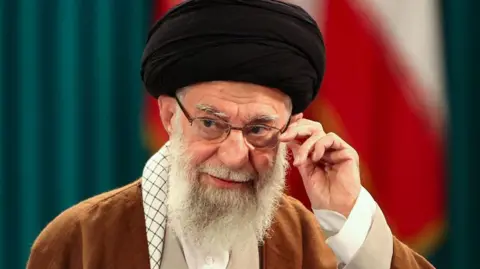
One of Khamenei's key strategies has been to purge the political establishment of any perceived threats to his authority. This has included the imprisonment of reformist politicians, the suppression of critical media outlets, and the crackdown on civil society organizations that have advocated for greater political and social freedoms.
At the same time, Khamenei has sought to strengthen the power of the Islamic Revolutionary Guard Corps (IRGC), the elite military force that has long been a pillar of the regime. The IRGC has not only been tasked with quelling domestic unrest, but has also played a significant role in Iran's foreign policy, particularly its support for proxy groups in the Middle East.
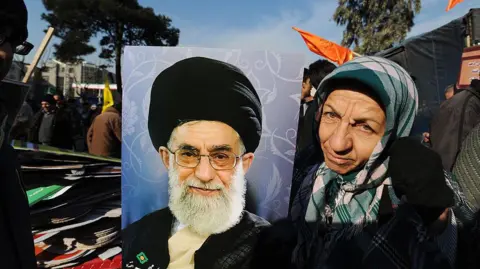
The supreme leader's iron grip on power has been particularly evident in his response to the widespread protests that have swept across Iran in recent years. From the 2009 Green Movement to the 2019 fuel price protests and the 2022 women-led protests, Khamenei has consistently ordered a ruthless crackdown on dissent, with security forces using lethal force against demonstrators and arresting thousands of activists and protesters.
Despite the growing calls for reform and the deepening economic crisis facing the country, Khamenei has shown no signs of loosening his grip on power. Instead, he has doubled down on his authoritarian approach, consolidating his control over the levers of power and positioning himself as the ultimate arbiter of the country's political and social affairs.
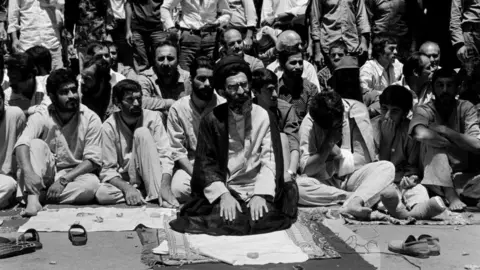
The consequences of Khamenei's iron-fisted rule have been profound, both for the Iranian people and for the country's international standing. As the country continues to grapple with economic challenges and social unrest, the supreme leader's unwavering commitment to maintaining his authoritarian grip on power has become a major obstacle to any meaningful reform or progress.
Source: BBC News


