
Iran's Death Row: Letters Reveal Hidden Executions

Haunting testimonies from Iran's Rajai Shahr prison reveal stories of death row inmates executed during wartime. Letters and videos expose the human cost.
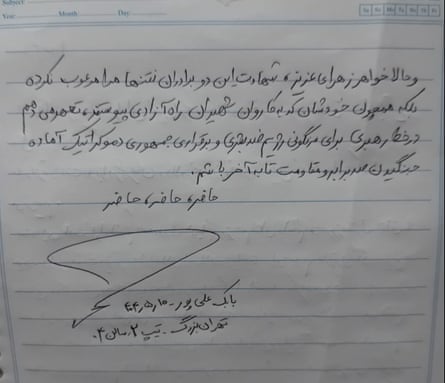
In the confines of Rajai Shahr prison located in Karaj, a city in northern Iran, Babak Alipour penned messages from his cell that would eventually become a window into the devastating reality of Iran's death row. After enduring three harrowing years awaiting his fate, Alipour was led to the gallows in March, his story joining countless others lost to the shadows of state execution. His correspondence, preserved through letters and video testimonies, provides rare insight into the lives of those condemned to death within Iran's prison system.
Alipour's writings documented the profiles of fellow inmates facing similar circumstances, each with their own compelling narrative. Among them was Behrouz Ehsani, a 69-year-old man whose dignified demeanor never wavered despite the grim reality of his predicament. Described as someone who never harbored anger toward their situation, Ehsani represented a quiet resilience in the face of capital punishment. Alipour's accounts paint Ehsani as the elder statesman of their death row community, a figure whose composed nature offered an unexpected source of strength to those around him.
Another individual documented by Alipour was Mehdi Hassani, a 48-year-old man burdened with the weight of fatherhood and the knowledge that his execution would leave three children without their father. During brief encounters in the prison hospital, Hassani consistently requested that Alipour relay messages to his offspring, insisting that he remained in good health despite the deteriorating circumstances surrounding him. These small acts of communication, attempts to maintain connection with loved ones on the outside, underscore the profound human tragedy that underlies executions in Iran's judicial system.

The emergence of these testimonies during a period of significant regional turmoil raises troubling questions about the transparency of Iran's capital punishment practices. Observers and human rights organizations have long alleged that executions are sometimes carried out under the cover of military conflict or national crisis, when international attention is diverted elsewhere. The timing of these deaths, coupled with the limited information made public, suggests a deliberate strategy to execute sentences away from the global spotlight. Such practices represent a serious concern for international human rights advocates monitoring the situation within Iran.
Rajai Shahr prison, where Alipour and his companions spent their final days, has earned a reputation as one of Iran's most notorious detention facilities. The institution houses thousands of inmates, many facing serious charges under Iran's legal code. Conditions within the facility have been the subject of numerous reports documenting overcrowding, poor sanitation, and limited access to adequate medical care. For death row inmates, the psychological toll of indefinite waiting in such an environment becomes an additional burden beyond the sentence itself.
The letters and video messages preserved by prisoners like Alipour serve as irreplaceable historical documentation of life on death row in Iran. These first-hand accounts provide context that official statements and government records often fail to capture. Through their words, inmates reveal the emotional landscape of those awaiting execution: the fears, the hopes for clemency, the attempts to maintain dignity, and the desire to communicate final messages to family members. The preservation of these testimonies represents an important archive of human experience during extreme suffering.
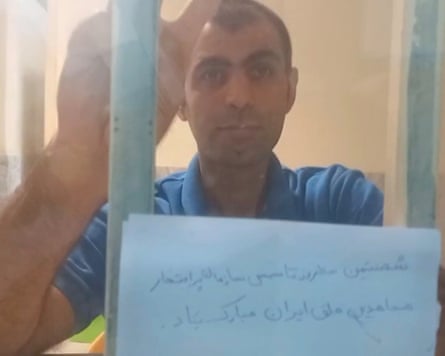
The mention of hospital visits and encounters between inmates suggests that despite the harsh realities of imprisonment, small moments of human connection persisted within the prison walls. These interactions, brief though they may have been, offered inmates opportunities to witness each other's resilience and to perform acts of compassion. Hassani's requests for Alipour to reassure his children exemplify how even in the darkest circumstances, prisoners attempted to maintain bonds with the world beyond their cells. Such details humanize a system that is often discussed in abstract legal or political terms.
The broader context of Iran's capital punishment system involves complex legal, religious, and political dimensions. Iran maintains one of the world's highest execution rates, with hundreds of individuals put to death annually for various offenses ranging from murder to drug trafficking to political crimes. The country's interpretation of Islamic law, which informs its criminal justice system, permits capital punishment for numerous offenses. However, international bodies and human rights organizations frequently criticize both the legal framework and the implementation of these sentences.
The role of international attention in limiting executions cannot be overstated. When cases receive coverage from foreign media outlets and human rights organizations, governments often face pressure that can result in stays of execution or commutations of sentences. Conversely, executions carried out during periods of national crisis or military conflict often escape intensive scrutiny. The pattern of executions during wartime suggests that authorities may strategically time capital sentences when the international community's focus is directed elsewhere. This practice raises serious ethical and legal concerns regarding due process and the protection of condemned individuals.
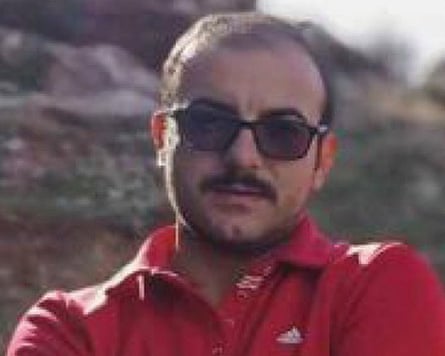
Babak Alipour's three years in custody represent a significant portion of his final chapter on earth. During this extended period, he would have experienced the psychological journey from initial detention through trial, conviction, and final appeal processes. The system's lengthy delays mean that inmates often spend years in uncertainty, not knowing when or if execution might occur. This prolonged anxiety constitutes what many observers characterize as a form of psychological torture, creating additional trauma beyond the sentence itself. Alipour's ability to document his experience and that of his peers during this time provides invaluable testimony to these conditions.
The preservation and eventual publication of prisoner testimonies from within Iranian prisons represents a significant challenge in an environment where censorship and restricted access to information are commonplace. Such materials often emerge through networks of journalists, activists, and human rights organizations working covertly to document abuses. The decision by individuals to record videos or write letters, knowing the risks involved, demonstrates remarkable courage and a determination to ensure that their stories do not vanish into official silence.
Moving forward, these accounts from Rajai Shahr prison will serve as crucial evidence for international advocacy efforts aimed at reform within Iran's criminal justice system. They contribute to a growing body of documentation that challenges the legitimacy of executions in Iran and advocates for alternatives such as life imprisonment or comprehensive justice system reform. The voices of Alipour, Hassani, Ehsani, and countless others continue to demand accountability and recognition of the human cost of capital punishment. Their testimonies ensure that even after death, their existence is acknowledged and their humanity is preserved in the historical record.
Source: The Guardian


