Iran's Economic Crisis May Weaken US Negotiating Stance

Iran faces severe economic challenges from war damage, inflation, and currency crisis. How will this impact future US negotiations and diplomatic relations?
Iran's economy faces mounting pressure from multiple fronts, with war damage, rampant inflation, currency devaluation, and declining oil revenues creating a perfect storm of economic hardship. The combination of these interconnected crises has prompted serious discussion among Tehran's political leadership about how aggressive their negotiating posture can realistically be when dealing with American officials. While the situation may not represent the complete economic collapse that some Western observers predicted, the reality on the ground suggests Iran is grappling with genuine financial distress that could reshape its diplomatic strategy and international relations.
Recent estimates circulating through Iranian media outlets suggest the economic toll from coordinated US-Israeli military operations amounts to approximately nine times the value of Iran's entire annual budget. This staggering figure underscores the severity of the financial challenge facing the country and helps explain why government officials are increasingly concerned about their capacity to maintain a hard-line position in upcoming negotiations. The scale of the economic damage has shifted internal discussions from ideological positioning to pragmatic assessment of what Tehran can realistically afford in terms of continued tensions with Washington.
The inflation crisis gripping Iran has reached alarming levels, with ordinary citizens experiencing substantial increases in the cost of basic necessities including food, fuel, and housing. Currency devaluation has made imports significantly more expensive, further straining household budgets and reducing purchasing power across all income levels. Unemployment remains persistently high, particularly among younger Iranians seeking entry into the job market, creating social pressure that translates into political pressure on government decision-makers.

The United Nations Development Programme has released sobering projections indicating that 4.1 million additional Iranians could be pushed below the poverty line as economic conditions continue to deteriorate. This potential dramatic increase in poverty would place even greater strain on government social services and welfare programs already stretched thin by previous crises. The humanitarian implications of such widespread poverty would likely become a major factor influencing Iran's approach to international negotiations, as leaders grapple with both domestic pressure and diplomatic objectives.
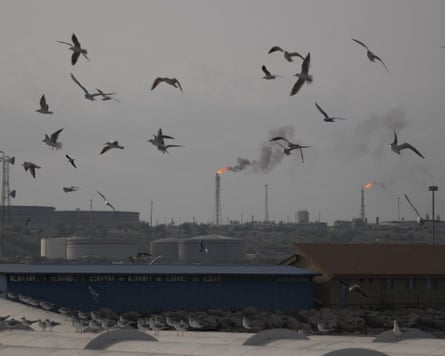
Oil revenue contraction represents another critical element of Iran's economic distress, as international sanctions and reduced global demand limit the country's ability to generate foreign currency through its most valuable export. The combination of lower production capacity, market constraints, and geopolitical limitations on sales has significantly reduced the financial resources available to the Iranian government for both domestic spending and strategic initiatives. This revenue shortfall directly impacts the government's capacity to fund military operations, maintain state institutions, and invest in economic development projects.
War-related costs have diverted enormous resources away from civilian economic priorities, with reconstruction efforts, military expenditures, and humanitarian assistance consuming a substantial portion of available government funds. The scale of physical damage to infrastructure, industrial facilities, and civilian areas requires massive investment simply to restore pre-conflict capacity, let alone pursue new development goals. These competing demands on limited resources force difficult choices about budget allocation and long-term economic strategy.
The negotiating position of Iranian officials in discussions with American counterparts now carries implicit recognition of these economic realities, even if not explicitly stated at the diplomatic table. When a nation faces the prospect of millions of its citizens falling into poverty, political leaders must seriously consider policy adjustments that might ease economic pressure, even if those adjustments involve compromise on previously non-negotiable positions. The traditional hardline stance becomes increasingly difficult to maintain when it contributes to domestic economic deterioration and social hardship.
Internal discussions within Iran's political establishment increasingly reflect tension between ideological commitments and pragmatic economic necessity. Some government factions continue to advocate for unwavering resistance to American pressure, while others argue that economic recovery must take priority and that diplomatic engagement offers the most realistic path to sanctions relief and economic stabilization. This debate shapes the parameters within which Iranian negotiators operate and constrains their ability to maintain maximum demands in international talks.
The broader international context adds another layer of complexity to Iran's economic crisis. Global economic conditions, energy market dynamics, and geopolitical realignments all influence Iran's economic prospects independent of the direct war-related damage and sanctions regimes. Currency markets remain volatile, international investors remain cautious about Iran-related opportunities, and the global oil market continues to experience unpredictability that affects Iranian revenue calculations.
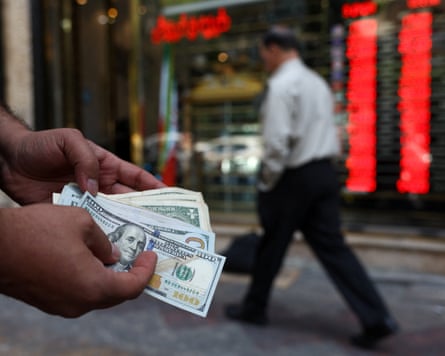
For ordinary Iranians, the economic crisis manifests in daily struggles with purchasing power, employment opportunities, and quality of life concerns. Shopkeepers report declining sales as consumers reduce spending, workers face wage stagnation amid inflation, and families make difficult decisions about essential purchases. This grinding economic difficulty creates social pressure that reverberates through political channels and influences decision-making at the highest levels of government.
Looking forward, Iran's economic trajectory will significantly influence how the country approaches international negotiations and diplomatic engagement with the United States and other global actors. If economic conditions continue deteriorating, pressure for policy adjustments and compromise may intensify. Conversely, if sanctions relief or improved international relations provide pathways to economic recovery, this could reshape Tehran's negotiating calculus and willingness to engage in serious diplomatic discussions.
The intersection of military conflict, economic hardship, and diplomatic negotiation creates a complex situation where multiple competing pressures influence decision-making in Tehran. While ideological commitments remain important in Iranian politics, economic reality increasingly demands attention and consideration in policy formulation. As negotiations with the United States proceed, the underlying economic crisis serves as a quiet but powerful factor shaping Iran's positions, concessions, and negotiating strategy in ways that extend far beyond the formal diplomatic discussions.