
Iran's Political Executions Surge Amid Escalating Regional Conflict

UN confirms 32+ political prisoner executions in Iran since February 28 attacks. Rising death toll raises human rights concerns amid regional tensions.
Since the military strikes targeting Iran on February 28, a troubling surge in political executions has gripped the nation, drawing urgent attention from international human rights organizations and the United Nations. The UN verification of at least 32 documented executions of political prisoners marks a significant escalation in Iran's treatment of dissidents during this volatile period of regional conflict. These grim statistics underscore the deepening humanitarian crisis unfolding within Iranian borders as geopolitical tensions continue to mount in the Middle East.
The timing of these executions coincides with heightened military confrontation in the region, raising critical questions about whether the government is using the conflict as cover for eliminating political opponents. Human rights advocates have expressed profound alarm at the acceleration of death sentences, with some observers suggesting the turmoil provides convenient political cover for silencing dissent. The political prisoner executions represent not merely criminal justice actions but potential acts of state repression against those challenging government authority or advocating for reform.
Among the verified cases are individuals whose final statements have circulated through underground channels and international media outlets, with some allegedly declaring phrases like "this may be the last time you hear my voice." These poignant testimonies highlight the personal tragedy behind the statistics and underscore the desperation of those facing execution for their political beliefs. Families of the condemned have used social media and international contacts to document these cases, creating a shadow record of disappearances and executions that might otherwise remain hidden from global scrutiny.
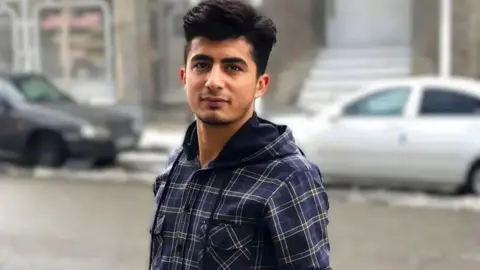
The UN documentation efforts have relied on testimony from witnesses, survivor accounts, and information pieced together from fragmentary sources within Iran where media freedom remains severely restricted. Independent verification of executions in Iran remains exceptionally challenging due to limited access for international observers and tight government control over information. Nevertheless, the United Nations' confirmation of at least 32 cases represents only a fraction of what human rights organizations believe to be the actual number of politically motivated executions occurring in the country.
International organizations have repeatedly warned that Iran has long utilized capital punishment as a tool for silencing political opposition, but the rate of executions since late February appears unprecedented. The execution surge in Iran has prompted diplomatic protests from numerous countries and strong statements from international human rights bodies demanding immediate cessation of these practices. Several nations have announced intentions to raise the issue at upcoming sessions of international human rights forums and to increase pressure on Iran through multilateral channels.
Experts on Iranian politics suggest that the government may be consolidating power and eliminating potential challengers during a period when international attention remains divided by military conflict. The confluence of external military pressure and internal political purges creates a particularly dangerous environment for anyone perceived as a threat to state authority. Historical patterns in Iran and similar regimes indicate that wartime and crisis periods often coincide with accelerated elimination of political rivals and dissidents.

The identities of many executed individuals remain undisclosed, with families either unable or too frightened to publicly acknowledge losses. Those who have been named include activists, journalists, and individuals associated with opposition movements, along with some convicted of vague security charges that human rights groups argue are typically used to prosecute political opponents. The lack of transparent judicial proceedings has further fueled international concern that these executions lack legitimate legal foundation.
The geopolitical context amplifies the severity of these developments, as political repression in Iran occurs amid deteriorating regional stability and military escalation. The February 28 attacks represent a significant turning point in regional tensions, and Iran's response has involved not only military posturing but also intensified internal crackdowns. This dual strategy of external military readiness and internal security operations suggests a government preparing for prolonged conflict while eliminating domestic vulnerabilities.
Humanitarian organizations operating in the region have raised alarm about the compounding crises facing Iranian civilians caught between military operations and state repression. The ability of these organizations to document conditions and assist vulnerable populations has been severely hampered by government restrictions and security concerns. Several international NGOs have documented deteriorating access to legal representation and due process for detained individuals accused of political crimes.
The documented execution cases include individuals with no prior criminal convictions but whose political statements or associations rendered them targets for prosecution under Iran's broadly interpreted national security laws. Some were accused of supporting foreign governments or organizations, while others faced charges related to peaceful protest participation or media criticism. The vague nature of these charges, combined with closed-door trials and limited appeal processes, has created a system where political conviction virtually guarantees severe punishment.
International media outlets have worked to preserve records of some executed individuals' final statements and biographical information, ensuring that these lives are not entirely erased from historical record. Documentary initiatives by press freedom organizations and human rights groups aim to maintain accountability and preserve evidence that might support future justice mechanisms. These efforts underscore the commitment of the international community to bearing witness to these tragedies despite government attempts at suppression.
The broader implications of this execution surge extend beyond immediate humanitarian concerns to questions about Iran's trajectory and future political stability. A government that relies heavily on executions for maintaining control may be signaling weakness and desperation rather than strength. Long-term consequences of mass political executions typically include deepened social divisions, radicalization of opposition movements, and erosion of state legitimacy among significant population segments.
Looking ahead, international pressure on Iran regarding human rights violations is likely to intensify, though the government's demonstrated willingness to disregard international criticism suggests such pressure may have limited immediate impact on policy. The challenge facing the international community involves balancing diplomatic engagement necessary for regional stability with clear condemnation and accountability demands. Multiple approaches, including sanctions, international court referrals, and diplomatic isolation, remain under consideration by various governments and organizations.
The verification by the United Nations, while drawing attention to this crisis, represents only a preliminary accounting of the human toll. As the regional conflict continues and access for international observers remains restricted, the true scope of political prisoner executions may never be fully known. The documented cases serve as testament to ongoing state repression and the urgent need for renewed international focus on protecting fundamental human rights in Iran.
Source: BBC News


