
Iran's Raid on US Radar Plane Exposes Surveillance Gaps

The destruction of a critical US AWACS aircraft in Saudi Arabia raises concerns over airbase security and Iran's ability to strike high-value targets.
Iran's recent attack on a US E-3 Sentry airborne warning and control system (AWACS) aircraft at a Saudi Arabian airbase has exposed vulnerabilities in the US military's surveillance capabilities. The loss of this critical asset has raised questions about how such a valuable target was left unprotected and how Iran was able to launch a direct strike on the plane.
The E-3 Sentry is one of 16 operational AWACS aircraft in the US fleet, first introduced in the 1960s. These planes are equipped with sophisticated monitoring equipment that can detect airborne threats, such as missiles, and provide comprehensive surveillance of the surrounding airspace, including communications, troop movements, and air defense systems.
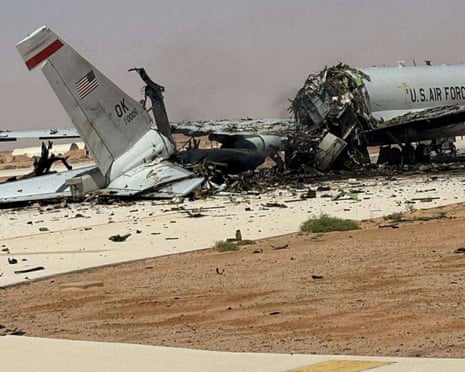
The destruction of this radar plane at the Prince Sultan airbase on March 27th underlines Iran's ability to target and strike high-value military assets, even deep within Saudi territory. This incident raises concerns about the overall security of the base and the vulnerability of critical US surveillance capabilities in the region.
Analysts have pointed out that the AWACS aircraft is typically well-protected, with layers of air defense systems and other security measures in place to guard against such attacks. The fact that Iran was able to penetrate these defenses and successfully target the plane suggests that there may be gaps in the US military's surveillance and security protocols.
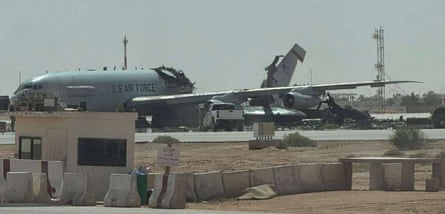
The loss of this AWACS aircraft is a significant setback for the US military's ability to monitor and respond to threats in the region. These specialized planes play a crucial role in providing early warning and comprehensive situational awareness, which is essential for maintaining air superiority and effectively coordinating military operations.
As tensions in the Middle East continue to escalate, the destruction of the US radar plane has highlighted the need for the military to reevaluate its security protocols and explore ways to better protect its critical surveillance assets. The ability of Iran to strike such a high-value target has raised concerns about the potential vulnerability of other US military installations and equipment in the region.
The incident serves as a wake-up call for the US military to closely examine its surveillance and defense strategies, and to take necessary steps to bolster the security of its critical assets and infrastructure in the Middle East. Ensuring the protection of these vital surveillance capabilities is crucial for maintaining military dominance and effectively responding to regional threats.
Source: The Guardian


