
Iran's Rebel Midwife Leads Revolution on Two Wheels

Sara Shahverdi breaks barriers as Iran's only female leader among 1,500 men, riding her motorcycle to deliver babies and champion women's rights.
In the heart of Iran's conservative landscape, where traditional gender roles have long dictated societal norms, one woman has emerged as an unlikely revolutionary. Sara Shahverdi, a motorcycling midwife whose extraordinary story has captured international attention, stands as the sole female leader among 1,500 men in her region. Her remarkable journey from healthcare provider to women's rights advocate has become the subject of an Oscar-contending documentary that promises to illuminate the struggles and triumphs of Iranian women fighting for equality.
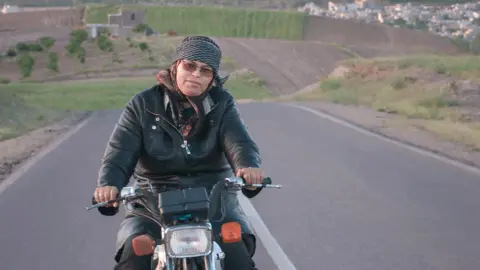
Shahverdi's daily routine defies every conventional expectation placed upon women in her community. Each morning, she mounts her motorcycle and navigates through rural Iranian terrain, her medical bag secured behind her as she races against time to reach expectant mothers. This unique mode of transportation, unconventional for women in her society, has become both a practical necessity and a powerful symbol of her determination to break through societal barriers. Her motorcycle represents more than mere convenience; it embodies freedom, independence, and the courage to challenge established norms.
The documentary, which has garnered significant attention from Academy Award voters and international film critics, follows Shahverdi through her multifaceted role as both medical professional and social activist. Cameras capture intimate moments as she delivers babies in remote villages, often under challenging conditions where modern medical facilities are scarce or nonexistent. These scenes reveal not only her medical expertise but also her deep commitment to serving women who might otherwise lack access to proper healthcare during childbirth.
What makes Shahverdi's story particularly compelling is her evolution from healthcare provider to regional leader and human rights campaigner. In a boardroom filled with 1,500 male counterparts, she stands alone as the only woman to have achieved such a position of authority. This unprecedented achievement in her conservative region represents a seismic shift in traditional power structures and demonstrates the gradual, yet significant changes occurring within Iranian society despite ongoing political and social restrictions.
The film's documentation of Shahverdi's advocacy work reveals the complex challenges faced by Iranian women seeking to expand their rights and opportunities. Through her leadership position, she has initiated numerous programs aimed at improving women's access to education, healthcare, and economic opportunities. Her efforts extend beyond immediate medical care to encompass broader social reform, as she works to create sustainable change that will benefit future generations of Iranian women.
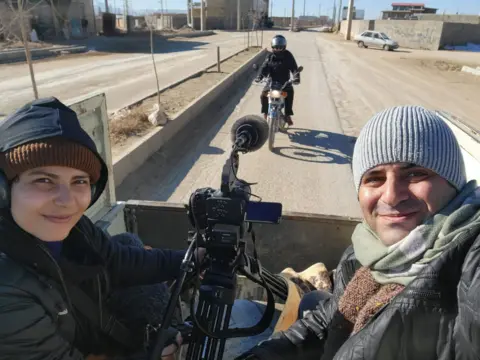
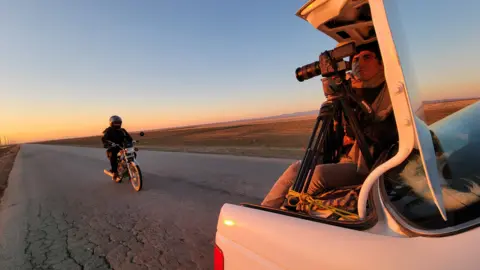
Shahverdi's motorcycle journeys serve as powerful metaphors throughout the documentary, representing the winding path toward gender equality in Iran. Each ride through mountainous terrain and rural communities symbolizes the obstacles she must navigate in her dual mission of providing medical care and advocating for social change. The filmmakers have skillfully captured these journeys, using the stark beauty of the Iranian landscape to contrast with the harsh realities of the social restrictions Shahverdi faces daily.
The international recognition of this documentary comes at a particularly significant time for Iranian women, whose struggles for basic rights have gained global attention following widespread protests and social movements. Shahverdi's story provides a unique perspective on grassroots activism, showing how individual determination and professional competence can create ripple effects that challenge systemic inequalities. Her success in achieving leadership status demonstrates that change, while slow and difficult, remains possible even within highly restrictive social systems.
Healthcare delivery in rural Iran presents numerous challenges that Shahverdi navigates with remarkable skill and dedication. The documentary showcases the resourcefulness required to provide quality medical care in areas where infrastructure is limited and traditional beliefs sometimes conflict with modern medical practices. Her ability to build trust with conservative families while maintaining her professional standards illustrates the delicate balance required to effect meaningful change in traditional societies.
The film's Oscar prospects have brought international attention to issues that might otherwise remain hidden from global view. Documentary filmmakers have praised the work for its intimate portrayal of one woman's courage and its broader implications for understanding contemporary Iranian society. The cinematography captures both the personal moments of Shahverdi's work and the larger social context in which her activism takes place, creating a comprehensive portrait of a remarkable individual and the society she is working to transform.
Shahverdi's influence extends beyond her immediate community, as her story has inspired other Iranian women to pursue leadership roles and challenge traditional limitations. The documentary reveals how her example has encouraged younger women to pursue careers in healthcare and other professional fields previously dominated by men. This multiplier effect demonstrates the profound impact that individual courage can have on broader social transformation.
The technical aspects of Shahverdi's work as a midwife are given appropriate attention in the film, showing her expertise in managing complex births and emergency situations. These scenes provide viewers with insight into the critical importance of skilled birth attendants, particularly in regions where access to hospital facilities may be limited. Her professional competence serves as the foundation for her credibility as a leader and advocate, proving that expertise and dedication can transcend gender-based prejudices.
The documentary also explores the personal costs of Shahverdi's activism and professional choices. Balancing her roles as healthcare provider, community leader, and advocate requires enormous personal sacrifice and exposes her to criticism from conservative elements within her society. The film doesn't shy away from showing the emotional toll of her work or the moments of doubt and exhaustion that accompany such demanding responsibilities.
International audiences have responded enthusiastically to Shahverdi's story, recognizing both its specific relevance to Iranian women's rights and its universal themes of courage, determination, and social progress. Film festival screenings have generated standing ovations and sparked important discussions about the role of individual activism in creating broader social change. The documentary's success demonstrates the power of personal narratives to illuminate complex political and social issues.
As the Academy Awards season approaches, industry observers note that documentaries addressing social justice themes have gained increasing recognition from voters. Shahverdi's story fits perfectly within this trend, offering both compelling personal drama and important social commentary. The film's potential Oscar recognition would bring additional international attention to the ongoing struggles of Iranian women and the inspiring individuals working to create positive change.
The motorcycle that serves as Shahverdi's primary means of transportation has become an iconic symbol within the film, representing freedom, mobility, and the breaking of traditional barriers. Each journey she undertakes challenges conventional expectations about women's roles and capabilities, while also serving the practical purpose of reaching patients who need her medical expertise. This dual symbolism makes her story particularly powerful for audiences seeking both inspiration and understanding of complex social dynamics.
Looking toward the future, Shahverdi's work continues to evolve as she expands her influence and advocacy efforts. The documentary captures her ongoing commitment to training other women in healthcare and leadership skills, ensuring that her impact will extend far beyond her individual achievements. Her legacy is being built not only through her personal accomplishments but also through the opportunities she is creating for other women to follow similar paths toward empowerment and social contribution.
Source: BBC News


