
Iran Threatens Big Tech With Undersea Cable Fees

Iran demands payment from US tech giants for undersea internet cables in Strait of Hormuz, potentially reshaping digital infrastructure in the region.
In a bold assertion of territorial authority, Iran has announced plans to impose substantial fees on major US technology companies for the use of undersea internet cables that traverse beneath the strategically vital Strait of Hormuz. The announcement marks an escalation in Iran's attempts to exert control over critical digital infrastructure passing through one of the world's most important shipping corridors. This development threatens to disrupt the operations of some of the world's largest tech firms and could fundamentally reshape the digital landscape of the Middle Eastern region.
The controversial declaration came through a statement by Ebrahim Zolfaghari, a prominent spokesperson representing Iran's military establishment and the Islamic Revolutionary Guard Corps. In a May 9 social media post, Zolfaghari bluntly declared, "We will impose fees on internet cables," signaling Iran's intention to monetize the critical digital infrastructure that flows beneath its territorial waters. The statement, though brief and lacking specific implementation details, sent shockwaves through the technology industry and raised serious concerns about the future accessibility and cost of regional internet connectivity.
The feasibility and enforceability of Iran's proposed fee structure remain uncertain, particularly given that a substantial portion of these undersea cable routes actually traverse waters under the control of Oman, a neighboring Gulf state with different geopolitical interests. This geographical reality complicates Iran's ability to unilaterally implement and collect such fees, though the country's strategic location still grants it significant leverage over the region's digital infrastructure. Legal experts and international observers have questioned whether Iran possesses the actual authority to impose such charges on private companies operating within international waters.
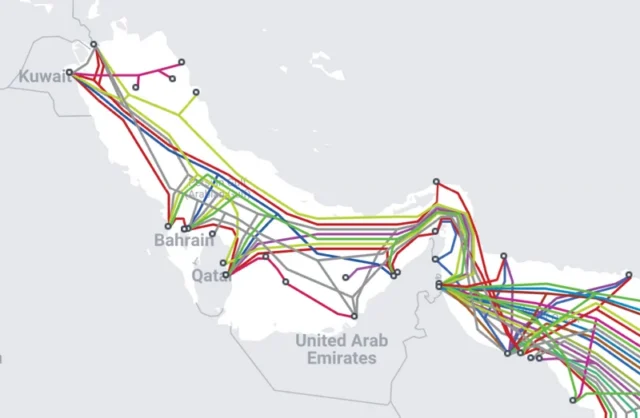
Building on the initial military announcement, Iran's state-aligned media outlets, including Tasnim and Fars news agencies, subsequently released more elaborate and detailed proposals outlining how Iran could structure a cable licensing fee system for US technology giants. These plans specifically identified major corporations including Meta, Google, Amazon, and Microsoft as primary targets for the proposed fee structure. The media outlets outlined various mechanisms through which Iran could charge these companies licensing fees not only for the initial use of the cables but also for ongoing maintenance and operational expenses associated with the critical infrastructure.
The timing of Iran's demands coincides with an already fraught situation in the region, where ongoing tensions have already resulted in the suspension and cancellation of multiple undersea cable projects. Several international tech companies had initiated ambitious expansion plans to improve internet connectivity across the Middle East and South Asia, but these initiatives have been placed on hold due to geopolitical instability. The latest Iranian threats appear designed to capitalize on this uncertainty and establish Iran's authority before alternative solutions can be fully implemented.
Industry analysts suggest that Iran's aggressive posture regarding digital infrastructure control may paradoxically accelerate efforts by major technology companies and Gulf nations to develop and implement alternative cable routes that completely bypass the Strait of Hormuz. Several projects are already in various stages of planning or development, designed to route internet traffic through alternative pathways that would minimize dependence on cables passing through contested waters. These bypass routes would allow technology companies to reduce their exposure to Iranian demands while ensuring more reliable service to their Gulf-based operations and users.
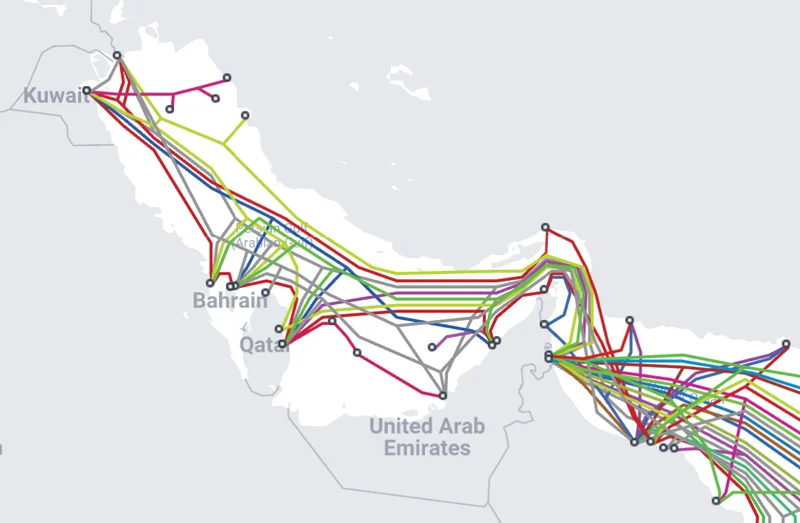
The Strait of Hormuz itself represents an extraordinarily strategic chokepoint in global commerce, with an estimated 21 percent of all petroleum traded internationally passing through its narrow waterways on an annual basis. Beyond oil and gas, the region's undersea cables carry the vast majority of data traffic between Asia, Europe, and Africa, making them essential to the functioning of the global digital economy. Any disruption to these cables or imposition of new fees could have cascading effects on international business, communications, and financial markets that depend on reliable, affordable internet connectivity.
Previous incidents in the Strait of Hormuz have demonstrated the vulnerability of undersea cable infrastructure to both natural disasters and deliberate interference. Reports of cable damage and disruptions have periodically disrupted internet service across the region, sometimes for extended periods. Iran's current threats add a new dimension to these concerns by introducing the possibility of intentional disruption or the weaponization of cable access as a means of extracting financial concessions from international technology companies.
The response from affected technology companies has been relatively muted so far, with most major firms declining to publicly comment on Iran's demands. However, behind the scenes, corporate leadership and government officials in Western nations have likely been engaged in detailed discussions about potential responses and mitigation strategies. These conversations presumably include assessments of Iran's actual ability to enforce such fees and evaluation of the costs and benefits associated with complying with versus resisting the demands.
Gulf Cooperation Council nations, which represent some of the primary beneficiaries of the undersea cable infrastructure, have expressed concern about Iran's actions and their potential impact on regional digital development. Countries like the United Arab Emirates, Saudi Arabia, and other Gulf states have invested heavily in becoming regional technology hubs and depend on reliable, affordable international connectivity. Any disruption or increase in costs resulting from Iranian fees could undermine these ambitious development plans and divert resources away from other critical infrastructure projects.
International legal authorities and maritime organizations continue to grapple with questions about the applicability of existing international law to Iran's claims. The United Nations Convention on the Law of the Sea provides frameworks for coastal state authority, but the extent to which these provisions allow Iran to impose fees on undersea cables remains subject to considerable debate among legal experts. The resolution of these questions will likely require input from international courts or arbitration panels if the dispute escalates beyond the current diplomatic posturing.
Looking forward, the situation highlights the growing importance of digital sovereignty and the strategic nature of internet infrastructure in contemporary geopolitics. As nations increasingly recognize the critical importance of data transmission and digital connectivity to their economic and security interests, conflicts over undersea cables and internet routing are likely to become more frequent and more contentious. Iran's current demands represent just one manifestation of this broader trend toward the nationalization and politicization of previously depoliticized technical infrastructure.
Technology companies and international observers will be watching closely as this situation develops to determine whether Iran will follow through on its threats or whether the demands represent primarily negotiating leverage for achieving other geopolitical objectives. The outcome will likely set important precedents for how other nations might attempt to assert control over critical digital infrastructure in their territorial waters. The months ahead will prove crucial in determining whether international norms and legal frameworks can adequately address these emerging challenges to the open and equitable operation of global internet infrastructure.
Source: Ars Technica


