
Iran Unity Defies Trump Claims of Leadership Chaos

Despite Trump's assertions of Iranian regime infighting, experts suggest Tehran maintains institutional cohesion amid high-level assassinations and regional tensions.
Donald Trump has repeatedly claimed that infighting between moderates and hardliners in Iran's leadership structure is so severe that the country has effectively lost sight of who actually governs it. However, numerous Iran policy experts and regional analysts have fundamentally challenged this characterization, arguing instead that Tehran has demonstrated remarkable institutional cohesion despite experiencing a series of devastating mass assassinations targeting its most senior military and political commanders in recent months.
The former president's latest allegations of what he termed "CRAZY" divisions within the Iranian power structure mark the second time in just three days that he has publicly highlighted this narrative about regime instability. This rhetorical strategy is particularly notable given Trump's conflicting statements on Iranian leadership, where he has alternately claimed to possess little substantive knowledge about the new Iranian government or suggested that wholesale regime change has already occurred within the country.
Security analysts and Middle East specialists have offered a more nuanced interpretation of recent developments within Iran's political establishment. They contend that despite the significant loss of experienced military leaders through targeted operations, the Iranian system has proven surprisingly resilient in maintaining operational continuity and strategic direction. This institutional durability suggests that Iran's unified strategic approach may stem from a war-tested organizational culture developed through decades of regional conflict and international pressure.

The backdrop to current discussions about Iranian internal dynamics centers on the assassination of senior Iranian commanders, events that would theoretically destabilize any government structure. Yet observers note that Iran's response has been characterized by organizational stability rather than the chaos and paralysis that such losses might typically produce in other national systems. This apparent resilience raises important questions about the actual nature of decision-making within the Iranian government and the degree to which power is centralized versus distributed across institutional actors.
The strategic unity displayed by Iran, according to regional experts, may reflect institutional lessons learned from prolonged conflict and sustained international pressure. Rather than operating as a government prone to factional paralysis, Iran's leadership appears capable of coordinating responses across different ideological wings and policy preferences. This coordination has remained evident even as the country has faced significant personnel losses at the highest levels of command, suggesting that institutional mechanisms and succession planning have proven more effective than many outside observers anticipated.
Trump's characterization of Iranian leadership as essentially headless appears to oversimplify the complexity of decision-making structures within Tehran. While distinctions between pragmatist and hardline factions do genuinely exist within Iranian politics, these divisions have not prevented the government from formulating and executing coherent strategic responses to regional challenges. The presence of factional differences within any government is not equivalent to the kind of paralyzing dysfunction Trump has suggested characterizes current Iranian governance.
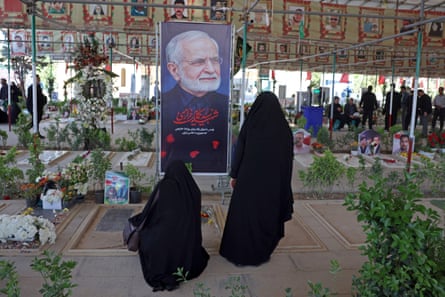
Recent negotiations between the United States and Iran may themselves be reflecting a degree of internal Iranian tension regarding optimal diplomatic strategy. However, experts suggest that what Trump interprets as debilitating infighting might more accurately represent the kind of policy debate and deliberation that occurs within any functioning government apparatus when confronting complex strategic decisions. The tension around these negotiations could reflect disagreements about the best path forward rather than evidence of a government lacking clear leadership or direction.
The loss of more pragmatic and experienced figures within Iran's military and political establishment through recent assassinations creates its own complications for Iran's diplomatic negotiations with Washington. These operations eliminated leaders who may have possessed both the experience and the credibility with hardline elements to negotiate agreements that could survive internal scrutiny. This may actually complicate Iran's negotiating position rather than simplify it by removing putative hardliners, as the more pragmatic voices capable of building consensus on accommodations have been specifically targeted.
Observers familiar with Iranian institutional structures note that the country's government operates through established protocols and succession mechanisms that provide continuity even when senior leaders are removed. The Islamic Revolutionary Guard Corps and other state institutions have developed administrative capacity to function despite disruptions at the leadership level. This institutional infrastructure appears more robust than the external commentary on Iranian governance chaos typically acknowledges, allowing the state to maintain strategic coherence across personnel transitions.
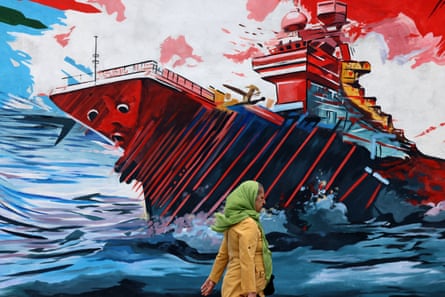
The question of Iranian leadership clarity ultimately reflects broader analytical challenges in understanding non-Western political systems. Western observers sometimes project assumptions about how governments should function onto systems that operate according to different principles and institutional logics. Iran's system, while genuinely containing competing factions and strategic viewpoints, nonetheless demonstrates the capacity to reach decisions and implement coordinated policy responses that belie claims of complete institutional paralysis.
Trump's repeated invocation of Iranian leadership chaos may serve rhetorical purposes within his domestic political communication, but it appears increasingly at odds with how Iran actually appears to be functioning. The country continues to formulate responses to regional challenges, coordinate with allied parties, and engage in strategic negotiations with international actors. These actions suggest a government that, while potentially containing internal debate, has not descended into the kind of dysfunction Trump's language implies.
The resilience of Iranian institutions under stress offers important lessons about the durability of state structures and the distinction between factional tensions and complete systemic breakdown. Many governments throughout history have contained competing factions and viewpoints while still maintaining operational capacity. The evidence suggests Iran belongs in this category rather than representing a unique case of government paralysis. Understanding this distinction is essential for accurate assessment of Iran's actual capabilities and decision-making trajectories in the months ahead.
Source: The Guardian


