
Iran Vows Retaliation Over US Cargo Ship Seizure

Iran threatens response after US Navy disables Iranian cargo vessel. Tensions escalate as peace talks with Pakistan remain unconfirmed by Tehran authorities.
In a significant escalation of maritime tensions in the Middle East, Iran has declared its intention to retaliate against the United States for the seizure and disabling of an Iranian cargo ship in international waters. The confrontation marks another flashpoint in the ongoing hostilities between Washington and Tehran, drawing heightened international concern about potential spillover effects in one of the world's most strategically important shipping corridors.
According to statements from US officials, the Iranian vessel ignored multiple warnings from American naval forces before the US Navy took decisive action. Former President Donald Trump characterized the incident in stark terms, asserting that the US military "blew a hole" in the ship's engine room to prevent it from continuing its voyage. The Pentagon subsequently released video footage documenting the attack, providing visual confirmation of the operation's execution and the extent of the damage inflicted on the vessel.
The Iranian cargo ship seizure represents an intensification of military posturing in the region, particularly given the strategic location of the incident in contested waters. The US Navy operation was reportedly conducted after the Iranian vessel failed to respond to repeated communications from American warships instructing it to alter course or submit to inspection. The incident unfolded against the backdrop of existing maritime tensions that have characterized US-Iran relations for decades.
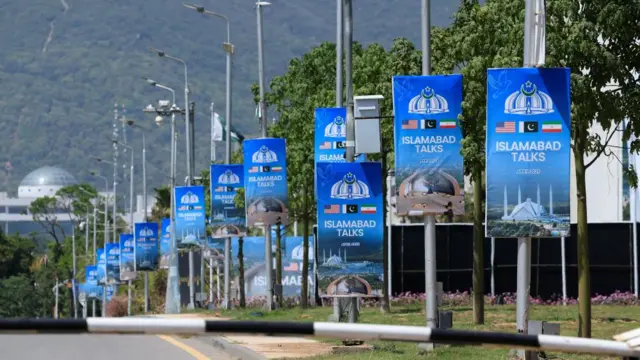
Meanwhile, separate diplomatic developments suggest that peace negotiations between the United States and Iran may be in preliminary stages, though Iranian authorities have notably refrained from publicly confirming these discussions. According to diplomatic sources, American negotiators are scheduled to travel to Pakistan on Monday to engage in what officials describe as further rounds of talks aimed at de-escalating tensions between the two nations. The timing of these diplomatic overtures coincides with the cargo ship incident, creating an unusual dynamic wherein military confrontation and peace dialogue appear to be occurring simultaneously.
The apparent contradiction between military aggression and diplomatic engagement reflects the complex and often contradictory nature of contemporary international relations between the United States and Iran. The US-Iran tensions have persisted for more than four decades, with periodic attempts at reconciliation interrupted by incidents that inflame animosities and harden positions on both sides. The current situation exemplifies this pattern, with military action potentially undermining the diplomatic efforts being pursued through back channels.
Iranian officials have not yet formally confirmed whether their government will participate in the proposed talks in Pakistan or whether Tehran views the cargo ship incident as a justification for withdrawing from negotiation processes. The strategic ambiguity maintained by Iranian leadership regarding the peace discussions suggests that the nation's response to the US seizure of the vessel may determine whether diplomatic efforts progress or stall entirely. This uncertainty has created significant tension in diplomatic circles, with international observers closely monitoring Iran's next moves.
The Strait of Hormuz maritime incident occurred in one of the world's most critical shipping lanes, through which approximately one-third of global maritime trade flows daily. The strategic significance of the waterway means that any disruption to shipping or escalation of military activities in the region carries implications far beyond the immediate participants, potentially affecting energy prices and global supply chains. International shipping companies have grown increasingly concerned about the security environment in the Persian Gulf, with some vessels taking extended routes to avoid the disputed waters.
Security analysts have noted that the Iranian response to the cargo ship seizure will likely be carefully calibrated to avoid triggering a full-scale military escalation while still demonstrating resolve to domestic audiences and regional allies. Iran's military leadership has a history of proportional responses to perceived provocations, seeking to maintain a balance between deterrence and avoiding actions that would invite overwhelming American military retaliation. The coming days will be crucial in determining whether Iran opts for military, economic, or purely rhetorical responses.
The broader context for these developments includes Middle East geopolitics shifting as various regional actors navigate post-pandemic international relations and changing US policy priorities. The Trump administration's return to a more confrontational stance toward Iran contrasts with the previous administration's efforts to implement the Joint Comprehensive Plan of Action, commonly known as the nuclear deal. This fundamental disagreement over appropriate policy toward Tehran has created uncertainty regarding whether current diplomatic initiatives have any realistic chance of success.
International maritime authorities have begun issuing updated advisories regarding navigation in the Persian Gulf region, warning commercial shipping companies to exercise heightened caution and maintain increased situational awareness. The shipping security concerns have prompted some maritime insurance companies to reassess premiums for vessels transiting the region, effectively increasing the cost of commerce through these strategically vital waterways. Major global shipping organizations have called for international intervention to restore stability and predictability to the maritime environment.
Observers within the diplomatic community have expressed concern that the cargo ship incident may have damaged the credibility of the US negotiating position ahead of the Pakistan talks, potentially hardening Iranian resistance to compromise. The optics of simultaneously conducting military operations against Iranian assets while purporting to seek peaceful resolution create an inherent contradiction that Tehran is likely to emphasize in its public statements and internal decision-making. Pakistani officials, tasked with hosting the negotiations, have indicated their commitment to facilitating constructive dialogue but expressed uncertainty about the prospects given the escalated military tensions.
The incident also raises questions about the legal frameworks governing maritime operations in international waters and whether the US Navy's actions conform to established international maritime law. International legal scholars have begun analyzing the incident within the context of existing treaties and conventions governing the use of force at sea, with opinions diverging regarding the legitimacy of the American operation. These legal complexities add another layer of difficulty to efforts aimed at achieving diplomatic resolution.
As the situation continues to develop, both the United States and Iran face critical decisions that will shape the trajectory of their relationship in the coming months. The cargo ship seizure and subsequent threats of retaliation demonstrate that despite occasional diplomatic openings, fundamental antagonisms continue to drive the interaction between these two regional powers. The international community watches anxiously, hoping that the planned Pakistan talks can provide a pathway toward reduced tensions and a more stable security environment in the Persian Gulf region.
Source: BBC News


