
Iran War Offensive Phase Ends, US Officials Declare

US Secretary of State Rubio claims offensive stage of Iran conflict is over as Strait of Hormuz tensions rise and Iranian officials hint at escalation.
The offensive phase of the Iran conflict appears to be concluding, according to statements made by US Secretary of State Marco Rubio in recent diplomatic communications. This assertion comes at a particularly delicate moment, as multiple incidents continue to unfold in the strategically vital Strait of Hormuz, one of the world's most important maritime chokepoints responsible for global energy security and international commerce. The declaration represents a significant shift in the rhetoric surrounding the ongoing tensions between the United States and Iran, suggesting a potential de-escalation in military operations that have dominated headlines in recent months.
However, the optimistic assessment from Washington stands in stark contrast to defiant statements emerging from Tehran. Iranian officials have pushed back against American claims, with unnamed representatives suggesting that their country's response efforts are only in their nascent stages. The phrase "We are just getting started" carries significant implications, indicating that Iran may be planning additional military actions or strategic maneuvers that could further destabilize an already fragile situation. This rhetorical clash between US and Iranian officials underscores the deep mistrust and fundamental disagreements that continue to plague bilateral relations in the Middle East.
The Strait of Hormuz incidents serve as a critical backdrop to these diplomatic pronouncements. This narrow waterway, through which approximately one-third of the world's seaborne traded oil passes daily, has become a flashpoint for regional tensions. The recent incidents—ranging from ship seizures to aggressive naval maneuvers—demonstrate how quickly the situation can escalate despite proclamations of ceasefire adherence. International observers and maritime authorities have expressed serious concerns about the potential for these incidents to spiral into a broader regional conflict that could have devastating consequences for global energy markets and international stability.
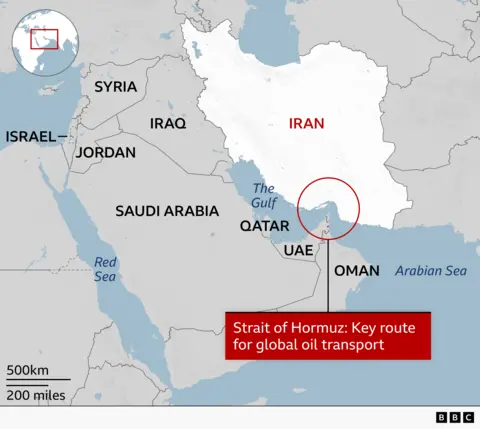
Secretary of State Rubio's statement about the offensive phase ending suggests that the United States believes the most intense period of direct military confrontation has passed. This assessment appears to be based on intelligence analyses and observed reductions in certain types of military activity. However, experts caution that the distinction between "offensive" and "defensive" operations can be ambiguous, particularly in a complex geopolitical environment where both sides maintain competing narratives about who initiated hostilities. The careful language employed by US officials hints at ongoing negotiations and behind-the-scenes diplomatic efforts aimed at preventing further escalation while maintaining American strategic interests in the region.
Ceasefire agreements and their enforcement represent another layer of complexity in this situation. Both sides have committed to various ceasefire arrangements, yet the continuing incidents suggest that implementation and interpretation of these agreements remain contested. Questions persist about what constitutes a violation of the ceasefire, who is responsible for specific incidents, and what mechanisms exist to verify compliance. International mediators and third-party observers face significant challenges in establishing neutral ground from which to assess adherence to these agreements and identify provocateurs attempting to undermine peace efforts.
The geopolitical implications of this conflict extend far beyond the bilateral relationship between the United States and Iran. Regional allies, particularly Gulf Cooperation Council members, remain deeply concerned about potential spillover effects. Saudi Arabia, the United Arab Emirates, and other neighboring states have significant economic and security interests at stake. The international community's response to Iran-US tensions reflects broader concerns about regional stability, economic disruption, and the potential for miscalculation leading to wider conflict. European nations, in particular, have sought to maintain diplomatic channels and prevent further deterioration of the situation.
Energy markets have already responded to the uncertainty surrounding the Iran conflict and maritime security in the Persian Gulf region. Oil prices have experienced volatility, reflecting traders' concerns about potential supply disruptions should the situation deteriorate further. This economic dimension adds urgency to diplomatic efforts, as prolonged tensions could lead to sustained higher energy costs with ripple effects throughout global economies. Insurance premiums for ships transiting the Strait of Hormuz have similarly increased, reflecting the genuine risks perceived by the maritime insurance industry.
Military analysts remain divided on the accuracy of Rubio's assessment regarding the offensive phase conclusion. Some argue that describing military operations in purely offensive or defensive terms oversimplifies the reality of modern hybrid warfare, which includes cyber operations, economic pressure, proxy forces, and information warfare. Others suggest that the statement may be primarily intended for domestic political consumption, reassuring American lawmakers and the public that military escalation is being controlled and that diplomatic solutions are being pursued. The true measure of progress will ultimately be determined by the absence of further violent incidents and evidence of genuine de-escalation.
The Iranian response, characterized by statements suggesting that "we are just getting started," carries multiple possible interpretations. It could represent genuine intent to pursue additional military or asymmetric operations, or it could constitute rhetorical posturing designed to maintain domestic support and deter further American military action. Iranian government messaging and strategic communications have historically employed ambiguous language that allows for flexible interpretation depending on domestic and international audiences. This communicative approach reflects the complex domestic political environment within Iran, where various factions compete for influence over national security policy.
Historical precedents provide limited guidance for predicting the trajectory of current tensions. Previous Iran-US military confrontations have sometimes de-escalated following dramatic incidents, while other situations have gradually escalated toward broader conflict. The 2019 drone shootdown incident, for example, appeared poised to trigger significant military retaliation but ultimately resulted in limited Iranian strikes that were largely absorbed without further American military response. This precedent suggests that both sides may have developed tacit understandings about acceptable levels of response and escalation thresholds, though such understandings remain fragile and vulnerable to misinterpretation.
Diplomatic efforts continue behind the scenes, with various international actors attempting to mediate and establish communication channels between Washington and Tehran. Switzerland, historically a neutral ground for such negotiations, has hosted various diplomatic discussions. The involvement of international organizations and concerned regional actors reflects recognition that Middle East stability and nuclear negotiations remain interconnected challenges requiring comprehensive solutions. Any sustainable resolution will likely need to address not only immediate military tensions but also the underlying issues related to sanctions, nuclear programs, and regional influence that have defined the relationship for decades.
Looking forward, the coming weeks and months will prove critical in determining whether Rubio's characterization of the offensive phase ending proves accurate or premature. Continued incidents in the Strait of Hormuz, additional inflammatory rhetoric, or new military provocations would suggest that the conflict remains in active escalation phase. Conversely, if incident frequency decreases and both sides begin demonstrating genuine commitment to de-escalation measures, the narrative of concluded offensive operations may gain credibility. The international community, meanwhile, remains vigilant and prepared to respond to further developments that could have profound implications for regional security and global stability.
Source: BBC News


