
Ireland Expands Fuel Support Package Amid Public Pressure

Irish government introduces additional fuel assistance for multiple sectors following widespread protests demanding relief from rising energy costs.
The Irish government has unveiled an expanded fuel support package targeting multiple economic sectors in response to intensifying nationwide protests that have swept across the country in recent weeks. The announcement reflects growing pressure from businesses, farmers, and transport operators who have been struggling with unprecedented energy cost increases that have threatened their operational viability and profitability.
This latest initiative builds upon previous relief measures that the government had introduced to address the energy crisis affecting Ireland. The decision to extend support came after sustained public demonstrations highlighted the financial strain facing various sectors beyond those initially covered by earlier assistance programs. Government officials acknowledged that the rising fuel prices have created a challenging economic environment requiring comprehensive intervention across multiple industries.
The expanded fuel assistance scheme aims to provide relief to sectors that play crucial roles in Ireland's economy and society. Key beneficiaries of the new support measures include agricultural operations, transport and logistics companies, manufacturing facilities, and other energy-intensive industries that have experienced significant operational cost increases. The government emphasized that these sectors are essential to maintaining economic stability and supporting broader employment across the nation.

The announcement comes at a particularly sensitive time for the Irish economy, as businesses and households continue grappling with inflation pressures stemming from global energy market volatility. The government's decision to expand its support demonstrates a commitment to mitigating the impact of external economic shocks on domestic industries and workers. Officials indicated that the timing of this announcement reflects their responsiveness to public concerns and the urgent need for economic relief measures.
Farmers and agricultural representatives had been among the most vocal protesters, citing concerns about escalating costs for fuel, heating, and transportation of goods. The agricultural sector has been particularly vulnerable to energy price fluctuations due to its dependence on diesel for machinery operation and farm vehicles. By extending support to this sector, the government addresses one of the most mobilized groups demanding action on fuel costs and economic sustainability.
Transportation and logistics companies also stand to benefit significantly from the expanded fuel support initiatives. These businesses form the backbone of Ireland's supply chain infrastructure, and their ability to operate efficiently directly impacts the broader economy. Rising fuel costs had threatened to increase shipping and delivery expenses, potentially leading to higher prices for consumers and reduced competitiveness for Irish businesses in international markets.
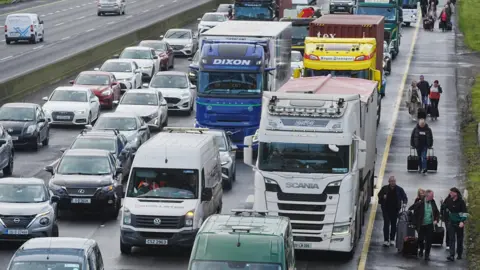
The government's response to the protests demonstrates the political sensitivity surrounding energy affordability in Ireland. Opposition parties and advocacy groups had criticized earlier support measures as insufficient, arguing that more comprehensive action was needed to address the scale of the crisis. The expanded package represents an attempt to build broader consensus on government economic policy while addressing concerns from constituencies across different sectors.
Manufacturing and other energy-intensive industries will also receive attention under the new framework, recognizing their importance to Ireland's industrial base and employment. These sectors often operate on tight profit margins, making them particularly vulnerable to sudden cost increases. Support for manufacturing helps preserve jobs and maintains Ireland's position as a hub for industrial production within the European Union.
The announcement included details about how the fuel relief measures would be administered and distributed to eligible businesses. Government officials outlined application procedures and eligibility criteria designed to ensure that support reaches those most severely impacted by energy cost increases. The implementation timeline for the expanded package was also clarified, with commitments to move swiftly in delivering assistance to struggling sectors.
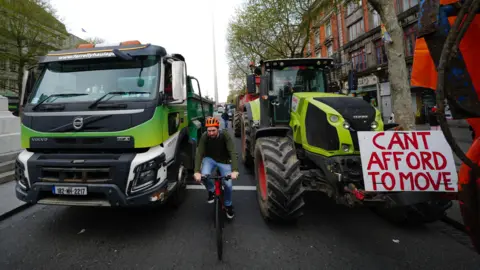
Financial analysts have noted that the government's willingness to expand fuel support reflects broader concerns about economic stability and the potential for cascading negative effects throughout the economy. When key sectors struggle with unsustainable costs, the impacts ripple through supply chains, employment, and consumer prices. By intervening to support these industries, the government aims to prevent wider economic disruption and maintain confidence in the recovery from recent crises.
Environmental considerations also factor into discussions surrounding fuel support policies. While providing relief for fuel costs, government officials have attempted to balance these measures with commitments to renewable energy transition and climate objectives. The support packages include some provisions intended to encourage efficiency improvements and gradual shifts toward more sustainable energy sources, even as immediate relief is provided for current operational challenges.
International energy market dynamics have significantly influenced Ireland's fuel situation, as the country depends substantially on imported energy resources. Global geopolitical tensions and supply chain disruptions have contributed to volatile energy prices that affect Irish consumers and businesses disproportionately. The government's fuel support program represents a domestic policy response to these external pressures beyond immediate national control.

The expanded support package is expected to require substantial government expenditure from the national budget. Treasury officials have evaluated the fiscal implications of extending fuel assistance across multiple sectors and timeframes. The government has committed to finding budgetary space for these measures while maintaining progress on other policy priorities and fiscal sustainability objectives.
Public sector workers and employees in government-funded services have also benefited from discussions around energy cost support, as their employers face increased operational expenses. Schools, hospitals, and other essential services have experienced rising utility costs that impact their ability to provide services effectively. Some elements of the expanded support package address these concerns in the public sector as well.
Looking ahead, the government has indicated that continued monitoring of energy markets and economic conditions will inform whether further adjustments to fuel support policies are necessary. Officials have suggested that the expanded package represents a significant commitment while remaining open to additional measures if circumstances warrant further intervention. This flexible approach acknowledges the unpredictability of global energy markets and the importance of responsive policymaking.
The announcement of expanded fuel support measures reflects the Irish government's recognition that economic resilience requires timely intervention during periods of external economic stress. By responding to protests and demonstrating responsiveness to business and public concerns, the government aims to build social consensus around its economic policies. The success of these measures will depend on effective implementation and their ability to genuinely relieve the financial pressures facing affected sectors and workers across Ireland.
Source: BBC News


