
Is America's Love Affair With Cocaine Finally Ending?

Gen Z is ditching cocaine for ketamine and psychedelics. Explore why illicit drug trends are shifting dramatically among younger Americans.
The landscape of recreational drug use in America is undergoing a significant transformation, particularly among Generation Z consumers who appear to be abandoning traditional stimulants in favor of emerging alternatives. Data from recent years reveals a notable decline in cocaine consumption among younger demographics, marking a departure from the patterns established by previous generations who embraced the drug during its explosive popularity in the late twentieth century.
Since cocaine emerged as a party drug phenomenon along Miami's vibrant coastlines during the early 1970s, the stimulant became deeply intertwined with American cultural identity and capitalist aspirations. The drug represented a particular brand of excess—flashy, uninhibited, and distinctly connected to the pursuit of wealth and status that defined an era. Its trajectory through American society mirrored broader economic and social trends, becoming almost emblematic of a certain approach to living fast and accumulating wealth without constraints.
However, the widespread adoption of cocaine use across America has historically generated substantial social consequences and triggered extensive governmental intervention. The illegal nature of the cocaine trade, combined with aggressive federal policies surrounding drug enforcement, created what authorities termed the "war on drugs." This multidecade initiative fundamentally altered criminal justice practices, incarceration rates, and community dynamics across the nation, leaving lasting impacts that continue to reverberate through American society.
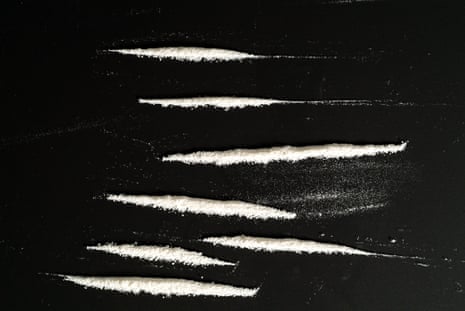
The shift away from cocaine among Gen Z populations represents more than a simple preference change; it reflects evolving attitudes toward recreational substances and their perceived risks and rewards. Younger consumers increasingly gravitate toward ketamine and psychedelics as alternatives, substances that carry different psychological profiles and social contexts. These emerging preferences suggest a generational recalibration regarding what constitutes acceptable recreational risk and the types of experiences valued in social settings.
Ketamine, originally developed as an anesthetic in clinical settings, has found its way into underground recreational markets where it's valued for its distinctive dissociative properties and relatively shorter duration of effects compared to other substances. Psychedelic compounds, including psilocybin and LSD, have simultaneously experienced a resurgence of interest, particularly among individuals attracted to their purported consciousness-expanding properties and growing body of research suggesting potential therapeutic applications. GHB (gamma-hydroxybutyrate) has also gained traction in certain social circles, further diversifying the landscape of illicit substances available to younger consumers.
This generational divergence in drug preferences likely stems from multiple interconnected factors, including changing social norms, increased awareness of health consequences associated with stimulant use, and shifting cultural values around what constitutes desirable recreational experiences. The mythology surrounding cocaine—its association with 1980s excess, corporate power plays, and glamorous criminality—may hold less appeal to a generation navigating different economic realities and social priorities than their parents or grandparents did.
Public health officials and researchers have begun examining these consumption trends more closely, recognizing that understanding changing drug preferences among younger populations is crucial for developing effective prevention and harm reduction strategies. The traditional anti-drug messaging that centered on stimulants like cocaine may be losing relevance as users transition toward substances with entirely different neurological mechanisms and risk profiles. This requires public health approaches to adapt and evolve alongside consumer behavior changes.
The economic dimensions of these shifting preferences also warrant consideration, as recreational drug markets respond to demand changes just as any other market would. Suppliers and distributors adjust their operations based on what substances generate the most profitable returns and maintain consistent consumer interest. The relative decline in cocaine demand may thus reflect both genuine preference shifts and practical market dynamics that favor alternative substances.
Cultural factors cannot be overlooked in explaining these transformations either. Social media, streaming platforms, and digital communication have created new environments where drug-related information and trends propagate rapidly among younger audiences. The glamorization of cocaine through cinema and popular culture that characterized previous decades has been replaced by more fragmented and diverse representations across digital platforms, potentially reducing the aspirational appeal that once surrounded the drug.
Environmental and contextual factors also play significant roles in shaping drug consumption patterns. The venues where recreational substances are consumed, the social groups in which they circulate, and the accessibility of different drugs all influence which substances gain prominence at particular historical moments. The diffusion of psychedelics and ketamine through specific social networks and communities has created pockets of concentrated use that may not be immediately apparent in broad national surveys but nonetheless represent meaningful market shifts.
The health implications of this transition remain an area requiring serious attention and continued research. While cocaine carries well-documented risks including cardiovascular complications and addiction potential, the long-term effects of sustained ketamine and psychedelic use are less thoroughly documented in scientific literature. Public health agencies must therefore monitor emerging patterns while simultaneously conducting robust research into the health consequences associated with these rising alternatives.
As America grapples with evolving drug consumption patterns, policymakers face questions about whether existing drug enforcement strategies remain appropriate for addressing this changing landscape. The war on drugs framework that dominated policy discussions for decades may require fundamental reconsideration in light of actual consumption trends and the generation-to-generation shifts now becoming evident in epidemiological data. Understanding why younger Americans are rejecting their parents' drug of choice provides valuable insights into broader generational values and priorities.
The apparent decline in cocaine's popularity among Gen Z suggests that no substance maintains permanent cultural dominance, regardless of how thoroughly it becomes embedded in a society's collective consciousness. Preferences shift, new alternatives emerge, and each generation navigates recreational substance use within its own distinct cultural, economic, and social context. The trajectory of cocaine use in America serves as a compelling reminder that drug trends, like many aspects of popular culture, remain subject to change and reinvention across generations.
Source: The Guardian


