
IS Claims Responsibility for Nigeria Attack Killing 29

Islamic State claims responsibility for deadly attack on Nigerian football pitch that left 29 people dead. Authorities investigate the militant assault.
The Islamic State has claimed responsibility for a devastating attack on a football pitch in Nigeria that resulted in the deaths of 29 people, according to statements released by the militant organization. The assault represents another in a series of violent incidents that have plagued the West African nation, raising serious concerns about security and public safety in civilian areas. Authorities are continuing their investigation into the circumstances surrounding the attack and are working to identify all victims and gather intelligence about those responsible for the violence.
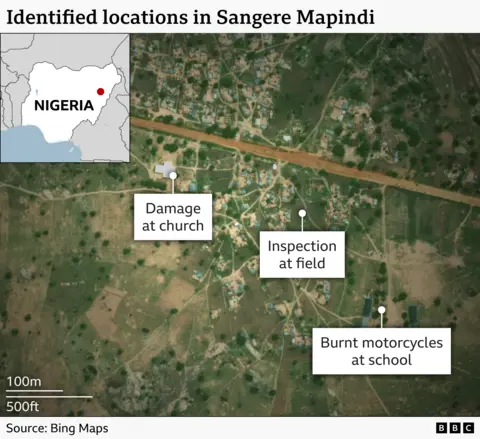
According to accounts from local Nigerian authorities, the militants executed a coordinated raid on the football pitch where residents had gathered for recreational activities. Witnesses describe how the armed attackers arrived at the scene and began firing indiscriminately at the crowd of civilians, many of whom were unarmed and unprepared for the assault. The random gunfire attack created chaos and panic among those present, with survivors describing horrific scenes of violence and desperate attempts to flee the area or find shelter from the onslaught.
Emergency response teams were dispatched to the scene following reports of the shooting, and medical personnel worked throughout the day to treat the wounded and assist in recovery efforts. The confirmed death toll of 29 individuals represents a significant tragedy for the local community, and authorities have indicated that the number of injured extends into the dozens. Hospitals in the region have been overwhelmed with casualties, stretching medical resources as healthcare workers struggle to provide care for the victims of this violent attack on civilians.

The IS attack claim comes amid an ongoing period of heightened security concerns across Nigeria, where various militant groups have conducted numerous operations targeting civilian populations and government installations. The Islamic State's explicit assumption of responsibility for this particular incident demonstrates their continued operational capability and willingness to target public gathering spaces in populated areas. Security analysts have noted that such attacks are designed to instill fear among the civilian population and challenge government authority in the affected regions.
Nigeria has been battling insurgent threats for years, with multiple groups operating across different regions of the country. The emergence of Islamic State affiliates in Nigeria has added another layer of complexity to the nation's security challenges, creating a multifaceted threat environment for both military forces and civilians. These militant organizations have demonstrated their ability to coordinate attacks, acquire weapons, and maintain operational presence despite ongoing counterinsurgency efforts by government forces.
The football pitch attack highlights the vulnerability of civilian spaces and the difficulty authorities face in protecting public areas from determined militant groups. The fact that the violence occurred at a recreational site where families and community members had gathered underscores the indiscriminate nature of these attacks. Local residents have expressed growing concern about their safety, with many questioning whether government security measures are adequate to prevent such incidents from occurring in the future.
International observers and human rights organizations have condemned the militant attack in strong terms, calling for increased support for Nigeria's security forces and improved international cooperation to combat terrorism in the region. The incident has drawn attention from diplomatic circles, with various countries expressing solidarity with Nigeria and offering technical assistance in counter-terrorism operations. The attack also reignites debate about the effectiveness of current security strategies and the need for comprehensive approaches that address both military and social dimensions of the insurgency problem.
The Islamic State's claim of responsibility represents a significant propaganda opportunity for the organization, allowing them to demonstrate operational capability and reach to their supporters worldwide. Such claims are often used to recruit new members, inspire attacks in other locations, and maintain the organization's relevance in the global jihadi landscape. Analysts monitoring the group's communications have noted patterns in how these claims are typically issued and the messaging tactics employed to maximize impact.
Investigations into the attack are ongoing, with authorities working to identify the perpetrators, gather forensic evidence, and determine whether additional suspects remain at large. The intelligence community is analyzing communications and surveillance data to understand how the attack was planned and executed. Security forces have increased patrols in the affected area and implemented additional protective measures to prevent future incidents.
The tragedy has profound implications for the affected community, with families grieving lost loved ones and survivors dealing with both physical injuries and psychological trauma. Local leaders are calling for enhanced security measures and greater investment in protecting civilian areas from militant threats. The attack underscores the ongoing struggle Nigeria faces in maintaining public safety and security amid persistent terrorist threats from various militant organizations operating within its borders.
Source: BBC News


