
IS-Linked Families Return to Australia from Syria

Nine women and children arrive in Melbourne as part of repatriation efforts, with additional family members expected in Sydney. Details on the controversial return.
A significant repatriation effort has brought Islamic State-linked families back to Australian soil, with a group of nine women and children landing in Melbourne this week. The arrival marks a notable development in the ongoing debate surrounding the return of families with ISIS affiliations to Western nations. Australian authorities have confirmed that another woman and her child are expected to arrive in Sydney in the coming days, further expanding the scope of this family repatriation program from conflict zones in Syria.
The return of these individuals represents a complex intersection of humanitarian concerns, national security considerations, and legal obligations facing the Australian government. Families with connections to extremist organizations have long presented a challenging policy question for democratic nations, forcing officials to balance compassion for vulnerable populations—particularly children born in conflict zones—with legitimate security assessments and community safety measures. The arrival of these families has reignited discussions about how Australia should handle citizens and their dependents who were involved with or affected by Islamic State activities in the Middle East.
Australian immigration and security officials have been working to process and assess each individual case as part of a broader repatriation strategy for Australians and their families stranded or detained in Syria and Iraq. The program reflects growing international recognition that keeping families in detention camps or conflict zones poses significant humanitarian challenges, particularly for children who had no agency in their parents' decisions or affiliations. Government agencies have implemented thorough security screening protocols to ensure that the return of these individuals does not pose unacceptable risks to the Australian community.
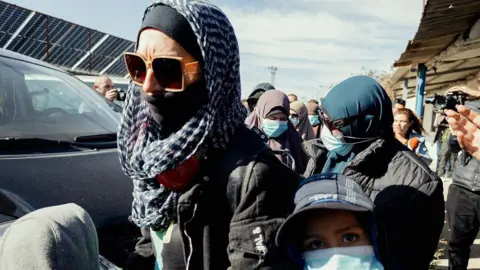
The repatriation process has been subject to considerable scrutiny from both political parties and community groups across the spectrum. Some argue that bringing back individuals with ISIS connections creates potential security vulnerabilities and sends a problematic message about accountability for extremism. Others contend that humanitarian principles demand the return of women and children, many of whom are Australian citizens or have family ties to Australia, particularly those born during the conflict who had no choice in the circumstances of their birth.
Over the past several years, numerous countries have grappled with similar decisions regarding the fate of their nationals who traveled to Syria and Iraq to support or participate in Islamic State activities. Australia has adopted a cautious but measured approach, prioritizing the return of vulnerable populations such as young children while subjecting adult returnees to intensive security vetting. The Melbourne and Sydney arrivals represent the continuation of this carefully managed repatriation initiative that has been implemented with input from national security agencies.
The welfare and integration of these returning families pose additional challenges for Australian authorities and social services. Establishing appropriate support systems, mental health services, and community reintegration programs for individuals, particularly children, who have experienced years in conflict zones or detention camps requires coordinated effort across multiple government departments. Schools, community organizations, and healthcare providers may need to be prepared to work with these families as they attempt to rebuild their lives in Australia.
The security screening of returning individuals has been described as exhaustive, involving multiple intelligence agencies and drawing on information from international partners and coalition forces operating in Syria and Iraq. Each case is assessed individually to determine the level of involvement with extremist organizations, current risk assessment, and appropriate conditions for integration back into society. Some returnees may face ongoing monitoring, restrictions on movement, or other conditions designed to mitigate potential security concerns while respecting legal rights and proportionality principles.
Children constitute a significant portion of those being repatriated, and their situation presents particular humanitarian and legal considerations. Many Australian-born children in these families have spent formative years in conflict zones, refugee camps, or detention facilities, experiencing trauma and deprivation that will require long-term support. The Australian government recognizes obligations under international conventions protecting children's rights and welfare, even when those children's parents were affiliated with designated terrorist organizations. Educational, psychological, and medical interventions will likely be necessary to help these young people adjust to life back in Australia.
The return of these families has prompted broader conversations about the root causes of radicalization, deradicalization programs, and community responsibility for integration efforts. Some experts suggest that successful rehabilitation and reintegration of returning families depends partly on how the broader Australian community responds, emphasizing the importance of avoiding stigmatization while maintaining appropriate security vigilance. The balance between social inclusion and security measures remains a central tension in managing the repatriation process.
Federal and state authorities in Australia are coordinating efforts to ensure that arriving individuals are processed through appropriate channels, with health and security assessments completed before community placement. Temporary accommodation has been arranged for some families as they complete initial screening and documentation procedures. The coordination between different levels of government and various agencies reflects the complexity of managing these repatriations in a way that addresses humanitarian needs while maintaining security standards.
The broader international context for these repatriations includes ongoing efforts by multiple Western nations to bring home citizens from Syria and Iraq who were affected by the Islamic State conflict. The United States, United Kingdom, France, Germany, and other countries have implemented similar programs with varying approaches and timelines. Australia's measured approach represents one model among several for addressing the substantial question of what democracies owe to their citizens caught up in extremist movements and conflict zones.
Looking forward, the successful integration of these returning families will likely influence public and political perspectives on future repatriation efforts. If reintegration proceeds smoothly with appropriate support systems and security measures in place, it may establish a precedent for handling similar cases. Conversely, any security incidents or integration challenges could impact public support for continued repatriation efforts. The outcomes of the Melbourne and Sydney arrivals will be closely monitored by policymakers, security agencies, and advocacy groups with interest in this complex humanitarian and security issue affecting Australia and the broader international community.
Source: BBC News


