
IS-Linked Family Members Arrive in Australia Amid Arrest Plans

A group of 11 women and children detained in Syrian camps for over seven years have landed in Melbourne. Australian authorities prepare potential terrorism and slavery charges.
In a significant development regarding the repatriation of Islamic State-linked family members, a group of 11 women and children have touched down in Melbourne after enduring more than seven years of detention in Syrian detention camps. The arrival marks the first plane carrying such individuals to return to Australian soil, signaling a major shift in the country's approach to handling citizens and residents with connections to the extremist organization that once controlled vast territories across the Middle East.
The passengers, who numbered 13 in total during their departure from Syria on Wednesday, represent a complex legal and humanitarian situation that has drawn significant attention from government officials, law enforcement, and civil rights organizations alike. The Australian federal police have indicated that certain adults among the arrivals may face serious criminal charges, including offences related to terrorism and slavery, reflecting the gravity of the allegations surrounding their time in areas controlled by or affiliated with the Islamic State.
The detentions in Syrian camps have been a source of ongoing international debate, with various nations grappling with how to handle their nationals who fled to join extremist groups or found themselves trapped in conflict zones. Many of the women and children in these camps have been separated from their families for years, facing harsh conditions and uncertain futures. The repatriation process represents an attempt to address this humanitarian crisis while simultaneously ensuring that those who may have committed serious crimes are held accountable under Australian law.
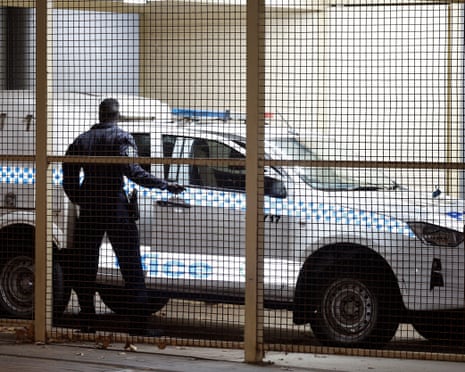
Officials from the Australian federal police are expected to provide a comprehensive update and briefing on Thursday regarding the specifics of the case and any formal charges that may be filed. This announcement will likely include details about the investigation process, the evidence gathered against the individuals, and the legal framework under which they will be prosecuted. The update is anticipated to clarify the timeline for potential court proceedings and the charges each individual may face.
The situation encompasses a range of serious allegations, with terrorism charges representing one of the most significant potential legal consequences for the adults in the group. Such charges typically relate to involvement with terrorist organizations, provision of material support, or participation in activities designated as terrorism under Australian law. Additionally, some individuals may face charges related to slavery and human trafficking, crimes that carry substantial prison sentences and reflect the exploitative nature of conditions within extremist-controlled territories.
The repatriation of these individuals comes at a time when Australia has been increasingly scrutinized for its approach to handling citizens with extremist connections. Advocacy groups and international observers have pushed for the country to take responsibility for its nationals, particularly children who were brought to conflict zones by their parents and had no choice in the matter. The arrival of this first group suggests that policymakers may be shifting toward a more active role in addressing this issue, balancing security concerns with humanitarian considerations.

The women and children involved in this repatriation have endured extraordinarily difficult circumstances during their years in Syrian detention camps. Many of the children were born in or spent formative years in conflict zones, with limited access to education, healthcare, and basic necessities. The camps themselves have been documented as overcrowded and unsanitary, with international observers expressing deep concern about conditions and the long-term psychological impact on residents.
From a legal standpoint, the cases present unprecedented challenges for the Australian justice system. Prosecutors will need to establish culpability and intent for individuals whose involvement with extremist organizations may have varied significantly. Some adults may have actively participated in Islamic State activities, while others may have been coerced or found themselves in circumstances beyond their control. These distinctions will likely play a crucial role in determining the specific charges and potential sentences for each individual.
The arrival also raises important questions about rehabilitation and reintegration for those who may ultimately avoid conviction or who complete their sentences. The psychological trauma experienced by children in these camps requires specialized support and intervention. Mental health professionals, educators, and social workers will need to develop comprehensive programs to help these individuals adjust to life in Australia and rebuild their lives after years of displacement and uncertainty.

International diplomatic efforts have played a substantial role in facilitating this repatriation. Negotiations between Australian authorities and Syrian officials, along with coordination with other governments and international organizations, have been necessary to arrange the safe passage of these individuals. The process underscores the complexities of addressing issues that cross national borders and involve multiple jurisdictions and legal systems.
The broader context of IS-linked family members returning to their home countries reflects a global challenge that extends far beyond Australia. Many nations are wrestling with similar situations, attempting to balance security imperatives with international humanitarian law and the rights of individuals, particularly children, who had limited agency in their circumstances. Some countries have been more proactive in repatriating their nationals, while others have maintained more restrictive policies, creating disparities in how different nations address this issue.
The charges that may be filed represent the Australian legal system's attempt to hold individuals accountable while acknowledging the complex nature of extremism and coercion. The criminal justice process will need to carefully examine the evidence and circumstances surrounding each person's involvement with extremist organizations. This case will likely set important precedents for how Australia handles similar situations in the future, influencing policy and legal frameworks for years to come.
As the investigation and legal proceedings move forward, the families involved will face profound challenges in rebuilding their lives and navigating the Australian criminal justice system. The outcomes of these cases will be closely monitored by policymakers, advocacy organizations, and the international community, as they will inevitably influence how other nations approach similar repatriations. The situation exemplifies the ongoing struggle to balance security, accountability, humanitarian concerns, and justice in an increasingly complex geopolitical landscape.


