
Island Wildfire Scorches 10,000 Acres in California

A major wildfire on Santa Rosa Island in Channel Islands National Park has become California's largest of the year, threatening rare plant species and historic structures.
A devastating wildfire on Santa Rosa Island in the Channel Islands National Park has rapidly escalated into California's largest wildfire of the current year, consuming more than 10,000 acres of pristine island terrain. The massive blaze, which ignited on Friday, has become a critical threat to the delicate ecosystem that conservationists have spent years carefully restoring and protecting from development and natural disasters.
The Santa Rosa Island fire originated from a distress flare allegedly discharged by a sailor in the vicinity, according to preliminary investigations. This accidental ignition serves as a stark reminder of how quickly unintended actions can spiral into catastrophic environmental emergencies, particularly in sensitive ecological zones where vegetation is highly susceptible to rapid fire spread. The incident has raised questions about emergency protocols and the responsibilities of maritime personnel operating near protected national park lands.
Approximately 70 firefighters have been mobilized to combat the escalating blaze, working under extremely challenging conditions as strong winds continue to drive the fire across the island's landscape. Despite their intensive efforts and professional expertise, the fire has remained virtually impossible to contain, with containment efforts stalled at 0% according to official Cal Fire incident reports. The personnel on the ground face treacherous terrain, unpredictable wind patterns, and the inherent difficulties of fighting fires in an isolated island environment where resources are limited.

The Channel Islands National Park fire poses an unprecedented threat to the island's unique and irreplaceable plant communities. Santa Rosa Island is home to numerous rare and endemic plant species that exist nowhere else on Earth, having evolved in isolation over thousands of years. These botanical treasures, which include several endangered varieties, face potential extinction if the rapidly advancing flames reach their habitats. Conservation organizations have expressed grave concerns about the ecological ramifications of allowing the fire to continue unchecked.
Historic structures scattered across Santa Rosa Island have already suffered damage and destruction as the wildfire spreads across the landscape. These buildings represent important cultural heritage and archaeological significance, documenting human presence and activity on the island dating back centuries. The loss of these structures would eliminate irreplaceable historical records and landmarks that cannot be reconstructed or recovered once consumed by flames. Emergency crews have prioritized protection of the most historically significant sites where feasible.
Conservation efforts undertaken over the past several decades to restore native plant communities and remove invasive species are now at serious risk. Environmental scientists and park management had implemented extensive restoration programs, carefully cultivating rare plant populations and creating conditions for their natural reproduction and spread. Years of dedicated conservation work could potentially be undone in a matter of days if the fire crosses into the restored habitat zones. The ecological setback would be catastrophic for biodiversity preservation goals.
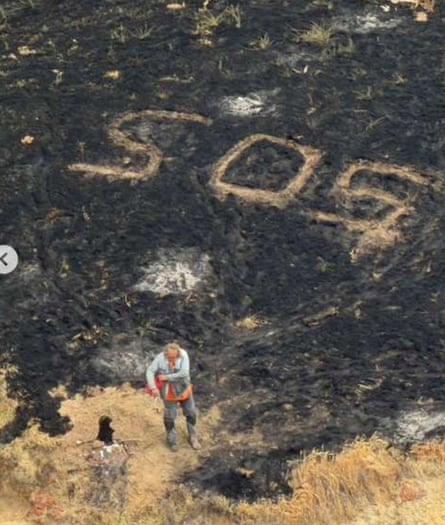
Weather conditions continue to complicate firefighting operations, with sustained wind patterns pushing the flames toward previously unburned areas of the island. Meteorologists predict that current atmospheric conditions may persist for several more days, potentially allowing the fire to expand even further before conditions improve. The combination of dry vegetation, high temperatures, and strong winds creates ideal conditions for rapid fire propagation and makes containment strategies increasingly difficult to implement effectively.
Cal Fire officials have established incident command operations and coordinated with National Park Service personnel to develop comprehensive response strategies. Resources are being stretched across multiple fire zones throughout California, creating challenges in allocating sufficient personnel and equipment to the Santa Rosa Island fire response. The incident has become a priority given its size, ecological significance, and the difficulty of suppression operations on island terrain where helicopter access and resource delivery present constant logistical obstacles.
The investigation into the fire's origin has focused on the sailor's distress flare as the probable ignition source, though authorities continue gathering evidence and witness statements to confirm the exact circumstances. If the maritime origin is confirmed, it raises important policy questions about safety protocols for vessels operating near protected lands and the need for improved communication systems for maritime emergencies. The incident may prompt regulatory reviews regarding emergency procedures in sensitive environmental zones.
Environmental advocates have called for comprehensive assessment of fire prevention measures and emergency response capabilities for Channel Islands National Park. The incident highlights the vulnerability of isolated protected areas to catastrophic events and the need for enhanced preparedness and resource allocation. Park management is evaluating how to better protect irreplaceable ecosystems while maintaining accessibility for legitimate recreational and research activities. Future policy discussions will likely address fire management strategies and prevention protocols for island environments.
The broader implications of this California wildfire extend beyond the immediate damage assessment, raising awareness about climate change impacts on fire season intensity and duration. Scientists note that warming temperatures and extended drought conditions have created an extended fire season in Western states, with more severe conditions anticipated in coming years. The Santa Rosa Island fire represents part of a concerning trend toward larger, more destructive fires in sensitive ecological areas. Long-term planning efforts must account for these changing environmental realities and their effects on protected lands.
Recovery and restoration efforts will likely take years or even decades, depending on the final extent of damage and the resilience of affected plant communities. Conservationists are already developing strategies for post-fire restoration, including possible replanting initiatives and invasive species management in burned areas. The ecological recovery process will require sustained funding, scientific expertise, and long-term institutional commitment from government agencies and nonprofit organizations dedicated to environmental conservation. The ultimate success of recovery efforts remains uncertain and will depend on various factors beyond current control.
As the situation develops, continued monitoring and assessment will be critical for understanding the full environmental impact of the Santa Rosa Island fire. Researchers plan comprehensive ecological surveys to document changes to plant and animal communities and identify priority restoration areas. The incident will undoubtedly inform future management decisions for Channel Islands National Park and other sensitive protected areas throughout California. The lessons learned from this fire will contribute to improved fire management practices across the state and beyond.
Source: The Guardian


