
Israel and Lebanon Engage in Historic Direct Talks Amid Regional Tensions

Israel and Lebanon to hold rare direct talks, breaking years of hostility, as Israeli strikes on Lebanon leave hundreds dead, signaling escalating regional conflict.
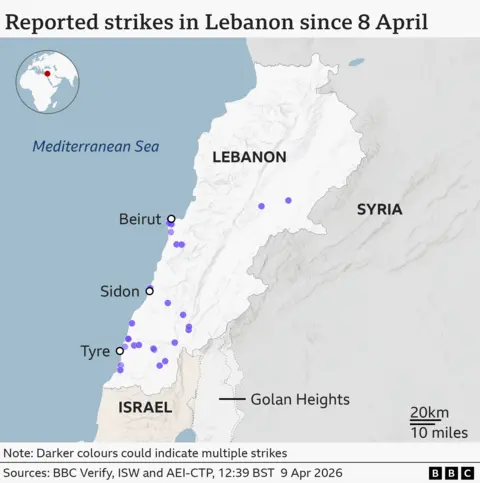
In a dramatic shift in regional diplomacy, Israel has announced plans to hold direct talks with its neighbor Lebanon, marking a significant departure from the long-standing hostility between the two countries. The announcement came after a massive wave of Israeli strikes on Lebanon on Wednesday, which left at least 303 people dead, according to health officials.
The decision to engage in direct talks represents a pivotal moment in the tumultuous relationship between the two nations, which have been locked in a state of conflict for decades. Prime Minister Benjamin Netanyahu of Israel stated that the talks would focus on resolving a longstanding maritime border dispute, a move that could have far-reaching implications for the region's energy resources and economic development.
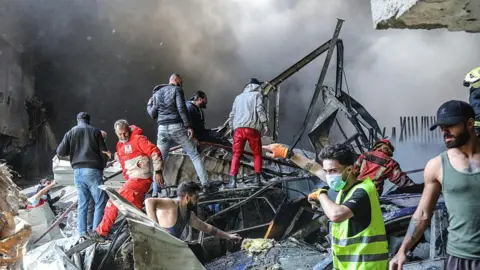
The sudden escalation of violence in Lebanon has added a sense of urgency to the upcoming negotiations. Israeli airstrikes, which were reportedly in response to rocket attacks from Lebanon, have drawn widespread international condemnation and raised concerns about the potential for further destabilization in the region.
Experts believe that the decision to engage in direct talks reflects a recognition by both sides that the ongoing conflict is ultimately unsustainable. Tensions between Israel and Lebanon have long been a source of instability in the Middle East, with the two countries engaging in periodic military confrontations and diplomatic standoffs.
The negotiations will likely be complex and challenging, as the two nations grapple with a range of thorny issues, including border demarcation, security concerns, and the status of the Hezbollah militant group, which wields significant influence in Lebanon. However, the potential rewards of a successful outcome are substantial, as it could pave the way for improved economic and political relations, as well as a reduction in the risk of future conflict.
As the world watches closely, the upcoming talks between Israel and Lebanon represent a critical juncture in the region's geopolitical landscape. The outcome of these negotiations could have far-reaching implications for the stability and prosperity of the Middle East, shaping the future of the relationship between these long-time adversaries.
Source: BBC News


