
Israel Approves Death Penalty Tribunal for October 7 Attackers

Israeli Knesset votes to establish livestreamed military court with capital punishment powers for Hamas attack suspects. Historic judicial measure draws international comparisons.
The Israeli parliament has taken a historic step by authorizing the creation of a special tribunal designed specifically to prosecute Palestinians alleged to have participated in the devastating Hamas assault of October 7, 2023. This groundbreaking judicial measure grants the military court unprecedented authority to impose capital punishment on convicted defendants, marking a significant escalation in Israel's legal response to the attack that precipitated the ongoing conflict in Gaza.
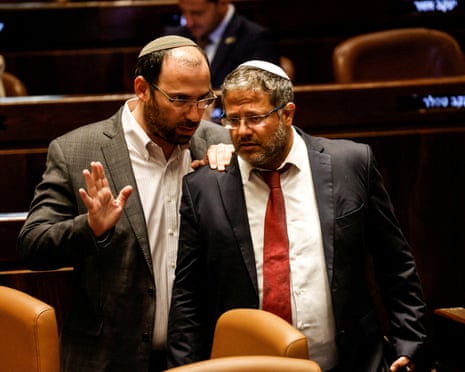
The Knesset voted overwhelmingly in favor of the proposal, with 93 lawmakers casting affirmative votes out of the 120-seat parliament. This commanding majority demonstrates the depth of consensus among Israeli legislators regarding the necessity of establishing a dedicated forum for adjudicating crimes connected to the October 7 attack. The remaining 27 members of parliament were either absent during the voting session or chose to abstain from participating in the decision, though their absence or abstention did not impede passage of the measure.
The livestreamed trials conducted within this specialized military court will represent an unprecedented level of transparency in Israel's judicial handling of terrorism-related prosecutions. By broadcasting proceedings to the public, Israeli authorities intend to ensure accountability and allow victims' families, as well as international observers, to witness justice being administered in real time. This commitment to public proceedings distinguishes the tribunal from many historical precedents in international law.
Legal scholars and international observers have drawn compelling parallels between this new tribunal and the historic 1961 trial of Adolf Eichmann in Jerusalem, which captivated global attention and set important precedents for prosecuting individuals responsible for mass atrocities. Like the Eichmann proceedings, this tribunal aims to document comprehensively the crimes perpetrated during the October 7 attack, which resulted in approximately 1,200 Israeli deaths and left hundreds more missing or held captive. The trial's internationally broadcast nature echoes the Eichmann trial's role in shaping public consciousness about accountability for grave crimes.
The October 7 attack represents the deadliest single incident in Israeli history, fundamentally altering the nation's security landscape and triggering an extensive military response. The assault involved coordinated attacks by Hamas militants and other Palestinian armed groups, resulting in widespread casualties among Israeli civilians and military personnel. The attack's scale and brutality have profoundly affected Israeli public opinion and policy decisions regarding security, justice, and military engagement.
The establishment of this death penalty tribunal reflects the intensity of public sentiment within Israel regarding accountability for those responsible for organizing and executing the October 7 assault. The overwhelming parliamentary approval suggests that punishing perpetrators of the attack enjoys bipartisan political support, with even centrist and left-leaning lawmakers supporting the measure. This broad consensus underscores how deeply the attack has affected Israeli society across the political spectrum.
The tribunal's authority to impose capital punishment represents a significant departure from Israel's general criminal justice practices, as the country has not carried out executions since 1962, when Adolf Eichmann was executed for Nazi war crimes. The reintroduction of this extreme sanction specifically for October 7-related crimes demonstrates the gravity with which Israeli leadership views these offenses and the demand for comprehensive justice from victims and their families. This decision has sparked debate among legal experts regarding the appropriateness and effectiveness of capital punishment in contemporary justice systems.
International law and human rights organizations are likely to scrutinize the tribunal's operations closely, examining whether proceedings meet accepted standards for fair trials and due process protections. The military court framework, combined with capital punishment authority, raises questions about whether defendants will receive adequate legal representation and whether their rights will be protected according to international humanitarian law standards. These considerations will be crucial in determining the tribunal's legitimacy within the global legal community.
The decision to utilize a military court rather than establishing a civilian tribunal reflects Israel's treatment of the October 7 attack as both a criminal matter and a security threat. Military courts in Israel possess specialized expertise in terrorism-related cases and operate under different procedural rules than civilian courts. This jurisdictional choice suggests that Israeli authorities view the prosecutions as fundamentally connected to ongoing security concerns and military operations in Gaza.
The livestreamed proceedings will serve multiple purposes beyond simply documenting the trials themselves. By broadcasting sessions publicly, the tribunal aims to provide transparency that strengthens legitimacy, allows global observers to assess fairness, and creates an historical record of the prosecutions. Additionally, public proceedings may serve a deterrent function and contribute to national healing by allowing affected communities to witness justice being administered in a visible and accessible manner.
The establishment of this tribunal raises complex questions about the future of justice and reconciliation in Israeli-Palestinian relations. While Israeli lawmakers have demonstrated strong support for prosecution and accountability, the tribunal's operations will occur against the backdrop of ongoing military conflict and humanitarian concerns in Gaza. The intersection of military operations and judicial proceedings creates unique challenges for maintaining international credibility and ensuring that justice processes are perceived as legitimate both domestically and globally.
As the tribunal prepares to commence operations, attention will focus on which individuals will be prosecuted, what specific charges they will face, and whether the proceedings will reveal new information about the planning and execution of the October 7 attack. The tribunal's success in meeting its mandate will likely influence future discussions about accountability for mass casualty incidents and the role of specialized courts in addressing terrorism-related crimes. The coming months and years will demonstrate whether this innovative approach to justice achieves its intended objectives while maintaining public confidence and international credibility.


