
Israel Kills Hamas Commander Behind October 7 Attack

Israeli military confirms elimination of Izz ad-Din al-Haddad, key Hamas operative blamed for planning the devastating October 7 massacre in Gaza City.
Israeli military forces have announced the successful elimination of Izz ad-Din al-Haddad, a senior Hamas commander described as one of the principal architects behind the devastating October 7 attacks. According to Israeli defense officials, al-Haddad was killed in a targeted air strike conducted in Gaza City, marking a significant development in the ongoing military operations in the region. The elimination of this high-ranking operational leader represents a major blow to the militant organization's command structure and planning capabilities.
Al-Haddad held a crucial position within Hamas's military wing and was held directly responsible for coordinating and executing key aspects of the October 7 attack, which resulted in significant casualties and destruction. Israeli intelligence agencies had been tracking the Hamas commander for an extended period, gathering comprehensive data on his movements, communications, and operational activities. The precision strike that resulted in his death demonstrates the sophistication of Israel's military intelligence gathering and targeted elimination capabilities in the conflict zone.
The October 7 massacre remains one of the most significant and devastating attacks in the region's recent history, prompting an extensive military response from Israel. The operation that killed al-Haddad is part of Israel's broader strategic campaign aimed at dismantling Hamas's operational infrastructure and eliminating key military leaders. Israeli officials have emphasized that eliminating high-level commanders like al-Haddad is essential to degrading the organization's capacity to plan and execute further attacks against Israeli targets.
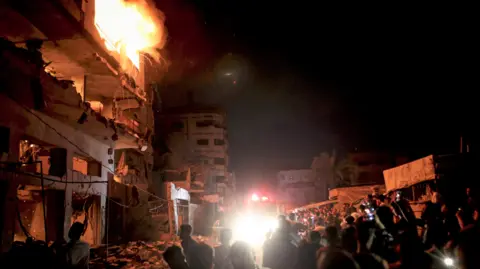
The confirmation of al-Haddad's death comes amid ongoing military tensions and operations throughout the Gaza Strip. Hamas leadership has not immediately responded to the Israeli claims, though the organization has historically confirmed or denied such announcements after conducting their own assessments. The death of al-Haddad represents another significant casualty among Hamas's operational elite, following a series of targeted strikes aimed at decapitating the organization's command hierarchy.
Israeli military spokesman and defense officials have characterized al-Haddad as a figure of particular importance within Hamas's operational planning structure. His role extended beyond mere execution of orders; he was involved in the strategic conceptualization and coordination of major military operations. The loss of such a senior operational figure is expected to have substantial ramifications for Hamas's ability to maintain coordination among its various military units and planning cells.
The air strike that killed al-Haddad exemplifies the ongoing Gaza conflict dynamics, where Israeli forces conduct precision operations targeting high-value military objectives. The location of the strike in Gaza City, the largest population center in the territory, underscores the complexity of military operations in densely populated urban environments. Israeli military commanders have consistently emphasized their efforts to minimize civilian casualties while pursuing strategic military objectives against Hamas targets.
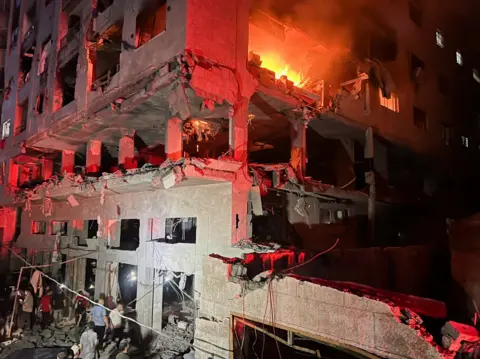
International observers and military analysts have noted that the elimination of senior Hamas commanders represents a critical component of Israel's broader strategic approach. The targeting of figures like al-Haddad is intended to disrupt the organization's operational planning, reduce its ability to coordinate complex military operations, and degrade the institutional knowledge within its military structures. Each successful elimination of a senior commander creates organizational challenges and operational disruptions that can persist for extended periods.
Al-Haddad's death adds to a growing list of senior Hamas military leaders who have been eliminated during recent military operations. The cumulative effect of these losses is expected to impact the organization's ability to maintain its operational effectiveness and execute coordinated military campaigns. Intelligence analysts suggest that the loss of experienced commanders like al-Haddad, who possessed extensive knowledge of operational procedures and strategic planning, represents irreplaceable institutional damage to the militant organization.
The military operation that resulted in al-Haddad's elimination reflects the continued intensity of the conflict and Israel's determination to pursue targets it deems critical to national security. Israeli officials have stated that such operations will continue as long as security threats persist and Hamas maintains its military infrastructure. The strike demonstrates the ongoing relevance of targeted operations as a component of Israel's broader security strategy in the region.
Hamas, designated as a terrorist organization by multiple Western nations and Israel, has maintained an extensive military wing responsible for planning and executing attacks against Israeli targets. The organization has historically absorbed significant losses of senior personnel while continuing to maintain its operational capabilities through succession planning and training of replacement commanders. However, the cumulative effect of multiple senior leader eliminations can strain these succession mechanisms and reduce overall operational effectiveness.
The confirmation of al-Haddad's death comes at a time of heightened scrutiny of military operations and their consequences for civilian populations. Human rights organizations and international bodies have called for investigations into the conduct of military operations, while Israeli officials defend their targeting methodologies as compliant with international law and humanitarian principles. The balance between military necessity and civilian protection remains a central point of contention in ongoing international discussions regarding the conflict.
Looking forward, the death of al-Haddad is expected to influence the tactical and strategic calculations of Hamas leadership regarding future operations and organizational restructuring. The loss of experienced commanders may result in a temporary reduction in the organization's operational capacity, though long-term effects depend on the depth of Hamas's reserve leadership and its ability to effectively transition command responsibilities. Military analysts will continue to monitor how the organization adapts to the loss of this significant figure within its command structure.
The Israeli military's announcement of al-Haddad's death demonstrates the ongoing commitment to pursuing what it characterizes as key security objectives within the Gaza Strip. Israeli officials emphasize that such operations are necessary to protect civilian populations and prevent future attacks. The targeting and elimination of senior Hamas commanders remains a central element of Israel's approach to managing long-term security challenges in the region, with military planners anticipating the need for sustained operations against the organization's remaining leadership and infrastructure.
Source: BBC News


