
Israeli Strike Kills Three Rescue Workers in Lebanon

Three rescue workers were killed in successive Israeli airstrikes in Lebanon on Tuesday, raising humanitarian concerns. Five people total reportedly died in the attacks.
A tragic incident unfolded in Lebanon on Tuesday as three rescue workers were killed during what officials describe as successive Israeli airstrikes in what is commonly referred to as a 'double-tap' strike operation. The coordinated attacks, which targeted the same location in rapid succession, resulted in the deaths of emergency responders who were attempting to assist victims from the initial strike. This devastating sequence of events has drawn significant international attention and raised serious concerns about civilian casualties and the safety of humanitarian workers operating in conflict zones.
According to statements from Lebanese officials and humanitarian organizations, the Israeli double-tap strikes represent a particularly concerning tactical approach where a secondary attack is launched shortly after an initial strike, often targeting rescue personnel and first responders. The strategy, which aims to maximize casualties and inflict additional harm on those attempting to provide emergency assistance, has become increasingly controversial under international humanitarian law. These attacks have sparked renewed debate about the legality and ethical implications of such military operations in civilian areas.
The attack on Tuesday claimed the lives of emergency medical personnel who were courageously responding to the initial strike zone. These individuals, who dedicate their lives to saving others, found themselves caught in the crossfire of the escalating military operations. Their deaths underscore the dangerous reality faced by humanitarian workers and rescue personnel operating in active conflict regions, where their efforts to provide life-saving assistance have become increasingly perilous.
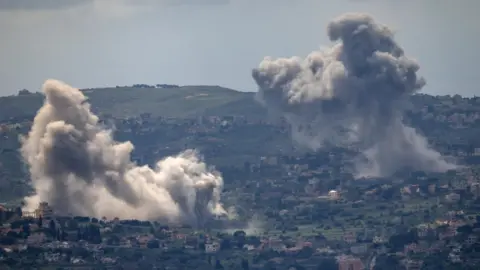
In total, five people were killed in the successive attacks on Tuesday, according to officials familiar with the situation. The broader context of these strikes reflects the ongoing tensions and military operations in the region, which have escalated significantly in recent months. The deaths of these individuals have prompted calls from humanitarian organizations and international bodies for greater protections for rescue workers and medical personnel in conflict areas.
The Lebanese government and humanitarian organizations have condemned the strikes, emphasizing the vulnerability of civilian populations and those attempting to provide essential services during times of conflict. International humanitarian law explicitly recognizes the protected status of medical personnel and ambulances, yet incidents like these suggest that such protections remain inadequate in practice. The international community has expressed deep concern about the pattern of attacks that appears to target rescue operations.
This incident contributes to a growing pattern of concerns regarding the safety of emergency responders in the region. Medical teams and rescue personnel face unprecedented risks as they navigate the dangerous landscape of active military operations. The targeting of rescue workers, whether intentional or collateral, remains a significant violation of humanitarian principles and international law that govern armed conflicts.
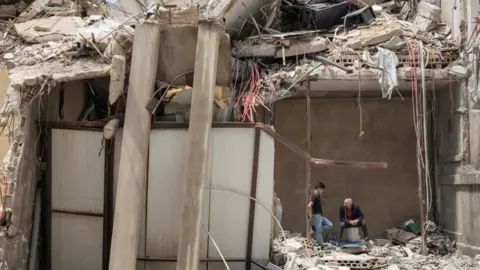
The double-tap strike methodology has been extensively documented by human rights organizations and journalists covering conflicts in various regions. These attacks are designed to maximize harm not only to the initial target but also to those responding to emergencies in the affected area. The tactic raises fundamental questions about adherence to international conventions protecting non-combatants and those engaged in rescue and medical operations.
The implications of these strikes extend beyond the immediate loss of life, affecting the broader capacity of humanitarian organizations to operate effectively in Lebanon. When rescue workers fear that responding to emergencies will put them directly in harm's way, it creates a chilling effect on humanitarian assistance. This reality has profound consequences for civilian populations who depend on these services during periods of conflict and instability.
Medical personnel and rescue workers in conflict zones operate under extraordinary pressure, knowing that their chosen profession puts them at increased risk. The deaths of these three individuals serve as a stark reminder of the sacrifices made by those committed to saving lives despite the dangers surrounding them. Their memory highlights the urgent need for renewed commitment to international humanitarian principles and stronger protections for all emergency responders.
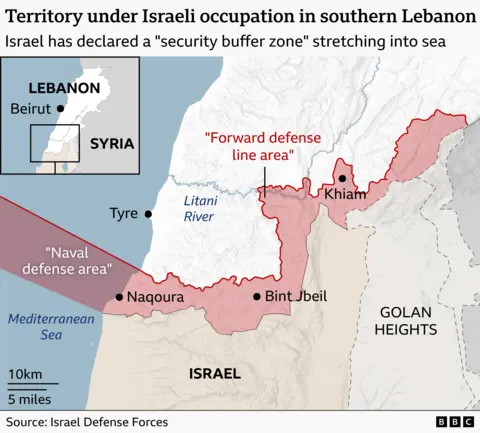
As investigations continue into the circumstances surrounding the Tuesday strikes, international observers are closely monitoring developments and calling for accountability. Various human rights organizations have initiated documentation of the incident as part of broader efforts to establish records of potential violations of international law. The evidence gathered from such incidents contributes to ongoing discussions about military conduct and civilian protection in armed conflicts.
The broader regional situation demonstrates the critical need for diplomatic solutions and de-escalation efforts. As military operations continue in the area, the humanitarian toll continues to rise, affecting not only combatants but innocent civilians and those dedicated to providing emergency assistance. The deaths of rescue workers particularly underscore how conflict extends its devastating reach to the most vulnerable populations and those attempting to help them.
Going forward, there are increased calls from international bodies for comprehensive investigations into the circumstances of such strikes and for meaningful steps to prevent similar incidents. The protection of humanitarian workers must remain a priority for all parties involved in conflicts, and adherence to international humanitarian law is essential for minimizing civilian suffering. The tragic events of Tuesday serve as a powerful reminder of the urgent need for peace, stability, and renewed commitment to human rights protections in the region and beyond.
Source: BBC News


