
Israeli Strikes Kill 10 in Lebanon, Including Two Paramedics

Lebanon reports 10 deaths from Israeli military strikes, including two paramedics on a rescue mission in Nabatieh following earlier attacks in the region.
Lebanon's health ministry confirmed on Monday that at least 10 people have been killed in Israeli strikes targeting the country, with two of the fatalities identified as paramedics who were actively engaged in emergency rescue operations. The tragic incident underscores the escalating humanitarian toll of the ongoing military conflict in the region, as medical personnel attempting to save lives became casualties themselves during their critical work.
According to official statements from Lebanon's health authorities, the two paramedics were dispatched to the southern Lebanese town of Nabatieh as part of an emergency response team. Their mission was to provide immediate medical assistance and conduct rescue operations following an earlier military attack that had already claimed one life in the area. The paramedics were working under extremely dangerous conditions, attempting to reach civilians and provide emergency medical care despite the volatile security situation.
The casualty figures released by Lebanon's health ministry represent a significant escalation in the violence affecting civilian populations across the country. The Nabatieh strikes represent part of a broader pattern of military operations that have increasingly impacted non-combatants, including healthcare workers who are attempting to fulfill their humanitarian duties. Medical personnel working in conflict zones face extraordinary risks as they navigate between active combat areas to assist injured and displaced civilians.
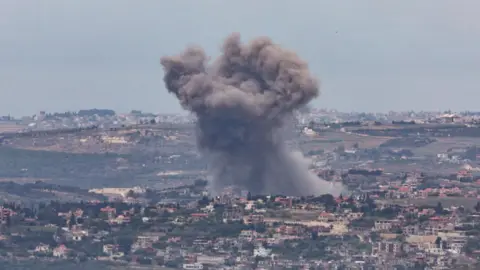
The Lebanese health ministry has been documenting the human cost of the military operations, tracking casualties across multiple regions and maintaining records of those killed and wounded. Healthcare systems in the affected areas are already overwhelmed by the influx of injured civilians, placing additional strain on medical infrastructure and personnel. The loss of the two paramedics further reduces the already limited capacity of emergency medical services to respond to new emergencies and assist vulnerable populations.
The attack on the rescue mission occurred in southern Lebanon, an area that has experienced repeated incidents of military violence and civilian casualties. The geographical focus of these operations has raised concerns among international humanitarian organizations about the protection of civilian populations and critical infrastructure. Nabatieh and surrounding communities in the region have become particularly vulnerable to military operations, leading to mass displacement and humanitarian challenges.
Eyewitness accounts from the area describe scenes of devastation following the Israeli military operations, with destroyed buildings, damaged infrastructure, and widespread destruction affecting residential areas. Local residents have reported hearing loud explosions and witnessing significant military activity throughout the region. The psychological impact on survivors and displaced persons adds to the broader humanitarian crisis unfolding in Lebanon.
The casualty count of 10 deaths marks one of the deadliest incidents in the recent escalation of military operations targeting Lebanese territory. International humanitarian organizations have called for immediate investigations into the attacks and renewed appeals for protection of civilian populations and medical personnel. The United Nations and various human rights groups have expressed concern about the targeting of non-combatants and the violation of international humanitarian law protections for emergency responders.
Medical professionals working in conflict zones operate under the Geneva Conventions, which provide specific protections for healthcare workers and ambulances engaged in emergency response activities. However, these international legal protections have frequently been inadequate in preventing casualties among paramedics and doctors attempting to provide lifesaving care. The death of the two paramedics raises questions about compliance with international laws governing armed conflict and the protection of medical personnel.
Lebanon's health system has been severely strained by the ongoing conflict, with hospitals operating at reduced capacity due to limited resources, fuel shortages, and security concerns. The loss of paramedics represents a direct reduction in the country's already limited emergency medical response capabilities. Healthcare workers remaining on duty face difficult decisions about continuing their life-saving work while facing grave personal security risks.
Regional tensions have intensified over recent months, with military conflicts creating a humanitarian crisis affecting thousands of civilians across Lebanese communities. The targeting of rescue personnel reflects the dangerous environment in which humanitarian workers must operate. International calls for ceasefire negotiations and peaceful resolution of disputes have become increasingly urgent as civilian casualties continue to mount.
The incident involving the paramedics serves as a stark reminder of the human costs associated with armed conflict, particularly for those dedicated to saving lives during emergencies. Their sacrifice highlights the exceptional bravery required of medical personnel who continue their essential work despite extraordinary danger. The deaths in Nabatieh represent not only individual tragedies but also a significant loss for Lebanon's already overburdened healthcare system and emergency response infrastructure.
As investigations continue into the circumstances surrounding the attacks and casualties, international pressure is mounting for accountability and adherence to international humanitarian law. The protection of paramedics and healthcare workers must be a priority in any future peace negotiations or ceasefire agreements. The global medical community has expressed solidarity with Lebanon's healthcare workers and called for strengthened protections for emergency responders operating in conflict zones.
The broader implications of these attacks extend beyond the immediate casualties, affecting the morale and operational capacity of Lebanon's entire emergency medical response system. Other healthcare workers and paramedics face increased psychological stress and concern for their own safety. The incident underscores the necessity for international intervention to protect civilian infrastructure and humanitarian workers operating in dangerous environments.
Source: BBC News


