
Israeli Strikes Kill 12 in Southern Lebanon

Israeli military operations in southern Lebanon result in deaths of 12 people including children. Seven vehicles targeted in separate attacks south of Beirut.
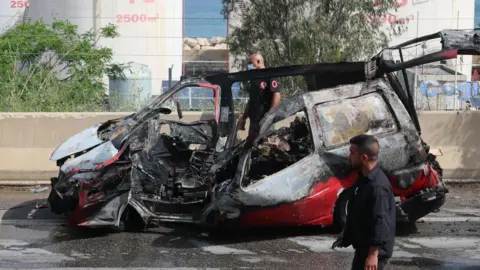
A series of Israeli strikes targeting vehicles in southern Lebanon have resulted in the deaths of at least 12 people, according to reports from the Lebanese health ministry. The casualties include two children among those killed in the separate attacks that occurred in the region south of Beirut, marking a significant escalation in regional tensions. The military operations focused on seven cars that were struck in coordinated fashion across different locations, raising concerns about civilian safety in the area.
The attacks in Lebanon represent a continuation of cross-border military activities that have characterized recent weeks in the Middle Eastern region. Local health authorities worked throughout the day to provide accurate casualty figures as rescue teams conducted operations at multiple attack sites. The targeting of civilian vehicles has drawn immediate attention from international observers monitoring the volatile situation in the Levant, where tensions between neighboring nations continue to escalate.
Lebanese officials have confirmed that the seven cars were struck in what appears to be a coordinated military operation. The health ministry emphasized the civilian nature of those affected, noting the presence of women and children among the victims. Emergency response teams were dispatched to each location to assist the wounded and transport casualties to nearby medical facilities for treatment.
The incident has occurred against the backdrop of heightened regional instability, with military activities continuing in the border areas between Israel and Lebanon. International diplomatic channels have been active as concerns grow about potential further escalations. The Lebanese government has called for international intervention and mediation to prevent additional loss of civilian life.
Witnesses to the attacks described chaotic scenes as emergency services arrived at multiple locations simultaneously. The targeting of vehicles traveling on civilian roads has raised questions about targeting procedures and the protection of non-combatants. Medical personnel at hospitals in the region reported receiving multiple casualties from the strikes throughout the afternoon hours.
The death toll, as confirmed by the Lebanese health ministry, underscores the human cost of ongoing military operations in the area. Regional analysts have noted that incidents such as these typically increase tensions and can lead to retaliatory actions, potentially widening the scope of conflict. The presence of child victims has particularly resonated with humanitarian organizations operating in the region.
International organizations focused on human rights and civilian protection have called for investigations into the circumstances surrounding the attacks. Questions have been raised about the legality and proportionality of targeting moving vehicles in civilian areas. The military strikes have reignited debates about the application of international humanitarian law in conflict zones.
The Lebanese medical infrastructure has been stretched by the need to treat casualties from multiple attack sites. Hospitals throughout southern Lebanon and the Beirut area have mobilized additional staff and resources to handle the influx of injured patients. Medical officials have reported treating victims with severe injuries requiring immediate surgical intervention.
This incident comes at a time of already elevated tensions in the region, with previous military exchanges having occurred in recent months. The southern Lebanon area has been a focal point of cross-border tensions, with civilian populations caught in the middle of military activities. Regional security analysts have warned that such incidents can quickly escalate if not carefully managed through diplomatic channels.
The targeting of seven separate vehicles suggests a deliberate operation rather than random bombardment, according to military analysts examining the incident. Each strike was reportedly precise, hitting individual vehicles at different locations within a concentrated geographic area. This pattern has led some observers to speculate about the intended targets and the intelligence used to direct the strikes.
Lebanese officials have emphasized that those killed appear to have been civilians traveling on ordinary roads rather than military targets. The vehicles struck included cars carrying families, suggesting that civilian populations were present at the time of the attacks. Identification of victims has been ongoing as family members seek confirmation of their loved ones' whereabouts and status.
The incident has prompted calls for renewed ceasefire negotiations and international engagement to de-escalate tensions in the region. Diplomatic representatives from various nations have expressed concern about the potential for further military exchanges. The Lebanese government has filed formal complaints with international bodies regarding the strikes and the loss of civilian life.
Regional stability remains uncertain as both sides assess the situation and consider potential responses. Military analysts have noted that Israeli strikes such as these often precede a period of heightened alert and potential retaliatory action. The civilian death toll has complicated the situation by bringing humanitarian concerns to the forefront of discussions about the conflict.
The broader context of Middle Eastern geopolitics continues to influence the situation, with multiple regional and international powers monitoring developments closely. Lebanon's own internal challenges, combined with external security threats, have created a complex environment for both civilian protection and military operations. The southern Lebanon region, in particular, has experienced repeated cycles of conflict and relative calm over many years.
As investigations into the attacks proceed, questions remain about the specific circumstances that led to the targeting of these seven vehicles. The Lebanese health ministry continues to update casualty figures as additional information becomes available. The international community watches closely as the situation develops and considers the implications for regional peace and security.
Source: BBC News


