
Israeli Strikes Kill 13 in Southern Lebanon Amid Ceasefire

Four women and a child among casualties as Israeli military operations continue in southern Lebanon despite ongoing ceasefire negotiations with Hezbollah.
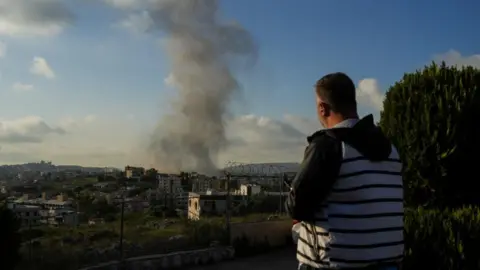
The death toll from Israeli airstrikes targeting southern Lebanon has reached thirteen individuals, according to official statements released by the Lebanese health ministry on Wednesday. Among those killed in the strikes are four women and one child, highlighting the civilian impact of the ongoing military operations in the region. The casualties underscore the humanitarian toll of the escalating conflict between Israeli forces and Hezbollah, the Iran-backed militant organization that maintains a significant presence in southern Lebanon.
The strikes represent a continuation of military hostilities that have persisted despite previous ceasefire agreements and international diplomatic efforts aimed at de-escalating tensions in the volatile region. The Israeli military operations have intensified over recent weeks, with southern Lebanon bearing the brunt of the aerial bombardments. These latest fatalities add to the mounting casualties that have characterized the conflict, raising concerns among humanitarian organizations about the protection of civilian populations caught in the crossfire.
International observers and regional analysts have expressed growing alarm over the apparent breakdown of ceasefire protocols that were initially intended to halt military operations and create space for peace negotiations. The continued strikes suggest that both parties remain engaged in active combat operations, despite public commitments to reduce hostilities. The involvement of civilian casualties, particularly women and children, has drawn criticism from humanitarian groups monitoring the situation in Lebanon.
The southern Lebanon conflict represents one of the most significant military confrontations in the region in recent years, with roots extending deep into the broader geopolitical tensions between Israel and Iran-backed resistance movements. Hezbollah, which operates as both a political party and armed militia, has maintained a military presence in southern Lebanon for decades, leading to repeated cycles of conflict with Israeli forces. The organization's Iranian backing adds another layer of complexity to the situation, as any major escalation has potential implications for broader Middle Eastern stability.
Lebanese health authorities have been documenting the mounting toll of these military operations, with medical facilities in affected areas reporting being overwhelmed by the influx of casualties. The infrastructure in southern Lebanon, already strained by years of conflict and economic hardship, faces additional pressure from the need to treat wounded civilians and manage the humanitarian crisis unfolding in the region. Medical professionals have reported difficulties in accessing certain areas due to ongoing military operations.
The loss of civilian lives, particularly vulnerable populations including women and children, raises serious questions about the adherence to international humanitarian law by all parties involved in the conflict. International conventions govern the conduct of military operations, with specific protections mandated for civilian populations and non-combatants. Human rights organizations have called for independent investigations into the strikes to determine whether proper precautions were taken to minimize civilian casualties.
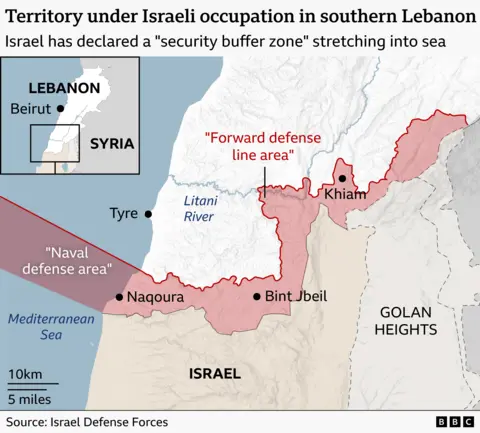
The ceasefire negotiations that have been ongoing through various international mediators, including efforts by the United Nations and neighboring countries, appear to have made limited progress in preventing continued military engagements. Diplomatic sources suggest that fundamental disagreements between Israeli leadership and Hezbollah regarding the terms of any durable peace settlement remain significant obstacles to achieving lasting stability. The continuation of strikes despite ceasefire talks indicates the deep entrenchment of both parties' positions.
Regional governments and international powers have increasingly called for immediate action to prevent further escalation and loss of life. Countries including the United States, France, and Gulf nations have engaged in diplomatic efforts to broker a resolution to the conflict. However, the persistence of military operations despite these diplomatic initiatives suggests that military considerations continue to drive the actions of both Israeli forces and Hezbollah.
The humanitarian situation in southern Lebanon continues to deteriorate as displacement increases and essential services become disrupted by ongoing violence. Civilians in affected areas face difficult choices between remaining in their homes amid active combat or attempting to flee to safer areas, often with limited resources and uncertain destinations. International humanitarian organizations have begun documenting displacement figures and assessing the scale of humanitarian needs in the region.
The deaths reported by the Lebanese health ministry represent only the most recent casualties in a conflict that has seen periodic escalations over many years. Historical patterns suggest that without significant diplomatic breakthroughs or external pressure, Israeli-Hezbollah clashes may continue or intensify further. The international community watches closely as the situation develops, with concerns about potential regional spillover effects if tensions escalate beyond current levels.
Witnesses from affected communities have provided accounts of the intensity of the strikes, describing explosions that damaged homes, infrastructure, and essential facilities. The psychological impact on surviving civilians, particularly children, adds another dimension to the humanitarian crisis unfolding in the region. Mental health professionals warn that prolonged exposure to conflict and violence creates long-term consequences for affected populations.
Moving forward, the focus of international diplomacy will likely center on achieving a sustainable ceasefire agreement that addresses the core concerns of both parties while providing meaningful protection for civilian populations. Past attempts at conflict resolution have foundered on fundamental disagreements about security arrangements, territorial questions, and the status of armed groups operating in the region. Success will require unprecedented compromise from all involved parties and continued international engagement and support for peace efforts.
The tragedy unfolding in southern Lebanon serves as a stark reminder of the human cost of unresolved regional conflicts and the urgent need for viable pathways to peace. Families displaced by violence, grieving those lost in the strikes, and communities struggling with trauma represent the real-world consequences of military operations. Until diplomatic solutions produce tangible results, civilian populations in southern Lebanon will likely continue to face the dangers inherent in active conflict zones.
Source: BBC News


