
Israeli Strikes Kill 14 in Lebanon's Deadliest Day

Lebanon's health ministry reports 14 deaths from Israeli strikes in the south, marking the deadliest day since the ceasefire began over a week ago.
The fragile ceasefire between Israel and Hezbollah faces renewed strain as both sides continue to exchange accusations regarding alleged violations of the truce agreement. The humanitarian situation in Lebanon has deteriorated significantly, with casualty figures rising dramatically just days into what was intended to be a period of de-escalation and peace negotiations. International observers and humanitarian organizations are closely monitoring the situation as tensions threaten to unravel the delicate agreement that had offered hope for regional stability.
Lebanon's health ministry released an official statement confirming that Israeli strikes on southern Lebanon claimed 14 lives on Sunday, establishing this date as the deadliest day since the ceasefire came into force more than a week prior. The casualties included two women and two children, highlighting the civilian toll of the ongoing military operations. Additionally, the health ministry documented 37 other individuals who sustained injuries in the strikes, requiring medical attention at overwhelmed healthcare facilities struggling to cope with the surge in casualties.
In a separate development, Israel confirmed that one of its soldiers was killed during recent operations, adding another layer of complexity to the already tense situation. The death of Israeli military personnel underscores the fact that despite the ceasefire agreement, active combat operations continue to result in casualties on both sides. This incident further complicates diplomatic efforts to maintain the truce and has intensified rhetoric from both governmental bodies regarding responsibility for breaches.
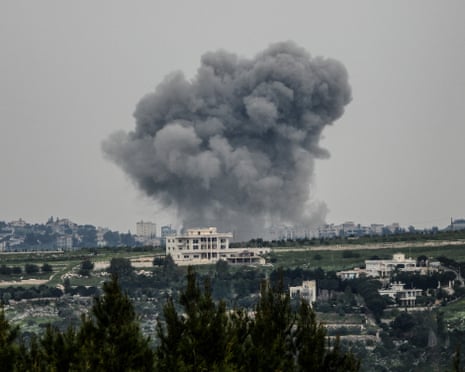
The Israel-Hezbollah ceasefire was established with expectations that it would remain in effect for several additional weeks, providing a window for diplomatic negotiations and humanitarian aid distribution. However, the escalating violence suggests that the agreement's terms may be insufficient to prevent isolated incidents or that one or both parties are not fully adhering to the specified restrictions. Military analysts point to the strategic importance of the southern Lebanese border region as a critical factor in understanding why violations continue despite the formal truce arrangement.
Both the Israeli government and Hezbollah leadership have issued statements blaming the other side for initiating aggressive actions that prompted retaliatory strikes. This cycle of accusations and counter-accusations represents a troubling pattern that has emerged since the ceasefire's inception. The breakdown in trust between the two adversaries suggests that without robust international monitoring mechanisms and verification procedures, maintaining peace remains an enormous challenge in this historically volatile region.
The Lebanese health system continues to struggle under the weight of treating victims of the ongoing conflict, with hospitals in the south reporting severe shortages of medical supplies and personnel. Healthcare workers have expressed deep concern about their capacity to manage the influx of injured civilians, particularly in rural areas where medical infrastructure is already limited. International humanitarian organizations have called for urgent action to ensure adequate medical resources reach affected populations.
The Sunday strikes represent a significant escalation in violence during what was supposed to be a period of relative calm. Prior to this incident, casualty figures had remained comparatively lower, suggesting that the ceasefire was having some effect in reducing active combat operations. The sudden spike in deaths raises serious questions about whether fundamental differences between the parties regarding interpretation of the ceasefire terms are leading to these dangerous escalations.
Regional stability remains precarious as international mediators attempt to enforce and strengthen the ceasefire agreement. Countries including the United States, France, and various Arab nations have invested considerable diplomatic capital in brokering and maintaining this truce. The occurrence of incidents like Sunday's strikes threatens to undermine these efforts and could provide justification for either side to abandon the agreement entirely if negotiations do not quickly address underlying grievances.
The broader geopolitical implications of continued violations extend beyond the immediate humanitarian crisis in Lebanon. The conflict has attracted international attention and concern from multiple global powers with strategic interests in the Eastern Mediterranean region. Any significant breakdown in the ceasefire could trigger wider instability and potentially draw in other regional actors, further complicating efforts to achieve lasting peace.
Civilian populations in southern Lebanon face an increasingly dire situation as repeated strikes destroy homes, infrastructure, and livelihoods. Many residents have been displaced from their communities, seeking refuge in other parts of the country or in neighboring nations. The psychological toll on survivors and families of victims cannot be understated, as trauma and grief compound the physical devastation visible across the conflict-affected areas.
Moving forward, both sides face critical decisions regarding their commitment to the ceasefire framework. Continued violations risk unraveling months of negotiation and diplomatic progress, returning the region to a state of open warfare. The international community remains engaged in efforts to reinforce the truce and address the specific grievances that appear to be driving individual incidents of violence and retaliation.
Source: The Guardian


