
Israeli Strikes Kill 9 in Lebanon Amid Ceasefire

At least nine people, including two children, were killed in Israeli strikes on southern Lebanon despite ongoing ceasefire negotiations. Details on the escalating situation.
A deadly escalation has unfolded in southern Lebanon as Israeli military strikes claimed the lives of at least nine individuals, including two children, according to official reports from Lebanon's health ministry. The tragic incident marks a significant breach of the fragile ceasefire framework that has been negotiated between Israeli forces and regional stakeholders, raising serious concerns about the stability of the broader conflict in the region and the humanitarian cost of ongoing tensions.
The Israeli strikes on Lebanon represent a critical turning point in recent negotiations aimed at de-escalating military hostilities. International observers and humanitarian organizations have expressed alarm at the loss of civilian lives, particularly the deaths of children, which underscore the devastating impact of military operations on vulnerable populations. The health ministry's confirmation of casualty figures has prompted widespread calls for renewed diplomatic efforts to prevent further violence and protect innocent civilians caught in the crossfire.
The timing of these strikes during what was supposed to be a period of reduced military activity highlights the precarious nature of ceasefire agreements in this volatile region. Southern Lebanon has been a flashpoint for tensions, with multiple armed groups and state actors maintaining significant military presence in the area. The continuation of military operations despite ceasefire declarations suggests underlying disagreements among parties involved in the conflict and raises questions about the commitment of various stakeholders to maintaining peace.
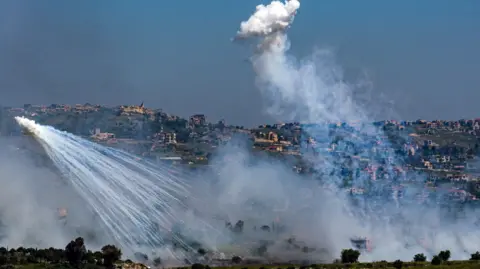
Regional analysts have pointed out that ceasefire violations in this part of the Middle East are not uncommon, though the loss of civilian life—especially children—typically triggers immediate international condemnation. The incident has prompted emergency sessions within the United Nations and calls from humanitarian organizations for investigations into whether military operations adhered to international laws regarding protection of civilians. These diplomatic responses underscore the global attention being paid to the situation and the pressure on military actors to exercise restraint.
The impact on southern Lebanon's civilian population has been severe and wide-ranging. Healthcare facilities in the region have been overwhelmed with casualties, and local communities face ongoing threats to their safety and security. The Lebanon health ministry has documented the casualties and called for international support in managing the humanitarian crisis unfolding in southern communities affected by the strikes.
Military officials from the Israeli side have not yet provided detailed explanations for the timing and scope of the strikes during the ceasefire period. Their silence has fueled speculation about whether the operations were targeted responses to specific security threats or represented a broader escalation strategy. International mediators have called for transparency and accountability, emphasizing that understanding the justifications for military action is crucial for rebuilding trust between parties and sustaining future peace agreements.
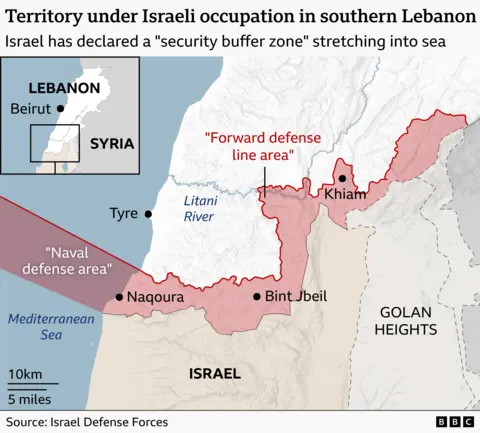
The southern Lebanon conflict has deep historical roots, with competing regional and international interests creating a complex security landscape. The presence of multiple militia groups, state-sponsored armed forces, and international military entities complicates efforts to establish and maintain effective ceasefire agreements. Experts argue that sustainable peace requires addressing the underlying grievances and security concerns of all parties involved, not merely establishing temporary truces that remain vulnerable to violation.
Humanitarian organizations operating on the ground have reported a deteriorating situation for civilians in the affected areas. Access to medical care, food supplies, and basic services has been compromised by the military operations, and many residents have been forced to flee their homes. The civilian casualties in Lebanon incidents have drawn particular attention from human rights groups, which have called for investigations into potential war crimes and violations of international humanitarian law.
International diplomatic efforts to resolve the situation are intensifying, with major world powers urging all sides to respect ceasefire agreements and pursue negotiated settlements. The United Nations and regional organizations have mobilized resources to support humanitarian relief operations and to facilitate dialogue between opposing parties. However, observers note that the current trajectory suggests continued tensions unless fundamental security concerns are addressed through comprehensive dialogue and negotiation.
The broader implications of these Israeli-Lebanon military tensions extend beyond the immediate humanitarian tragedy. The incident reflects ongoing geopolitical competition in the Middle East, with various state and non-state actors pursuing conflicting strategic objectives. The vulnerability of ceasefire agreements to sudden violations suggests that lasting peace in the region requires more robust international guarantees and enforcement mechanisms than currently exist.
Local communities in southern Lebanon continue to assess the full extent of damage and loss following the strikes. Rebuilding efforts face significant challenges given the ongoing security threats and limited resources available for reconstruction. Humanitarian agencies have emphasized that even as military operations continue, ensuring access for humanitarian assistance and protecting civilian infrastructure should be paramount concerns for all parties involved in the conflict.
Looking forward, the situation in southern Lebanon underscores the urgent need for comprehensive regional peace initiatives that address root causes of conflict rather than merely managing temporary truces. Stakeholders recognize that meaningful progress toward lasting peace requires sustained diplomatic engagement, commitment from all parties to respect humanitarian norms, and international support for rebuilding destroyed communities. The tragic loss of life in this incident serves as a sobering reminder of the human cost of unresolved regional tensions and the importance of prioritizing civilian protection in all military operations.
Source: BBC News


