
Italian City Issues €500 Fine for Dog Urine Cleanup

Livorno, Italy enforces strict dog urine ordinance with hefty fines. Mayor addresses rising complaints about pet waste odors in public spaces and parks.
In a bold move to address growing public health and sanitation concerns, the coastal Italian city of Livorno has implemented a groundbreaking ordinance that requires dog owners to clean up their pets' urine from public spaces or face substantial financial penalties. The new regulation, which went into effect following mounting complaints from residents, imposes fines of up to €500 for those who fail to comply with the strict cleanliness standards. This initiative marks one of the most aggressive approaches to pet waste management in Europe and reflects the escalating tensions between pet owners and residents seeking cleaner public spaces.
Livorno, a bustling port city situated on the picturesque Tuscan coast, has experienced a significant surge in pet ownership over recent years, contributing to what many residents describe as an increasingly problematic sanitation issue. Mayor Luca Salvetti, recognizing the legitimate concerns of his constituents, took decisive action by introducing this comprehensive measure after receiving numerous complaints about the pervasive smell of dog urine in public areas. The complaints were particularly concentrated in family-friendly zones, including parks and children's play areas, where parents expressed serious concerns about hygiene and their children's exposure to accumulated pet waste.
The decision to implement such stringent regulations did not come lightly, as the city council weighed the interests of both pet owners and the broader community. Mayor Salvetti emphasized that while the city welcomes responsible pet ownership, the quality of life for all residents must be prioritized. The €500 fine represents a substantial deterrent, especially compared to typical fines in other Italian municipalities, signaling the city's serious commitment to enforcing this new standard. This elevated penalty structure aims to encourage immediate behavioral change among dog owners who have previously neglected their responsibility to maintain public cleanliness.

The ordinance specifically targets the cleanup of dog urine from public spaces, requiring owners to immediately treat affected areas with cleaning solutions or absorbent materials to neutralize odors and eliminate staining. City officials provided guidance on approved cleaning methods, which include using enzymatic cleaners specifically designed to break down uric acid compounds, and portable water systems that dog owners can carry while walking their pets. The regulation applies comprehensively across all public areas, including sidewalks, parks, plazas, and designated pet areas, with no exceptions based on location or time of day.
Environmental health experts have noted that accumulated pet urine in public spaces presents more than just aesthetic or olfactory problems; it poses genuine health risks to the community. The bacteria and compounds present in dog urine can damage infrastructure, stain public property, and create unsanitary conditions that may contribute to the spread of pathogens. By addressing this issue directly, Livorno joins a growing number of forward-thinking municipalities across Europe that have recognized the need for comprehensive pet waste management policies to maintain public health standards and quality of life.
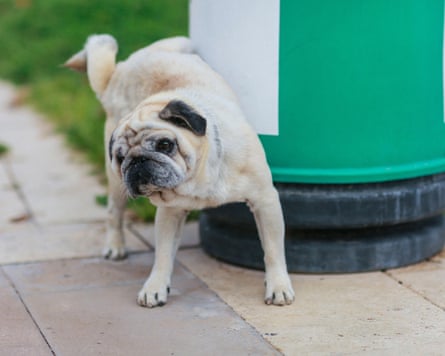
The implementation timeline for the new ordinance includes a grace period during which the city council will conduct educational outreach campaigns to inform residents of their obligations. Local animal welfare organizations have been engaged to help distribute information about proper dog urine cleanup techniques and to offer resources for pet owners seeking to comply with regulations. The city has also established designated waste disposal areas and provided information about where dog owners can access appropriate cleaning supplies and equipment.
Response from Livorno's pet-owning community has been mixed, with some owners expressing frustration about the additional responsibilities and costs associated with compliance. However, many residents who have long complained about sanitation issues have welcomed the ordinance as a necessary step toward reclaiming their public spaces. Local business owners, particularly those operating in areas frequented by families, have expressed strong support for the regulation, noting that cleaner parks and public areas could boost tourism and foot traffic.
Comparatively, this regulatory approach differs from strategies adopted by other European cities facing similar challenges. While some municipalities have focused on expanding dog-designated areas and implementing educational initiatives, Livorno has opted for a more punitive enforcement model. This distinction reflects the city's assessment that voluntary compliance had proven insufficient and that more aggressive measures were necessary to achieve meaningful change in community behavior and public space conditions.
The fine structure itself has been carefully calibrated to ensure effectiveness while remaining proportionate to the violation. The €500 maximum penalty applies to repeat offenders or particularly egregious cases, while first-time violations may result in lower fines following a graduated enforcement approach. City officials plan to monitor compliance over the coming months and adjust enforcement strategies if necessary to optimize outcomes while maintaining fairness and community support.
Looking ahead, Livorno's dog urine ordinance may serve as a model for other Italian cities and municipalities across Europe grappling with similar public health and sanitation challenges. The success or failure of this initiative will likely influence policy discussions in urban centers worldwide where balancing pet ownership rights with broader community welfare concerns remains an ongoing challenge. As cities continue to grow and pet populations expand, innovative regulatory approaches like Livorno's may become increasingly common.
For dog owners in Livorno and surrounding areas, the new ordinance represents a fundamental shift in expectations regarding responsible pet ownership. The requirement to actively clean up pet urine rather than simply remove solid waste marks an escalation in public responsibility standards. As the ordinance takes effect, the city will be watching carefully to see whether the substantial financial penalty proves sufficient to drive behavioral change and whether residents ultimately embrace the regulation as beneficial to their community's overall quality of life and public health standards.
Source: The Guardian


