
Italian Divers Lacked Proper Equipment, Rescuer Reveals

Rescuers reveal Italian divers were not adequately equipped during fatal cave diving incident. Images show treacherous recovery conditions.
In a sobering assessment of a tragic diving incident, rescue personnel have disclosed that the four Italian divers who lost their lives in an underground cave system were not equipped with optimal safety gear for the dangerous conditions they encountered. The revelation has raised serious questions about diving preparation, safety protocols, and the adequacy of equipment checks before such high-risk expeditions.
The Italian divers tragically perished during what was meant to be an exploration of an intricate cave network, highlighting the inherent dangers of cave diving as a recreational activity. Cave diving represents one of the most hazardous forms of underwater exploration, requiring specialized training, experience, and precisely maintained equipment. The rescue operation that followed their disappearance exposed the extreme challenges faced by emergency responders when attempting to retrieve bodies from such treacherous underwater environments.
According to rescue coordinators overseeing the recovery operation, the diving equipment found with the deceased individuals fell short of necessary safety standards for cave diving expeditions. This assessment carries significant weight, as it suggests that inadequate preparation may have contributed to the fatal outcome. The specifics of what equipment was deemed suboptimal remain under investigation, though such deficiencies typically relate to air supply systems, communication devices, lighting apparatus, or navigation equipment essential for safe underwater cave exploration.
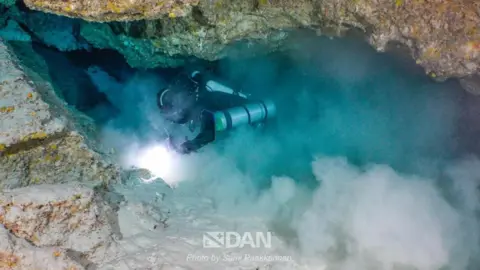
The photographic documentation captured during the body recovery operation provides stark visual testimony to the formidable obstacles that rescue teams encountered. These images reveal narrow underwater passages, complex rock formations, and challenging environmental conditions that made the recovery process extraordinarily difficult and dangerous for the rescue personnel themselves. The cave system's layout, with its labyrinthine structure and potentially unstable geological features, presented significant risks to the divers tasked with locating and retrieving the bodies.
Rescue operations in underwater cave environments demand exceptional skill, specialized training, and access to advanced rescue equipment that extends far beyond standard recreational diving gear. Teams must navigate through confined spaces while managing multiple safety concerns simultaneously, including maintaining adequate air supplies, managing decompression requirements, and ensuring stable lighting in complete darkness. The conditions documented in the recovery images underscore just how perilous such operations become, even for trained professionals.
The incident has prompted intense scrutiny of cave diving safety protocols and whether adequate preparatory measures were undertaken before the expedition commenced. Cave diving organizations worldwide emphasize rigorous training requirements, mandatory safety briefings, and thorough equipment inspections before any expedition begins. The tragedy serves as a powerful reminder that even experienced divers can face life-threatening circumstances if adequate precautions are not meticulously observed.
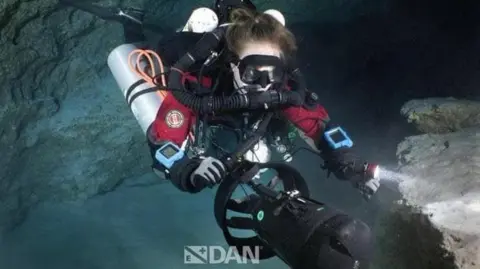
The recovery operation itself required coordinating specialized rescue personnel, deploying state-of-the-art equipment, and executing carefully planned extraction procedures. Rescue workers had to account for the deceased individuals' positioning within the cave system, the need to preserve bodies while removing them from the underwater environment, and the physical constraints imposed by narrow passageways. Each stage of the recovery presented unique technical and logistical challenges that extended the overall operation timeline.
Experts in underwater cave rescue operations have noted that such incidents frequently reveal deficiencies in pre-dive preparation, equipment maintenance, or risk assessment. The divers' lack of optimal equipment may indicate either negligence in preparation or potentially underestimation of the cave system's complexity and danger level. Experienced cave divers stress the absolute importance of never compromising on equipment quality or completeness, as redundancy and reliability become literally life-or-death matters in such extreme environments.
The four Italian fatalities represent another addition to the sobering statistics surrounding cave diving incidents globally. Each year, underwater cave exploration claims lives, despite increased awareness and improved training methodologies. The psychological impact on rescue workers tasked with body recovery in such conditions cannot be understated, as these professionals often experience significant trauma from their involvement in tragic recovery operations.

Cave diving organizations throughout Europe and internationally have implemented increasingly stringent certification requirements in response to recurring tragedies. These standards now typically mandate advanced open water diving certification, specialized cave diving courses, and demonstration of competency in confined space navigation before divers can participate in sanctioned cave expeditions. Many diving clubs now require multiple signed waivers and mandatory medical clearances before permitting members to pursue cave diving activities.
The rescue coordinator's assessment regarding inadequate diving equipment raises broader questions about the accessibility and affordability of proper cave diving gear. High-quality specialized equipment represents a significant financial investment, potentially creating situations where recreational divers might proceed with substandard gear due to budget constraints. This economic reality presents a persistent challenge for diving safety advocates attempting to ensure that all participants in extreme underwater activities maintain appropriate protective and functional equipment.
Authorities investigating the incident are expected to prepare comprehensive reports detailing the circumstances surrounding the divers' deaths and examining whether regulatory violations occurred. Such investigations typically scrutinize equipment maintenance records, dive planning documentation, diver certification credentials, and the decision-making processes that led to the expedition proceeding as planned. These detailed investigations contribute valuable information that helps prevent similar tragedies among future diving communities.

The tragedy underscores the critical importance of respecting the inherent dangers associated with cave diving expeditions and acknowledging that no amount of experience can completely eliminate risk. Even accomplished divers with years of technical diving experience can find themselves in catastrophic situations if environmental factors shift unexpectedly or if equipment failures occur. The incident serves as a humbling reminder that the underwater cave environment remains fundamentally unforgiving and demands absolute commitment to safety protocols.
Moving forward, the diving community must continue reinforcing safety awareness and emphasizing the non-negotiable nature of proper equipment investment and maintenance. Training organizations should intensify their messaging about the dangers of attempting cave diving without comprehensive preparation and appropriate gear. The memory of these four Italian divers should inspire greater vigilance and commitment to safety standards across all diving disciplines, particularly in the most extreme and hazardous categories of underwater exploration.
Source: BBC News


