
Jailed Tycoon's Luxury Birkin Bags Sell for $550K

Disgraced Vietnamese businessman's confiscated Hermès Birkin handbag collection fetches over $550,000 at auction despite ongoing life sentence for bank fraud.
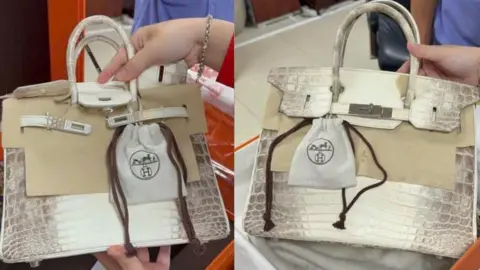
A collection of luxury Hermès Birkin bags belonging to a disgraced Vietnamese tycoon currently serving a life sentence has sold for more than $550,000 at an auction, drawing international attention to the case of one of Vietnam's most notorious financial criminals. The sale represents a significant moment in the ongoing legal proceedings against the businessman, whose massive embezzlement scheme rocked Vietnam's financial sector and resulted in one of the nation's most severe white-collar crime sentences.
The high-profile auction of these luxury accessories underscores the dramatic fall from grace experienced by the wealthy entrepreneur, whose once-enviable lifestyle has been reduced to state seizures and asset liquidation. The Birkin bag collection represents just a fraction of the extensive luxury goods accumulated during years of alleged financial misconduct. Each handbag, meticulously crafted by the prestigious French fashion house Hermès, commanded premium prices at auction, with certain rare pieces fetching tens of thousands of dollars individually.
According to court documents and official statements, the tycoon orchestrated an elaborate scheme to embezzle substantial sums from one of Vietnam's major banking institutions. The investigation revealed a sophisticated network of fraudulent transactions, shell companies, and offshore accounts designed to conceal the flow of stolen funds. Authorities traced the illicit proceeds to numerous luxury purchases, including the renowned designer handbags that recently went under the hammer.
The criminal case gained widespread media attention throughout Vietnam and across Southeast Asia, as it exposed vulnerabilities in the country's financial oversight mechanisms. Prosecutors alleged that the defendant exploited his position of influence within the banking sector to authorize unauthorized transfers and manipulate financial records. The investigation involved cooperation between multiple government agencies and resulted in the seizure of assets valued at millions of dollars, including real estate, vehicles, jewelry, and the extensive fashion collection.
The embezzlement case sparked significant discussion about corporate governance and accountability in Vietnam's business landscape. Financial experts and legal analysts pointed to the case as evidence of systemic weaknesses in internal controls and regulatory oversight. The scandal prompted government officials to announce enhanced monitoring protocols and stricter penalties for financial crimes, demonstrating the serious impact the case had on policy discussions at the highest levels.
At the auction, collectors and fashion enthusiasts from around the world competed for pieces from the confiscated collection. The Birkin bag auction attracted international bidders, with many pieces selling above their pre-auction estimates. Rare color combinations, limited editions, and exotic leather variations commanded particularly strong prices, with some individual bags selling for $35,000 to $45,000. The total proceeds from the sale are being directed toward victim restitution and state compensation funds as mandated by Vietnamese law.

The defendant's current whereabouts are a maximum-security penitentiary in Vietnam, where he maintains an appeal process that has extended over several years. Legal experts note that appeals in cases of this magnitude typically span multiple years in the Vietnamese judicial system, involving reviews by higher courts and examination of procedural matters. The defendant has consistently maintained elements of his innocence despite overwhelming evidence presented at trial, though he has not disputed ownership of the luxury goods that were seized.
The case has drawn comparisons to other high-profile embezzlement scandals in Asia, where executives from major financial institutions have perpetrated massive frauds affecting depositors and shareholders. International observers have noted that the severity of the sentence—life imprisonment—reflects the gravity with which Vietnamese authorities treat financial crimes affecting the banking sector. The case serves as a cautionary tale about the consequences of financial misconduct and the long-term reputational damage to both individuals and institutions implicated in such schemes.
Beyond the criminal justice aspects, the luxury goods auction raised questions about the intersection of fashion, wealth, and crime. The Hermès Birkin bag, an iconic symbol of luxury and status, has long been associated with the world's elite, making the circumstances of this collection's forced sale particularly noteworthy. Fashion journalists and analysts discussed how assets that once represented pinnacles of achievement had been transformed into commodities liquidated for legal restitution.
The bank fraud case remains a significant reference point in discussions about financial crime prevention in Vietnam. Banking regulators have implemented additional safeguards since the scandal came to light, including enhanced monitoring of high-value transfers and improved access controls for senior executives. These reforms represent concrete changes resulting from the investigation's findings regarding the vulnerabilities that allowed the embezzlement to occur over an extended period.
The auction result garnered attention from international media outlets covering developments in Vietnamese jurisprudence and white-collar crime enforcement. News organizations highlighted both the criminal aspects of the case and the unusual outcome of such a high-value luxury goods sale. The event underscored the global reach of financial crimes and the often-surprising ways that criminal investigations conclude through the liquidation of seized assets.
For the auction house selected to conduct the sale, the event represented an extraordinary opportunity to showcase rare luxury items under unusual circumstances. The company worked with authorities to authenticate each piece and establish valuations reflecting current market conditions for vintage and rare Birkin bags. The successful sale demonstrated robust demand in the luxury handbag market, even when items carry complex and contested ownership histories.
Looking forward, the case continues to influence how Vietnamese financial institutions approach internal controls and fraud detection. Banking sector leaders have cited the case in training programs and compliance initiatives designed to prevent similar incidents. The tycoon's conviction serves as a lasting reminder of the potential consequences of financial malfeasance and the determination of authorities to prosecute white-collar crimes vigorously.
The story of the jailed tycoon's Birkin bag collection ultimately transcends simple narratives about luxury and crime. It reflects broader themes regarding accountability, justice, and the complex ways that modern financial systems can be manipulated by individuals with access and influence. As the defendant continues serving his sentence and the legal process runs its course, the auction of his confiscated possessions stands as a symbol of how misconduct is ultimately exposed and consequences are ultimately imposed.
Source: BBC News


