
Japan's Bear Crisis Escalates Post-Hibernation

Record bear sightings in Japan surge as hungry animals emerge from hibernation, surpassing 2025's dangerous attack numbers and threatening public safety.
A concerning trend is unfolding across Japan as bear sightings reach unprecedented levels following the end of the winter hibernation season. The situation has grown so severe that authorities are implementing emergency protocols to protect residents and tourists, particularly as the nation prepares for the busy Golden Week holiday period. Recent incidents have underscored the gravity of the human-wildlife conflict, with tragic consequences already evident.
The discovery of a woman's body in Iwate prefecture last week marked one of the most alarming developments in Japan's ongoing bear attack crisis. This discovery came merely days after a police officer sustained serious injuries while responding to a separate bear encounter in the same region, illustrating the escalating danger posed by these powerful animals as they emerge from their winter slumber. The rapid succession of these incidents has sent shockwaves through local communities and prompted urgent action from regional authorities.
According to comprehensive media reports and official government data, bear encounters in Japan's northeast are occurring at a dramatically accelerated pace compared to previous years. The frequency of sightings in 2026 is already outpacing the record-breaking numbers recorded throughout 2025, which had previously been identified as the worst year on record for bear attacks and incidents. Wildlife experts attribute this alarming surge to the bears' desperate hunger after months without food during hibernation, combined with expanding human encroachment into natural habitats.
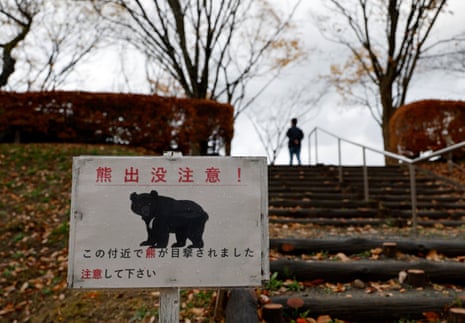
The bear population surge in urban areas has proven particularly shocking to residents and local officials. What was once considered a remote wilderness concern has transformed into a pressing public safety issue affecting populated regions. Bears are being spotted with startling regularity in towns, villages, and even suburban neighborhoods across Hokkaido, Honshu, and other northern prefectures, forcing communities to implement unprecedented preventative measures. Residents report encountering the animals near schools, parks, and residential areas during both daylight and nighttime hours.
Local authorities have issued widespread warnings for Japan's Golden Week holidays, advising tourists and residents planning countryside excursions to exercise extreme caution. The Golden Week period, typically spanning late April to early May, is traditionally one of the busiest vacation seasons in Japan, with millions of people venturing into rural and mountainous areas for outdoor activities. Officials are concerned that the combination of increased human activity and hungry bears searching for food could create dangerous confrontations, potentially resulting in more injuries and fatalities.
The timing of this surge is no coincidence, as hibernating bears emerge extremely hungry after months without sustenance. During hibernation, these animals consume virtually no food or water, relying instead on stored body fat reserves accumulated during the fall feeding season. As temperatures warm and snow melts, bears become increasingly active and aggressive in their search for food sources, making human encounters more likely. The desperation of these famished animals makes them more likely to venture into populated areas in search of readily available food supplies.

Japan's bear situation has drawn international attention and raised important questions about wildlife management and human-habitat balance. Environmental scientists point to multiple contributing factors, including climate change affecting food availability and hibernation cycles, deforestation reducing natural bear habitat, and increasing human settlement in traditionally wild areas. The complex interplay of these factors has created a perfect storm of human-wildlife conflict that researchers warn will likely continue without substantial intervention.
The comparison to 2025's record attack year provides sobering context for the current crisis. That year saw a dramatic increase in incidents across multiple prefectures, prompting government reviews and policy discussions. However, experts now realize that 2025 may have merely been a warning sign of even worse conditions to come. The 2026 season appears poised to surpass those numbers by a significant margin, raising concerns about the long-term trajectory of this dangerous trend.
Wildlife control teams across Japan's northern regions are working overtime to respond to reported sightings and close calls. These specialized units employ a combination of deterrents, live traps, and in some cases, lethal removal of particularly dangerous individuals. The resources required for these operations have stretched thin, with teams often unable to respond immediately to all reported sightings. Training programs for both wildlife personnel and local police have been expanded to better prepare responders for dangerous encounters.
Public education campaigns have intensified as part of the response strategy. Residents are being instructed on proper food storage, garbage disposal, and warning signs of bear presence. Authorities are also encouraging the installation of bear bells, electric fencing, and other deterrent devices in residential and agricultural areas. Schools in affected regions are conducting bear safety drills to prepare students for potential encounters, turning what was once a theoretical risk into a practical daily concern.
The economic implications of this bear crisis in Japan extend beyond immediate safety concerns. Tourism to rural areas may decline as visitors become concerned about safety, impacting local economies dependent on outdoor recreation and ecotourism. Agricultural damage from bears raiding crops and livestock has also increased significantly, creating hardship for farming communities already facing demographic and economic challenges. The total cost of bear-related incidents and prevention efforts continues to mount with each passing week.
As Golden Week approaches, Japanese authorities are implementing enhanced monitoring protocols and increasing visible security presence in popular tourism destinations. Ranger stations are being staffed more heavily, and popular hiking trails in bear country are receiving additional patrols. Some municipalities are considering temporary closures of particularly vulnerable areas, a measure that would have been considered extreme just a few years ago. The urgency of the situation has clearly pushed conventional responses beyond their normal scope.
Scientists studying Japan's bear population are calling for a comprehensive long-term strategy to address the underlying factors driving this crisis. Proposals include habitat restoration projects, wildlife corridors to reduce human-bear overlap, and research into bear population dynamics and migration patterns. Some experts advocate for more aggressive wildlife management, while others emphasize the need for human behavior changes and residential area modifications. The debate over appropriate responses reflects the complexity of managing wildlife in an increasingly urbanized nation.
The tragic human toll of this crisis cannot be understated. Each bear sighting carries potential for serious injury or death, and the psychological impact on affected communities is profound. Residents in vulnerable areas report living in fear, with many taking extraordinary precautions to protect themselves and their families. The police officer injured in his encounter and the woman found in Iwate prefecture represent not statistics but real people whose lives have been altered by this escalating wildlife threat in Japan. Their stories underscore the urgent need for effective solutions to this dangerous situation.
Source: The Guardian


