
Jet Fuel Shortages Threaten Summer Holiday Plans

Discover how jet fuel shortages could impact your summer vacation and what travelers need to know about potential flight disruptions.
As summer approaches, travelers worldwide are beginning to finalize their holiday plans, but a looming crisis threatens to disrupt vacations on an unprecedented scale. Jet fuel shortages are emerging as a significant concern for the aviation industry, raising questions about flight availability, pricing, and the overall feasibility of summer travel. Understanding the scope of this challenge and its potential consequences is essential for anyone planning to take to the skies in the coming months.
The aviation fuel supply crisis stems from multiple interconnected factors that have converged to create a perfect storm for the airline industry. Refinery capacity constraints, geopolitical tensions, and increased demand following the post-pandemic travel boom have all contributed to tightening supplies. Many refineries that produce jet fuel have not yet fully recovered their operational capacity, while others have shifted their focus toward more profitable fuel products, leaving aviation fuel production lagging behind industry needs.
Global supply chain disruptions continue to plague the energy sector, with transportation bottlenecks preventing efficient distribution of available fuel stocks. Additionally, several major refineries have undergone maintenance shutdowns simultaneously, further reducing the overall supply of jet fuel available to airlines. The situation is compounded by unpredictable weather patterns and geopolitical events that threaten to disrupt fuel production and transportation routes even further.

For summer holiday travelers, the implications of jet fuel shortages could manifest in several troubling ways. Airlines may be forced to reduce flight frequencies on popular routes, particularly those serving beach destinations and summer hotspots. This reduction in available flights would inevitably lead to higher ticket prices, as demand vastly outpaces supply during the peak travel season. Consumers planning budget-conscious vacations could find themselves paying significantly more than they anticipated, or worse, unable to secure flights at any price.
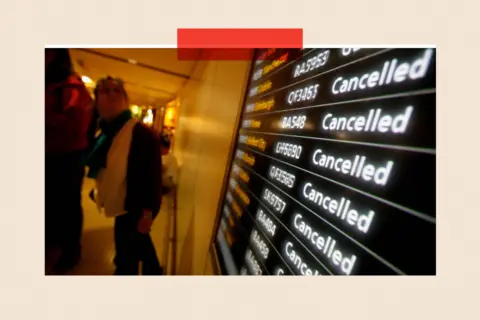
Beyond pricing concerns, fuel shortages could result in increased flight cancellations and delays, particularly for long-haul international routes that consume the most jet fuel. Airlines operating on thin profit margins may struggle to absorb higher fuel costs, potentially leading to operational cutbacks and route consolidations. Families with tightly scheduled vacations could face cascading disruptions, missed connections, and the need to rebook on alternative dates—assuming availability exists at all.
The airline industry is already grappling with the challenge of balancing passenger demand against resource constraints. Major carriers have begun implementing fuel-hedging strategies and negotiating long-term supply contracts to secure adequate fuel supplies. However, these measures only partially mitigate the broader shortage affecting the entire aviation sector. Airlines are also investing in fuel-efficient aircraft and exploring alternative aviation fuels, but these solutions will take time to implement at scale.

What can be done to address this crisis? On the industry level, governments could implement policies to incentivize refinery expansion and increased jet fuel production. Tax breaks or subsidies for refineries that prioritize aviation fuel could help shift production capacity toward meeting airline demand. Strategic petroleum reserves could also be tapped to temporarily supplement commercial supplies, providing immediate relief while longer-term solutions are developed.
Airlines themselves are pursuing multiple strategies to mitigate the impact of fuel shortages. Route optimization using advanced analytics helps carriers reduce unnecessary fuel consumption and operate more efficiently. Some airlines are investing in fleet modernization, replacing older, less efficient aircraft with newer models that consume significantly less fuel per passenger. Collaborative efforts within the industry, such as sharing fuel supply information and coordinating purchases, could help stabilize prices and ensure more equitable distribution.
Technological innovation offers promising solutions for the longer term. Sustainable aviation fuel (SAF) alternatives are being developed and deployed by forward-thinking airlines, though current production capacity remains limited. These renewable fuels, derived from sources such as used cooking oil, algae, and agricultural waste, can reduce emissions while potentially alleviating pressure on conventional jet fuel supplies. Increasing SAF production capacity and reducing its cost premium relative to traditional jet fuel will be crucial to widespread adoption.

Individual travelers can also take steps to protect their summer holiday plans. Booking flights early provides access to more options and potentially lower prices before shortages drive costs higher. Booking directly with airlines rather than through third-party sites may offer better protection if flights are cancelled. Purchasing comprehensive travel insurance that covers flight cancellations and delays can provide financial protection against disruptions caused by fuel-related operational issues.
Flexibility in travel dates and destinations represents another important strategy for holiday planners. Traveling mid-week rather than on weekends often means less competition for limited seats, and choosing less popular destinations can improve flight availability. Considering alternative modes of transportation for some trips—such as trains for shorter distances or driving when feasible—can help reduce pressure on aviation and provide backup options if flights become unavailable or prohibitively expensive.
The outlook for summer travel hinges significantly on how quickly the jet fuel supply situation stabilizes. If refineries return to normal operational capacity and new production comes online over the coming months, the shortage could ease in time for peak summer travel. However, if supply constraints persist, travelers may face difficult choices between paying elevated prices or postponing vacations. Industry analysts remain cautiously optimistic but recommend that travelers and airlines alike prepare for multiple scenarios.
The convergence of energy sector challenges has created genuine uncertainty about summer travel for millions of people. While the situation remains dynamic, with potential for both improvement and deterioration, proactive measures by governments, industry stakeholders, and individual travelers can help mitigate negative impacts. The coming months will be critical in determining whether summer holidays proceed as planned or face significant disruption from aviation fuel shortages.
Looking ahead, this crisis underscores the importance of building resilience into our energy and transportation systems. Long-term investments in refinery capacity, alternative fuel development, and more efficient aircraft are essential to preventing future shortages. By taking action now—both at the policy level and in personal travel planning—we can work toward ensuring that future summer holidays remain accessible and enjoyable for travelers worldwide.
Source: BBC News


