
Jewish Candidate Faces Violent Antisemitic Abuse Online

Royal commission hears evidence of antisemitic harassment targeting political candidate and Jewish Australians, revealing pattern of intimidation from public life.
The third day of proceedings for the royal commission on antisemitism and social cohesion brought forward compelling testimony from Jewish Australians experiencing harassment and violence. The hearings revealed disturbing patterns of discrimination and intimidation that have become increasingly prevalent in Australian communities, raising concerns about the safety and wellbeing of Jewish citizens participating in public life and democratic processes.
During the commission's examination of antisemitic conduct, evidence emerged detailing how violent antisemitic abuse flourished unchecked across digital platforms targeting Jewish political candidates. The testimony painted a picture of systematic harassment designed to discourage Jewish Australians from engaging in civic participation and seeking elected office. Witnesses described the coordinated nature of these attacks and their psychological impact on targeted individuals and their families.
Joshua Kirsh, an independent candidate who ran for the New South Wales upper house in late 2025, became a focal point of the commission's inquiry into online harassment. His campaign experience demonstrated how contemporary antisemitism operates through digital channels, with his social media accounts inundated with hateful content from the moment his candidacy was announced. The candidate faced a relentless barrage of antisemitic tropes, abusive language, and explicit threats that persisted despite multiple reports to platform administrators.
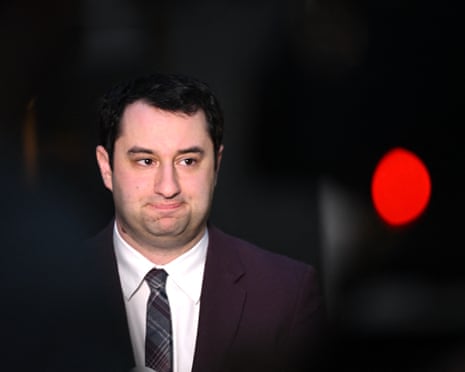
The nature of the antisemitic content directed at Kirsh's campaign reflected deeply entrenched prejudices and conspiracy theories. Many of the posts contained classic antisemitic tropes that have circulated for centuries, including references to Jewish control of financial systems, media manipulation, and dual loyalty accusations. These narratives were amplified through social media algorithms that Kirsh's legal representatives argued failed to adequately moderate or remove hateful content, effectively allowing antisemitic harassment to proliferate unchecked.
Beyond the political candidate's experience, the royal commission also heard testimony concerning physical violence against Jewish schoolchildren. One particularly distressing account described a Jewish schoolboy being thrown into a bin by other students, an incident that the commission chair characterized as terrifying evidence of antisemitic violence penetrating educational institutions. This testimony highlighted how antisemitic sentiment extends beyond online spaces into physical communities and schools, affecting vulnerable young people.
The pattern of incidents presented to the commission suggested a coordinated effort to create an environment hostile to Jewish participation in Australian public life. Experts testifying before the inquiry emphasized that such campaigns serve a dual purpose: directly harming targeted individuals while simultaneously sending a broader message to the Jewish community about the perceived dangers of public engagement. This intimidation strategy has been documented internationally as a method to suppress minority political participation.
The royal commission's examination of these cases occurred within the broader context of rising antisemitic incidents across Australia. National statistics presented during the hearings demonstrated a significant increase in reported antisemitic incidents over recent years, with online harassment representing the fastest-growing category. The commission heard that antisemitism in Australia has become increasingly visible and brazen, with perpetrators often operating with apparent confidence in their impunity.
Platform accountability emerged as a central theme throughout the testimonies. Multiple witnesses described their experiences reporting antisemitic content to social media companies, only to receive responses indicating that the content did not violate community standards. Kirsh's team provided documented examples of posts containing explicit calls for violence that remained online for days or weeks after being reported. This gap between stated platform policies and actual enforcement raised questions about the effectiveness of current moderation systems and the adequacy of corporate responsibility in combating antisemitism.
The royal commission also heard expert analysis on the psychological and social impacts of antisemitic harassment on targeted individuals and communities. Psychologists and sociologists testified that sustained harassment campaigns create a chilling effect that discourages targeted individuals from further public participation. For political candidates like Kirsh, this impact extends beyond personal distress to affect democratic representation, as talented individuals may choose to withdraw from public service rather than endure coordinated abuse.
Historical context provided during the hearings placed contemporary antisemitism within a longer tradition of Jewish persecution. Commissioners noted that while the specific mechanisms of harassment have evolved with technology, the underlying prejudices reflect antisemitic narratives that have persisted for centuries. Witnesses discussed how antisemitic incidents often intensify during periods of geopolitical tension or social instability, with vulnerable minority groups becoming targets for broader societal frustrations.
The testimony regarding the schoolboy incident prompted discussion about antisemitism in educational settings and the responsibility of schools to create safe learning environments. Education experts appeared before the commission to discuss curriculum approaches to combating prejudice and the importance of training staff to recognize and respond to antisemitic bullying. The incident raised questions about whether schools had adequate protocols for reporting and addressing antisemitic violence among students.
Moving forward, the royal commission's inquiry will likely result in recommendations addressing multiple fronts in combating antisemitism. Potential areas include stronger regulatory frameworks for social media platforms, enhanced law enforcement training on hate crimes, curriculum modifications in schools, and community dialogue initiatives. The testimony heard during these hearings will form the evidentiary foundation for these recommendations, demonstrating the urgent need for systemic responses to antisemitic harassment and violence.
The commission's work underscores the broader importance of social cohesion and intercommunal dialogue in addressing antisemitism. Beyond individual incidents and legal remedies, long-term solutions require building understanding between communities and challenging the narratives that fuel prejudice. The royal commission's dual focus on antisemitism and social cohesion reflects recognition that combating hatred requires both addressing its manifestations and strengthening the social bonds that prevent it from taking root.
As the hearings continue, additional testimony is expected to explore systemic factors contributing to antisemitism in Australia, institutional responses to incidents, and international approaches to combating hate. The commission's final report will provide a comprehensive examination of antisemitism in contemporary Australia and detailed recommendations for government, institutions, and communities to implement. The evidence presented in these early hearings has established the gravity of the situation and the urgent need for coordinated action across multiple sectors of society.


