
Jewish Left Faces Division as Right Dominates Antisemitism

Progressive rabbis encounter backlash at antisemitism rallies while Reform politicians gain prominence, threatening historic left-wing Jewish coalitions and solidarity movements.
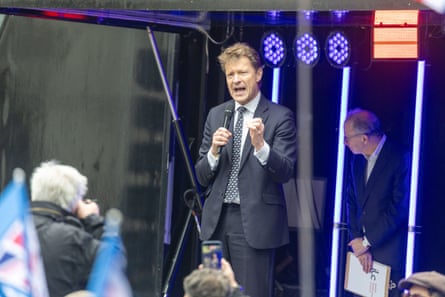
The landscape of Jewish political activism is undergoing a significant transformation, with antisemitism rallies increasingly becoming contested spaces where ideological fault lines within the community are becoming more pronounced. After recent events in central London where Reform politicians received enthusiastic applause while progressive rabbis faced audible disapproval from sections of the crowd, concerns are mounting that longstanding Jewish left alliances may be experiencing unprecedented fracturing. These tensions reflect deeper divisions about how the community should respond to rising antisemitism and which voices should lead the charge against prejudice.
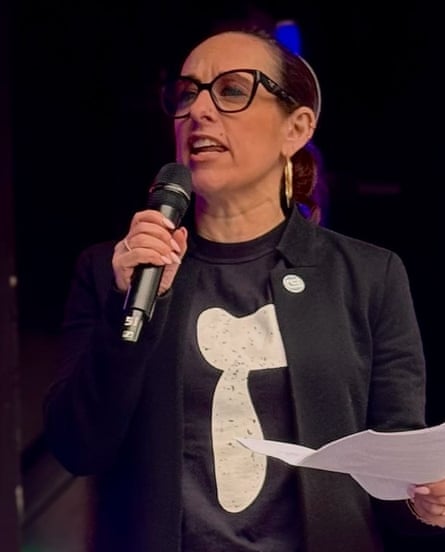
Rabbi Charley Baginsky, who serves as co-leader of Progressive Judaism, one of the UK's most significant Jewish reform movements, disclosed that she experienced considerable anxiety in the lead-up to her speech at last weekend's major rally against antisemitism in central London. As she stepped up to address the assembled crowd and articulate the progressive Jewish perspective on combating hatred, portions of the audience responded with visible disapproval. This reception was not an isolated incident but rather a troubling pattern, as Baginsky and her fellow co-lead, Rabbi Josh Levy, encountered similar treatment just a year prior when they were subjected to jeers while speaking at a comparable event staged outside the iconic Downing Street location.

These incidents underscore a growing phenomenon within British Jewish political organizing, where the traditional dominance of left-leaning and progressive voices in Jewish community activism appears to be shifting. Historically, the Jewish left has maintained strong organizational capacity and cultural influence within the broader community, establishing the terms of debate around social justice, immigration, and Israel-Palestine relations. However, the recent ascendancy of conservative and reform-oriented politicians at high-profile antisemitism awareness events suggests a potential realignment of community power dynamics and messaging priorities.
The fracturing of Jewish left coalitions carries significant implications for the community's ability to present a unified response to antisemitism while simultaneously maintaining its traditional commitment to progressive social causes. For decades, Jewish left organizations have worked to frame the fight against antisemitism within a broader context of solidarity with other marginalized communities and resistance to all forms of bigotry and discrimination. This approach emphasized intersectionality and the interconnectedness of different social justice struggles, positioning Jewish activism as inherently linked to broader progressive movements.
The rising prominence of right-leaning Jewish voices at antisemitism prevention events represents a different strategic approach to combating prejudice. These voices often prioritize the singular focus on protecting Jewish safety and interests, sometimes with less emphasis on the intersectional concerns that have traditionally animated the Jewish left's activism. This ideological divergence creates a space where different factions within the Jewish community are competing to define what authentic Jewish responses to antisemitism should look like and which values should take precedence.
The experience of progressive rabbis like Baginsky and Levy at these events raises important questions about tolerance for ideological diversity within Jewish communal spaces and whose voices are amplified during moments of crisis. When activists from the progressive wing of the Jewish community are met with hostility at events ostensibly designed to unite the community against a common threat, it suggests that some segments of the community may view progressive Judaism or left-wing activism as incompatible with serious antisemitism advocacy. This perception threatens to marginalize voices that have historically played central roles in Jewish social justice organizing.
The broader context for these tensions includes ongoing debates within the Jewish community about Israel, Palestinian rights, and the relationship between combating antisemitism and supporting other oppressed peoples. Progressive Jewish organizations have consistently maintained that fighting antisemitism and supporting Palestinian self-determination are not mutually exclusive commitments, but rather complementary aspects of a comprehensive social justice framework. Conservative and right-leaning Jewish voices have sometimes challenged this perspective, arguing that excessive criticism of Israeli policies can undermine the fight against antisemitism or provide cover for antisemitic sentiment.
These ideological disagreements have created what some observers describe as a crisis of representation within Jewish community spaces. When progressive voices are sidelined or actively discouraged from participating in major community events and initiatives, the resulting narratives about antisemitism may fail to reflect the full diversity of Jewish political perspectives and values. This exclusion risks alienating Jewish progressive activists who have long understood their work against antisemitism as integral to their broader commitment to social justice and human dignity for all communities.

The implications of this realignment extend beyond symbolic representation to practical questions about which organizations receive resources, platform access, and community legitimacy. If right-leaning and conservative Jewish voices increasingly monopolize representation at major anti-antisemitism campaigns, funding streams and organizational support may flow disproportionately toward groups aligned with this perspective. Jewish left organizations that have historically driven community engagement on antisemitism while maintaining commitments to other social justice causes may find themselves marginalized or forced to choose between their various advocacy priorities.
Moving forward, the Jewish community faces the significant challenge of developing responses to antisemitism that are genuinely inclusive of the full political and ideological spectrum of Jewish voices. This requires creating spaces where progressive and conservative perspectives can coexist and engage in good-faith debate about the best strategies for combating prejudice and protecting community safety. Without such inclusivity, the community risks deepening divisions at precisely the moment when unified response to antisemitism appears most crucial and necessary.
The experiences of Rabbi Baginsky, Rabbi Levy, and other progressive Jewish leaders at recent antisemitism rallies serve as a clarion call for the broader community to examine its commitment to democratic participation and ideological diversity. As the Jewish community continues to grapple with the serious threat of antisemitism in contemporary society, it must simultaneously work to preserve the internal democratic cultures that have historically made Jewish activism so vital and morally grounded. The future of Jewish community solidarity may well depend on whether diverse voices can find common ground while maintaining their distinct political commitments and visions for social change.


