
John Ternus Takes Apple's Helm: What's Next?

Tim Cook steps down as Apple CEO. Discover how product-focused John Ternus will reshape the tech giant's future strategy and innovation.
The technology world has witnessed a significant moment as Tim Cook announced his transition from the chief executive officer position at Apple, one of the world's most influential and valuable companies. This transition marks a pivotal chapter in Apple's storied history, establishing John Ternus as the next leader tasked with guiding the company through an increasingly complex and competitive global marketplace. Ternus, who has long been recognized as a dedicated and accomplished product leader within Apple's ranks, now faces the monumental responsibility of maintaining the company's trajectory while addressing emerging challenges in technology, sustainability, and market innovation.
John Ternus has built an impressive career within Apple, earning respect and recognition for his hands-on approach to product development and his deep understanding of the company's design philosophy. His tenure at Apple has been marked by significant contributions to some of the company's most successful product lines and technological advances. As a product-focused executive, Ternus represents a particular management style that emphasizes innovation, meticulous attention to detail, and a commitment to the user experience that has become synonymous with Apple's brand identity. His promotion to the CEO position reflects the board's confidence in his ability to shepherd the company through both opportunities and obstacles that lie ahead.
The transition itself carries considerable weight, as Tim Cook has led Apple through more than a decade of unprecedented growth and market dominance. During his tenure, Apple achieved record-breaking financial performance, expanded its services division into a major revenue driver, and solidified its position as a leader in consumer technology innovation. However, the company now faces a fresh set of challenges that will test Ternus's leadership capabilities and strategic vision. Understanding these challenges provides crucial insight into what the future may hold for Apple and its stakeholders, including investors, employees, and loyal customers worldwide.
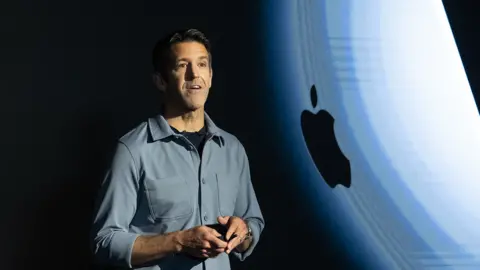
One of the most pressing challenges confronting the new Apple leadership involves navigating the increasingly complex regulatory landscape that technology companies face globally. Governments around the world are implementing stricter regulations regarding data privacy, antitrust concerns, and app store practices. Apple's business model has come under scrutiny from regulators in the European Union, the United States, and other major markets. The company must balance its commitment to user privacy and security with the demands of regulators who question whether Apple's strict control over its ecosystem gives it unfair competitive advantages. Ternus will need to develop diplomatic and strategic responses to these regulatory pressures while maintaining Apple's core values and business integrity.
Another critical challenge involves maintaining Apple's reputation for innovation and product excellence in an increasingly crowded marketplace. The smartphone market, which has historically been Apple's primary revenue generator, is showing signs of saturation in developed markets. While Apple has successfully diversified its product portfolio to include wearables, services, and emerging product categories, the company must continue to identify and develop next-generation products that capture consumer imagination and justify premium pricing. Ternus's background as a product person positions him well to address this challenge, but he must also navigate the inherent tension between incremental improvements and revolutionary innovation.
The challenge of maintaining and expanding Apple's services division represents another crucial area of focus for the new CEO. Under Tim Cook's leadership, the services segment—including Apple Music, iCloud, Apple TV+, and the App Store—has grown to become a cornerstone of Apple's financial performance and profitability. These services generate high-margin recurring revenue that provides stability and predictability to Apple's business model. However, Ternus must ensure that the services division continues to grow and innovate while also managing concerns about market saturation and increased competition from well-established tech giants who offer competing services.

Supply chain resilience and manufacturing strategy will also demand significant attention from Ternus during his tenure as CEO. The global semiconductor shortage, geopolitical tensions affecting international trade, and China's strategic importance to Apple's manufacturing operations all present ongoing challenges that require careful navigation. Apple's reliance on Asia, particularly Taiwan and China, for both manufacturing and critical components makes the company vulnerable to disruptions beyond its control. Ternus must work to diversify supply chains while maintaining the cost efficiency and quality standards that Apple customers expect, a delicate balancing act in an uncertain global environment.
Environmental sustainability and corporate responsibility initiatives will likely continue to be important priorities under Ternus's leadership. Apple has made ambitious commitments to becoming carbon neutral across its entire supply chain and product lifecycle. The company has pledged to remove all fossil fuels from its operations and transition to renewable energy sources. Ternus must ensure that these environmental commitments are not merely aspirational statements but are translated into concrete actions and measurable results. This requires working closely with suppliers, manufacturing partners, and other stakeholders to drive meaningful progress toward sustainability goals while maintaining competitive pricing and product performance.
The competitive landscape in technology markets continues to evolve rapidly, with established rivals and emerging competitors constantly pushing innovation boundaries. Samsung, Google, and other manufacturers are investing heavily in artificial intelligence, augmented reality, and other cutting-edge technologies that could reshape consumer expectations and market dynamics. Apple must ensure that it remains at the forefront of technological advancement and that its products continue to offer compelling reasons for consumers to remain within the Apple ecosystem. Ternus's product expertise and understanding of Apple's capabilities position him to make strategic decisions about which emerging technologies deserve significant investment and development resources.

International expansion and market penetration in emerging economies represent additional growth opportunities that Ternus should prioritize. While Apple has a strong presence in developed markets in North America, Europe, and parts of Asia, significant opportunities exist in India, Southeast Asia, Latin America, and Africa. However, these markets present distinct challenges, including price sensitivity, different consumer preferences, and competition from local manufacturers who understand regional markets deeply. Ternus must develop strategies that allow Apple to expand its footprint in these regions while adapting to local conditions and maintaining the premium brand positioning that Apple has cultivated globally.
The integration of artificial intelligence and machine learning capabilities into Apple's products and services represents a frontier that will likely occupy considerable attention during Ternus's tenure. As competitors like Google and Microsoft aggressively pursue AI integration into their products and platforms, Apple cannot afford to fall behind in this crucial technology domain. However, Apple's approach to AI has historically emphasized privacy and on-device processing rather than cloud-based AI services that collect extensive user data. Ternus must determine how to advance Apple's AI capabilities while maintaining the privacy-first philosophy that has become a key component of the company's brand identity and marketing message.
John Ternus's appointment as Apple's new CEO signals a shift toward product-focused leadership that emphasizes innovation and user experience. His deep knowledge of Apple's product development processes, engineering capabilities, and design philosophy should serve the company well as it navigates the complex challenges ahead. However, success in the CEO role extends beyond product excellence to include financial stewardship, strategic planning, stakeholder management, and organizational leadership. Ternus will need to demonstrate that he can excel in all these dimensions while maintaining the company culture and values that have made Apple one of the world's most admired and successful corporations.
The transition from Tim Cook to John Ternus marks an important moment in Apple's evolution. While Cook established a strong foundation of financial stability, operational excellence, and strategic vision, Ternus must now build upon that foundation while charting a course that addresses contemporary challenges and future opportunities. His success will ultimately be measured by Apple's ability to continue delivering innovative products that delight customers, generating sustainable financial returns for shareholders, and maintaining the company's position as a leader in technology innovation and design excellence. The coming years will reveal whether Ternus's product-focused approach and leadership philosophy can guide Apple through a new era of growth and influence in the global technology market.
Source: BBC News


