
Josh Mauro, Former Cardinals DE, Dies at 35

Former Arizona Cardinals defensive end Josh Mauro has passed away at age 35. The NFL community mourns the loss of the veteran player who also played for the Raiders and Giants.
Josh Mauro, a veteran defensive end who spent multiple seasons in the National Football League representing several franchises, has tragically passed away at the age of 35. The confirmation of his death came through a heartfelt post shared by his father, Greg Mauro, on Facebook, sending shockwaves through the sports community and among former teammates who remembered him fondly for his dedication and work ethic.
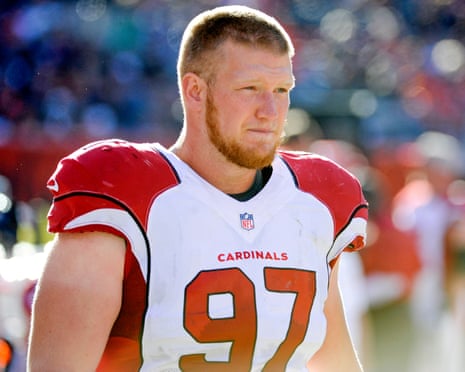
Throughout his NFL career, Mauro donned the uniforms of several prestigious organizations, most notably the Arizona Cardinals, where he made significant contributions to the team's defensive line. Beyond his time in Arizona, the accomplished player also had meaningful stints with the Oakland Raiders and the New York Giants, showcasing his versatility and resilience as he navigated the demanding landscape of professional football across different systems and coaching philosophies.
The Arizona Cardinals organization expressed their profound sadness upon learning of Mauro's untimely death, with team officials releasing statements describing themselves as heartbroken by the loss of someone who had been part of their family during his tenure with the franchise. The organization took time to honor his contributions both on and off the field, recognizing the impact he had made during his time wearing the Cardinals' cardinal red uniform.
Adrian Wilson, a legendary figure in Cardinals history and a Hall of Fame candidate, took to social media to pay tribute to Mauro's exceptional work rate and professional demeanor. Wilson's acknowledgment of Mauro's character highlighted the respect that the former player had earned from his peers throughout his career in the league. The recognition from established veterans like Wilson underscored the lasting impression Mauro had made on those who played alongside him and against him.
Mauro's journey through professional football was characterized by his consistent effort and determination to maintain a competitive edge in one of the most physically demanding sports in the world. Those who worked with him throughout his career consistently praised his approach to training and his commitment to being a reliable teammate in the locker room and on game day. His presence in the defensive line demonstrated the kind of professional commitment that separates successful long-term NFL players from those who struggle with consistency.
The passing of Mauro represents a significant loss not only for the teams he represented but also for the broader football community that had come to know and respect his contributions to the sport. Colleagues and former opponents took to various social media platforms to share memories of their interactions with Mauro, painting a picture of someone who was well-liked and respected throughout his professional journey. These tributes illuminated the personal character of an athlete who clearly made an impact beyond the statistics that appear in record books.
The circumstances surrounding Mauro's death have prompted discussions about player health and wellness, both during and after active playing careers. The NFL community has increasingly focused on supporting former players as they transition to life after professional sports, recognizing that the physical toll of a career in football can have lasting implications. Mauro's passing serves as a sobering reminder of the importance of comprehensive health support systems for former athletes.
His family, particularly his father Greg who shared the news with the public, requested privacy during this difficult time while also acknowledging the outpouring of support from fans, teammates, and organizations associated with Mauro's professional career. The family's willingness to allow public acknowledgment of his death demonstrated their understanding of the connections their son had forged throughout his time in professional sports. This balance between privacy and public recognition reflected the complex relationship between athletes and their fan bases.
Mauro's legacy within the organizations he represented will undoubtedly be remembered through the contributions he made to team culture and on-field performance during his active years. The Raiders, Giants, and Cardinals will each carry forward memories of a dedicated professional who exemplified the work ethic required to compete at the highest levels of professional football. His name will continue to be mentioned alongside other notable defensive players who made meaningful impacts on their respective teams throughout the franchise histories.
The sports world's reaction to Mauro's death has been one of collective mourning, with many acknowledging that his loss represents not just the passing of an athlete, but the loss of a person who had touched the lives of many through his dedication and character. Former coaches, teammates, and opponents have all contributed to a growing body of reflections that paint a comprehensive picture of who Mauro was beyond his statistics and game film. These personal accounts have become increasingly important in understanding the full scope of his impact on those around him during his lifetime.
As the football community continues to process this unexpected loss, discussions about player safety, health resources, and post-career support systems have gained renewed momentum. Mauro's passing underscores the critical need for comprehensive wellness programs that extend well beyond a player's active years with an organization. The collective responsibility of teams, leagues, and the broader sports industry to support former players is a conversation that will likely continue in the months and years ahead, with Mauro's memory serving as a catalyst for meaningful change and improved support structures.
Source: The Guardian


