
JPMorgan Shareholders Push to Split CEO, Chair Roles

Major proxy advisers ISS and Glass Lewis urge investors to separate JPMorgan's top leadership positions from Jamie Dimon's control in upcoming shareholder vote.
Two of the world's most influential proxy advisory firms have publicly endorsed a shareholder resolution calling for the separation of chief executive and board chair positions at JPMorgan Chase, America's largest bank. The move represents a significant challenge to the consolidated leadership structure that has defined the institution under billionaire executive Jamie Dimon, who currently holds both roles simultaneously.
ISS and Glass Lewis, organizations whose recommendations shape voting decisions for some of the planet's most substantial institutional investors, have formally backed the proposal requiring these positions to be held by separate individuals "as soon as possible." This strategic endorsement comes ahead of the bank's annual shareholder meeting scheduled for May 19, where investors will cast their votes on the contested resolution that could fundamentally restructure JPMorgan's governance framework.
The push to separate executive leadership stems from mounting concerns about the concentration of power in Dimon's hands and questions about adequate board oversight. Proponents of the split argue that having one individual serve as both chief executive officer and board chair creates potential conflicts of interest and reduces the board's ability to exercise independent judgment regarding management decisions and corporate strategy.
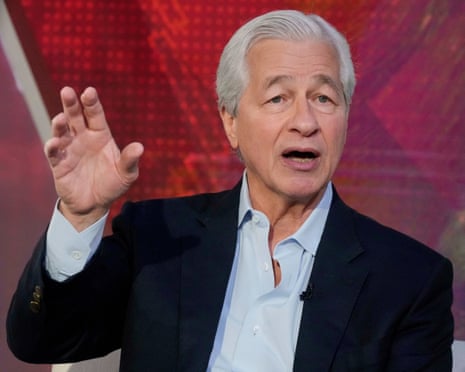
Jamie Dimon has led JPMorgan Chase since 2006 and has become one of the most prominent figures in American banking and finance. Under his tenure, the bank has expanded its influence and profitability, yet his commanding presence in both operational and board governance capacities has increasingly drawn scrutiny from shareholder activists and governance advocates who believe institutional checks and balances have been compromised.
The dual role structure at JPMorgan contrasts with governance practices at many other major financial institutions and corporations, where separating these positions has become increasingly common. Supporters of the resolution contend that distinct leadership positions would strengthen the board's independence and create a more balanced power dynamic that better serves shareholders' long-term interests and company accountability.
Glass Lewis, in its formal recommendation to investors, emphasized the importance of corporate governance standards and the need for boards to maintain operational independence from executive management. Similarly, ISS highlighted governance best practices that suggest separating the chair and CEO roles reduces potential conflicts and enhances oversight mechanisms, which become particularly important in large financial institutions managing significant systemic risks.
The shareholder proposal represents the latest manifestation of ongoing tension between activist investors seeking stronger governance guardrails and JPMorgan's leadership, which has defended the current structure as effective and beneficial. The bank's management has previously argued that Dimon's unified leadership has contributed to the institution's strong financial performance and stability, particularly during periods of market stress.
This governance challenge arrives as JPMorgan continues to navigate a complex regulatory environment and heightened scrutiny regarding its risk management practices. The outcome of the shareholder vote will provide important signals about investor sentiment regarding corporate leadership structures and the degree to which large institutional shareholders prioritize governance reforms over operational continuity.
The proxy advisory firms' recommendations carry substantial weight in shareholder voting outcomes, as many large pension funds and asset managers rely on their guidance when making voting decisions. Their joint endorsement of the resolution significantly increases the likelihood of a meaningful vote tally in favor of separating the positions, potentially creating pressure on JPMorgan's board to address the governance concern even if the resolution passes without achieving binding status.
The debate surrounding JPMorgan's leadership structure reflects broader discussions within corporate America about executive accountability and the effectiveness of modern governance frameworks. As institutional investors increasingly prioritize environmental, social, and governance (ESG) considerations, questions about board independence and leadership separation have become central to investment decision-making processes at many major funds.
Industry observers note that the timing of this shareholder resolution demonstrates the growing influence of governance activists in shaping corporate practices at the nation's largest and most important financial institutions. While JPMorgan's historical success under Dimon's leadership cannot be disputed, shareholders are increasingly questioning whether concentrated power structures adequately serve modern corporate governance standards and risk management protocols.
The May 19 annual meeting will test whether investor coalitions supporting governance separation can overcome institutional inertia and corporate resistance to fundamental structural changes. Regardless of the immediate voting outcome, the prominence of this issue signals a meaningful shift in how shareholders evaluate executive accountability and leadership separation at America's most systemically important financial institutions.
Beyond the immediate corporate governance implications, this shareholder activism highlights broader questions about executive compensation, accountability, and the balance of power between boards and senior management. As the financial services sector continues to operate under intense regulatory scrutiny and public scrutiny, questions about governance effectiveness have moved from peripheral concerns to central issues shaping investor engagement strategies.
The outcome of this shareholder resolution will likely influence governance discussions at other major financial institutions and corporations where similar power concentrations exist. If investors demonstrate strong support for separating leadership roles at JPMorgan, comparable resolutions may gain traction at other major corporations, potentially accelerating broader governance reforms across the business landscape.
Source: The Guardian


