
Judge Allows Gun Evidence in Luigi Mangione Trial

A judge rules that a firearm and written materials found with Luigi Mangione will be admissible as evidence in his New York murder trial, while other items are excluded.
In a significant ruling that could shape the trajectory of the high-profile case, a judge has determined that gun evidence and written materials discovered with Luigi Mangione will be permitted for use during his New York murder trial. The decision marks an important legal milestone in the prosecution's efforts to build their case against the defendant, who faces serious charges related to a prominent incident that captured national attention.
The firearms evidence in question was recovered when Mangione was apprehended at a Pennsylvania McDonald's location, establishing a crucial link between the suspect and the alleged crime. Prosecutors have argued that the gun is central to their case and that the written materials provide critical context regarding the defendant's state of mind and potential motivations. The judge's ruling validates the prosecution's position that this evidence is both relevant and admissible under applicable rules of evidence.
However, the court imposed important limitations on what investigators can present. The judge ruled that other items discovered during Mangione's arrest at the fast-food establishment will not be permitted in court proceedings. These excluded materials likely include personal effects that the defense successfully argued were either irrelevant to the central charges or potentially prejudicial to a fair trial. Such exclusions are common in criminal proceedings, where judges must balance the prosecution's need for evidence against the defendant's right to a fair hearing.
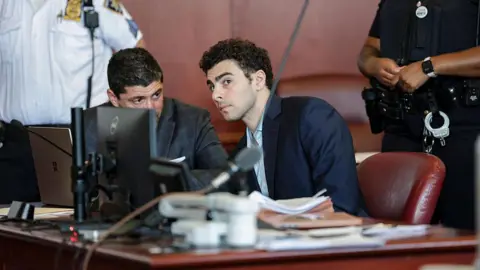
The admissibility ruling represents a critical juncture in what has become one of the most closely watched criminal cases in recent memory. Legal experts have noted that the ability to introduce the firearm as evidence substantially strengthens the prosecution's position, as physical evidence typically carries significant weight with juries. The gun itself could establish a direct connection between Mangione and the crime scene, potentially corroborating witness testimony and forensic evidence.
The written materials that will be allowed in court could prove equally significant from a prosecutorial standpoint. Such documents often provide insight into a defendant's thoughts, intentions, and planning, and may establish a narrative that supports the prosecution's theory of the case. Defense attorneys, however, will likely seek to challenge the interpretation of these writings and argue alternative explanations for their content during the trial proceedings.
The decision came after extensive legal briefing from both sides, with defense counsel arguing that certain evidence should be excluded as irrelevant or overly prejudicial. Legal proceedings of this nature often involve complex debates about what constitutes admissible evidence under the rules governing criminal trials. The judge's nuanced approach—accepting some evidence while excluding other items—reflects the careful balancing act required in such high-stakes litigation.

The Pennsylvania McDonald's location where Mangione was arrested has become a focal point in the investigation and subsequent legal proceedings. Law enforcement officials have maintained that the circumstances of his arrest, including the items found in his possession, provided crucial leads that advanced the investigation. The judge's ruling essentially validates the prosecution's assertion that the evidence recovered at that location is probative and should inform the jury's evaluation of the charges.
Both the prosecution and defense are now preparing for trial with this ruling in place. The prosecution can move forward with plans to present the firearm and written materials as centerpieces of their case, while the defense must adjust their strategy accordingly. Legal analysts suggest that the defense will likely focus on challenging the interpretation of the written materials and raising questions about how the gun evidence should be weighted against other factors in the case.
The trial proceedings are expected to draw continued media attention and public interest, given the circumstances of the alleged crime and the defendant's arrest. The judge's evidentiary rulings will significantly influence how the case unfolds and what narrative emerges during testimony. Each ruling in the pre-trial phase effectively shapes the landscape upon which the actual trial will be contested.
As the case moves forward, additional motions may be filed by either side seeking to exclude or include other categories of evidence. The criminal defense team is likely reviewing all aspects of the evidence collection and chain of custody to identify potential vulnerabilities in the prosecution's presentation. Standard legal practice in cases of this magnitude involves thorough examination of how evidence was obtained and whether proper procedures were followed.
The judge's willingness to exclude certain items while permitting others demonstrates a commitment to ensuring that the trial will be decided on evidence that is both relevant and legally obtained. This balanced approach is intended to protect the defendant's constitutional rights while allowing the prosecution to present their theory of the case. Such judicial decision-making is fundamental to the integrity of the criminal justice system and public confidence in trial outcomes.
Looking ahead, the admissibility of the gun and written materials will likely become focal points during jury selection and opening statements. Both legal teams will want jurors who can thoughtfully evaluate this evidence in context, and the prosecution will emphasize its significance while the defense attempts to minimize or reframe its meaning. The court's evidentiary ruling has essentially set the parameters for how this critical evidence will be presented and debated.
The broader implications of this ruling extend beyond the immediate case. Murder trial precedents regarding what evidence is admissible influence how future cases are handled and shape prosecutorial and defense strategies across similar matters. The detailed nature of the judge's ruling may serve as a reference point for other courts dealing with comparable situations involving firearms and written materials as evidence in serious criminal cases.
As Mangione's case progresses through the judicial system, this evidentiary ruling will serve as a foundation for the trial itself. The prosecution can now prepare with confidence that their key evidence will be presented to the jury, while the defense must formulate counterarguments and alternative explanations. The ultimate outcome will depend on how effectively each side presents their case and how jurors interpret the admitted evidence in light of all testimony and argumentation presented during trial.
Source: BBC News


