
Judge Releases Jeffrey Epstein's Alleged Suicide Note

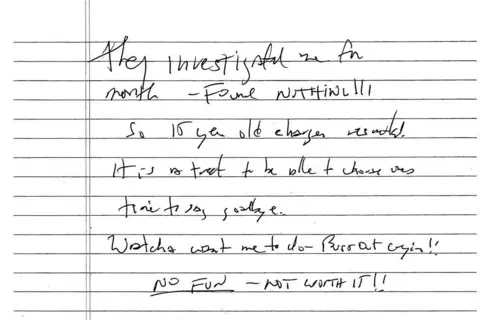
A US judge has released what is purported to be Jeffrey Epstein's suicide note. The document's authenticity remains unverified by independent sources.
A federal judge has ordered the release of a document purporting to be a suicide note allegedly written by Jeffrey Epstein, the disgraced financier and convicted sex offender who died in custody in August 2019. The release of this sensitive material has reignited questions surrounding the circumstances of Epstein's death and continues to fuel ongoing debates about what occurred during his final days in a Manhattan detention facility.
According to reports, Epstein's former cellmate has claimed responsibility for discovering the note, though the authenticity and contents of the document have not been independently verified by major news organizations, including the BBC. The cellmate's involvement in uncovering the note adds another layer of complexity to an already controversial case that has attracted intense scrutiny from legal experts, victims' advocates, and the general public. The veracity of the document remains a subject of considerable dispute among those investigating the circumstances surrounding Epstein's death.
The release of this material comes amid persistent questions about Epstein's death and the conditions under which he was being held at the Metropolitan Correctional Center in New York City. Since his arrest in July 2019 on federal charges related to sex trafficking and abuse of minors, numerous controversies have surrounded his incarceration, including reports of inadequate security measures and possible negligence by correctional staff. The circumstances of his death have prompted multiple investigations and reviews by federal authorities.

Epstein's death was officially ruled a suicide by hanging, though some conspiracy theorists and skeptics have questioned this determination. The autopsy results and official findings have been made public, yet debate continues regarding various aspects of his final hours and whether all protocols were properly followed during his detention. Legal experts have noted that the release of additional materials may help clarify certain aspects of the case, though it may also complicate matters further depending on what the documents reveal.
The federal judge's decision to release the alleged note represents a significant development in one of the most high-profile criminal cases in recent American legal history. Such releases are typically made pursuant to Freedom of Information Act requests or court orders requiring transparency in matters of public interest. The judge appears to have determined that the public's interest in understanding the facts surrounding Epstein's death outweighed other considerations, though significant portions of the broader investigation remain sealed.
This case has drawn massive media attention and public interest given Epstein's connections to numerous prominent individuals across politics, business, entertainment, and academia. The financier's criminal charges involved allegations that he operated a network facilitating the abuse of dozens of underage girls over several decades. His death in custody significantly impacted ongoing investigations and prevented him from standing trial or providing testimony that might have revealed connections to other individuals.
The decision by the judge reflects broader questions about judicial transparency and public access to records in high-profile criminal proceedings. Advocates for transparency argue that releasing such documents helps maintain public confidence in the justice system and ensures accountability. However, critics contend that releasing sensitive materials related to deaths in custody could compromise ongoing investigations or cause additional harm to victims and their families.
Several victims' advocates and legal representatives have expressed mixed reactions to the release of the alleged note. Some believe that transparency regarding Epstein's final communications could provide closure or important information about his state of mind during his final incarceration. Others have urged caution, noting that the authenticity of any such document must be thoroughly verified before drawing conclusions about what it reveals regarding the circumstances of his death.
The alleged suicide note has not yet undergone comprehensive forensic analysis or handwriting verification by independent experts. The document's chain of custody and the circumstances under which it was allegedly discovered by the former cellmate remain subjects requiring clarification. Such verification is essential before any credible conclusions can be drawn about its authenticity or what it may reveal about Epstein's final thoughts.
The broader context surrounding Epstein's death includes significant controversies about his previous detention at the same facility in 2008, when he faced charges that were ultimately resolved through a plea agreement criticized by many as excessively lenient. This history has contributed to skepticism about procedures and oversight within the federal detention system, particularly regarding high-profile inmates and those charged with serious crimes.
Legal observers have noted that the release of additional materials related to Epstein's case may have implications for ongoing civil litigation involving his estate and victims' compensation claims. Multiple lawsuits have been filed by individuals alleging abuse, and questions about the authenticity and contents of various documents could influence how these cases proceed through the courts. The financial and legal ramifications of the Epstein case continue to extend far beyond his death.
Moving forward, the federal judge's decision may prompt similar requests for the release of other sealed materials related to the case. Legal experts anticipate that questions about what documents exist, where they are located, and whether they should be made public will continue to occupy courts' attention. The balance between maintaining investigative integrity and providing public transparency will likely remain contentious.
The case of Jeffrey Epstein continues to represent one of the most significant criminal justice matters in contemporary American legal history. The questions surrounding his death remain topics of intense public interest and ongoing investigation by federal authorities. As additional materials are released and scrutinized, the full scope of what occurred during his detention may gradually become clearer, though significant aspects of the broader investigation remain under seal.
Source: BBC News


