
Judge to Decide Musk vs Altman Tech Feud

A federal judge will oversee the legal battle between Elon Musk and Sam Altman. Discover how this case could reshape the AI industry and tech leadership landscape.
The ongoing legal dispute between Elon Musk and Sam Altman has escalated into one of the most significant tech industry confrontations in recent years, with a federal judge now positioned to determine the final outcome of their contentious battle. This high-stakes litigation represents far more than a simple disagreement between former collaborators—it embodies fundamental questions about intellectual property, corporate governance, and the future direction of artificial intelligence development in the technology sector.
The conflict between these two prominent figures stems from their divergent visions for OpenAI, the artificial intelligence research organization that they co-founded together. Musk, who played a crucial role in establishing the company alongside Altman and others, has leveled serious allegations regarding the company's transformation and strategic decisions. The entrepreneur claims that OpenAI has strayed from its original mission as a nonprofit research entity and has instead become increasingly focused on commercial interests, particularly following its partnership with Microsoft and the development of proprietary technologies like ChatGPT.
The lawsuit filed by Musk's legal team raises multiple complex issues that extend beyond simple contractual disputes. These allegations touch upon matters of intellectual property rights, alleged breaches of founding agreements, and questions about how the organization's resources and technological developments have been allocated. Each side has assembled teams of prominent attorneys and industry experts to support their respective positions, turning this into one of the most closely watched legal proceedings in technology history.
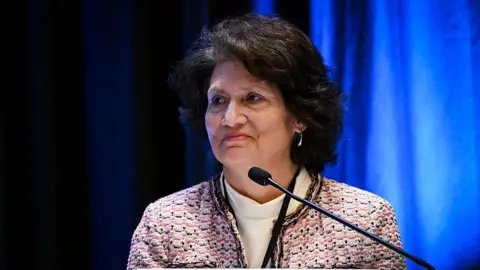
The judge presiding over the case faces the formidable task of interpreting complex technological agreements, evaluating the legitimacy of both parties' claims, and potentially setting precedents that could influence how tech companies structure their partnerships and governance frameworks. The legal proceedings have already consumed substantial resources from both sides, with millions of dollars being spent on litigation, expert testimony, and legal representation. This financial burden reflects the magnitude of the disagreements and the potentially transformative nature of the court's eventual ruling.
Industry observers have noted that the implications of this case extend far beyond the immediate parties involved. The outcome could significantly impact how AI development companies operate, how intellectual property is managed within collaborative research environments, and how corporate governance structures are established in the technology sector. Other companies operating in similar spaces are watching the proceedings closely, as the judge's decisions could establish important legal precedents affecting the entire industry.
The conflict has highlighted underlying tensions that have been brewing within the artificial intelligence community for some time. Questions about transparency, profit motives versus research integrity, and the appropriate role of commercial interests in scientific advancement have all been brought to the forefront by this dispute. These broader discussions have resonated with tech industry stakeholders, policymakers, and the general public, all of whom are interested in understanding how cutting-edge technology companies should be governed and operated.

Musk's allegations have sparked considerable debate within the tech community about whether OpenAI has maintained its commitment to developing AI safely and responsibly. The company's evolution from a nonprofit research organization to a structure that includes both nonprofit and for-profit arms has been a point of particular contention. Musk has argued that this transformation represents a fundamental betrayal of the organization's original principles and objectives, while Altman and OpenAI's leadership have defended the structural changes as necessary for advancing their mission and securing resources for cutting-edge research.
The legal arguments in the case are multifaceted and technically sophisticated. Both sides have presented detailed documentation, expert witness testimonies, and technical analyses to support their positions. Musk's legal team has focused on demonstrating that specific agreements were violated and that the company's current trajectory contradicts its founding charter. Meanwhile, OpenAI and Altman's representatives have argued that the company's evolution was appropriate, necessary, and completely within the bounds of existing agreements and corporate governance practices.
Financial stakes in the litigation are enormous, with estimates suggesting that the dispute could involve hundreds of millions of dollars in potential damages, intellectual property valuation, and control over technological assets. The judge's rulings on various preliminary motions have already begun to shape the trajectory of the case, with decisions regarding document discovery, expert witness qualifications, and admissibility of evidence all influencing how the case will ultimately be adjudicated.
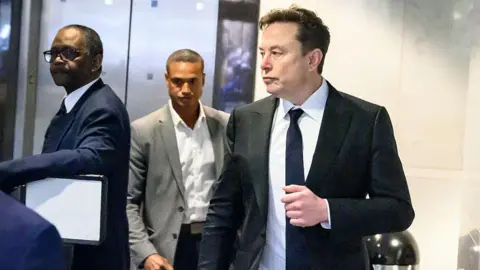
The media attention surrounding this dispute has been intense, with technology news outlets, mainstream news organizations, and industry publications all covering the developments extensively. This visibility has amplified the stakes of the litigation, as public perception and industry reputation have become important considerations for both parties. The way the case unfolds in court could significantly influence how Musk and Altman are perceived by investors, potential business partners, and the broader technology community.
Timeline considerations have become increasingly important as the legal process moves forward. The judge must balance the need for thorough examination of evidence and arguments with the practical necessity of bringing the case to resolution within a reasonable timeframe. Extended litigation could continue to distract both parties from their other business interests and potentially delay important developments in the AI field that might otherwise advance more rapidly without this ongoing legal conflict.
The broader implications of this case for the technology industry cannot be overstated. How courts interpret agreements related to intellectual property, nonprofit governance, and corporate transformation in the technology sector will likely influence how future companies structure their operations and partnerships. This case may establish important precedents that guide the formation and management of AI companies for years to come, making the judge's decisions potentially consequential for the entire field.
As the litigation continues, both Musk and Altman remain focused on their respective business interests outside of this dispute. Musk continues his work with Tesla, SpaceX, and other ventures, while Altman remains CEO of OpenAI, overseeing the continued development of advanced language models and AI technologies. However, the ongoing legal battle undoubtedly diverts attention and resources from these efforts, underscoring the significant cost of the feud beyond merely financial considerations.
The judge's eventual ruling will likely be thoroughly analyzed and debated throughout the technology industry and in legal circles. Whether the decision favors Musk's allegations regarding breaches of founding principles or supports OpenAI and Altman's defense of their corporate evolution, the precedent set will reverberate through the industry. Tech companies, investors, and legal professionals will carefully study the judge's reasoning and rationale, applying those insights to their own corporate governance decisions and contractual arrangements.
Ultimately, this dispute serves as a cautionary tale about the potential for disagreements between founders and leaders in rapidly evolving technology companies. The case highlights the importance of clear agreements, transparent communication, and aligned visions when establishing collaborative ventures in industries as complex and fast-moving as artificial intelligence. The judge's final determination will provide closure to this particular conflict while potentially reshaping how similar disputes are understood and resolved in the technology sector going forward.
Source: BBC News


