
Jury Dismisses Musk's Lawsuit Against OpenAI

A jury has rejected Elon Musk's legal case against OpenAI and Sam Altman after weeks of trial proceedings. Learn what led to the verdict.
In a significant development in one of the tech industry's most closely watched legal battles, a jury has rejected Elon Musk's lawsuit against OpenAI and its chief executive officer Sam Altman. The decision came after jurors spent nearly four weeks meticulously examining evidence, hearing testimony from both sides, and reviewing extensive documentation presented throughout the high-profile trial. The verdict marks a major turning point in a dispute that has captured the attention of technology executives, legal experts, and industry observers worldwide.
Musk had brought the case forward with allegations that centered on accusations of "stealing a charity," claiming that Altman and OpenAI had misappropriated intellectual property and resources that Musk contended belonged to a charitable organization. The lawsuit represented an escalation of tensions between Musk and the leadership at OpenAI, the artificial intelligence company that Musk helped co-found in 2015 but from which he stepped down from the board in 2018. The legal action underscored the growing complexities and disputes that have emerged within the rapidly evolving artificial intelligence sector.
Throughout the trial, Musk's legal team presented arguments designed to demonstrate that Altman and OpenAI had engaged in improper conduct related to charitable assets. They introduced various pieces of evidence meant to support their claims about the alleged misappropriation. The prosecution built their case through witness testimony, documentary evidence, and expert analysis intended to substantiate the accusations against the defendant and the organization.
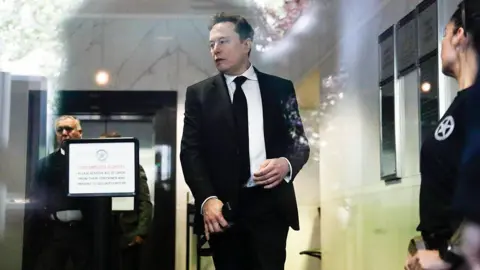
The defense mounted by OpenAI and Altman focused on refuting the core allegations, arguing that no impropriety had occurred and that the claims lacked sufficient factual foundation. Their legal representatives challenged the evidence presented by Musk's team and provided counter-arguments addressing each major assertion raised throughout the proceedings. The defense strategy emphasized the distinction between Musk's involvement with OpenAI's founding and his subsequent departure from the organization's governance structure.
The jury's decision to reject Musk's case represents a validation of the defense's position on the key issues in dispute. Jurors deliberated carefully before reaching their verdict, weighing all testimony, exhibits, and legal instructions provided by the presiding judge. The conclusion that the jury reached suggests they found the evidence insufficient to support Musk's allegations regarding the charitable asset claims that formed the foundation of his lawsuit.
This outcome carries significant implications for Musk, who has been involved in numerous high-profile legal disputes in recent years. The rejection of his case against OpenAI and Altman adds to a pattern of mixed results in his various litigations. For OpenAI and Altman specifically, the verdict provides legal vindication and removes a substantial cloud of uncertainty that had hung over the company during the proceedings.

The trial had attracted considerable media attention due to the prominence of the individuals involved and the questions it raised about governance, intellectual property, and ethical conduct within the technology industry. Legal analysts had closely monitored the proceedings, recognizing that the outcome could potentially establish precedents relevant to similar disputes in the tech sector. The case also highlighted tensions that have emerged within the artificial intelligence community regarding ownership, control, and the appropriate use of charitable and corporate resources.
Beyond the immediate parties involved, the verdict may have broader implications for how disputes between technology founders and the organizations they establish are handled in the legal system. The case examined issues surrounding the obligations of corporate leaders to their companies, the ownership of intellectual property generated by organizations, and the proper treatment of charitable assets that may be connected to business ventures.
Looking forward, the dismissal of Musk's lawsuit appears to conclude this particular legal dispute between the parties, though it remains uncertain whether Musk might pursue additional appeals or take other legal action. For OpenAI, the verdict allows the organization to move forward without the distraction and costs associated with defending against Musk's allegations. The company continues to develop its artificial intelligence capabilities and expand its commercial operations.
The relationship between Musk and OpenAI has been complex and often contentious since Musk's departure from the board. Musk has been critical of OpenAI's strategic direction, particularly its transformation from a non-profit organization to a for-profit enterprise, and its partnership with Microsoft. These public criticisms had preceded the lawsuit and reflected deeper disagreements about how the artificial intelligence company should be structured and operate.
The jury's rejection of Musk's legal claims suggests that jurors found the arguments about charitable asset misappropriation unconvincing or insufficiently supported by the evidence presented. This finding may indicate that the boundary between Musk's personal interests and OpenAI's organizational assets was not as clear-cut as Musk's legal team had argued, or that the evidence did not adequately demonstrate the alleged impropriety.
Industry observers have noted that this case represents one of several legal battles involving major technology figures and the companies they founded or invested in. The proliferation of such disputes has led to increased scrutiny of governance practices, contractual arrangements, and the proper handling of assets within technology organizations. Courts and juries increasingly must grapple with complex technical and business issues that arise in cases involving innovative companies.
The verdict may also influence how other potential disputes in the technology sector are evaluated and resolved. It demonstrates that even high-profile figures with significant resources and media platforms cannot necessarily prevail in litigation based on allegations alone, and that juries carefully consider the evidence and arguments presented from both sides. The decision reinforces the importance of substantive proof and compelling evidence in technology litigation.
As the artificial intelligence industry continues to expand and evolve, questions about intellectual property ownership, governance structures, and the proper use of resources will likely remain important topics. The resolution of the Musk versus OpenAI and Altman case provides some clarity on how courts will evaluate such disputes, though the rapidly changing nature of the technology sector means that new legal questions will undoubtedly emerge.
The jury's decision to reject Musk's lawsuit marks the conclusion of a significant chapter in the ongoing narrative of OpenAI's development and the complex relationships between its various stakeholders. Going forward, both Musk and OpenAI can move past this particular legal conflict, though the underlying tensions and disagreements about the company's direction and structure will likely persist in the court of public opinion and industry discourse. The case serves as a reminder that even prominent technological innovators must ultimately answer to the legal system when making claims against others.
Source: BBC News


