
Kanye West Loses Major Copyright Lawsuit Over Uncleared Sample

Ye ordered to pay six figures after using uncleared sample at Atlanta stadium listening party. Court rules against rapper in copyright infringement case.
In a significant legal setback for the artist formerly known as Kanye West, a federal court has ruled against him in a copyright infringement lawsuit centered on an uncleared musical sample used during a high-profile stadium event. The case highlights ongoing tensions in the music industry surrounding proper licensing procedures and sample clearance protocols that producers and artists are required to follow when incorporating existing musical material into their work.
The dispute traces back to July 2021, when Ye organized an exclusive listening party at Atlanta's iconic Mercedes-Benz Stadium to debut his highly anticipated album "Donda" to approximately 40,000 fans. During this star-studded event, the artist performed his track "Hurricane," which featured a sampled instrumental that had not been properly licensed or cleared by the original creators. This procedural oversight would ultimately become the crux of the legal action brought against the rapper by the sample's rightful owners.
The musical composition at the center of the controversy is titled "MSD PT2," an instrumental piece created collaboratively by four talented musicians: Khalil Abdul-Rahman, Sam Barsh, Josh Mease, and Dan Seeff. These producers originally composed the instrumental in 2018, years before it would become entwined in the Donda album project. The track eventually reached Ye's production team through an intermediary producer, but according to court documents and testimony, the necessary licensing agreements were never obtained from the original creators.
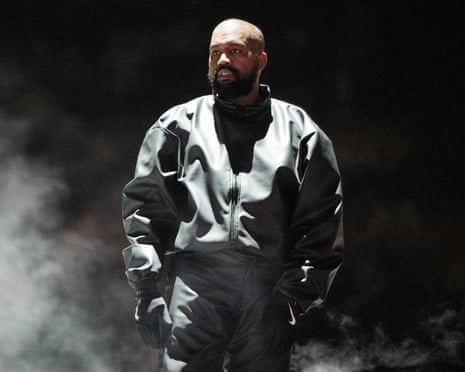
The four plaintiffs pursued legal action after discovering their work had been featured in such a prominent and commercially significant context without their knowledge or consent. Their legal team argued that the unauthorized use of their instrumental composition constituted a clear violation of copyright law and that Ye should be held financially responsible for the infringement. The case proceeded through the court system with both sides presenting evidence regarding the use of the sample and the failure to obtain proper clearance.
According to court filings, the listening party was a major media event that generated substantial buzz within the music industry and among fans. The event was televised and livestreamed, reaching far beyond the stadium's physical attendance and significantly amplifying the exposure and reach of the music featured during the performance. This widespread distribution of the copyrighted material without authorization strengthened the plaintiffs' argument that the infringement caused demonstrable harm to their intellectual property rights and commercial interests.
The judgment delivered by the court requires Ye to pay a six-figure settlement to the four musicians who successfully established their copyright claim. While the exact amount remains subject to confidentiality agreements, the settlement represents a substantial financial penalty that underscores the court's position on the severity of the unauthorized sample usage. The ruling sets an important precedent regarding the responsibilities of major artists and producers to obtain proper clearance before incorporating existing musical material.
Industry experts note that this case serves as a cautionary tale for other musicians and producers in the contemporary music landscape. Sample clearance is a complex but essential process that requires obtaining permissions from both the original recording owners and the music publishers who control composition rights. Despite being a well-documented requirement within the music business, clearance violations continue to occur, particularly among high-profile artists who may underestimate the legal and financial consequences of such oversights.
The Donda album, which debuted the problematic track, went on to become one of the most commercially successful releases of 2021, generating millions in revenue across streaming platforms and physical sales. This commercial success may have influenced the court's determination of damages, as the unauthorized use directly benefited Ye financially through the album's promotion and sales. The connection between the infringement and the album's commercial performance was a key factor in establishing the appropriate compensation level.
For the four musicians whose instrumental was used without permission, the lawsuit victory provides both legal vindication and financial compensation for the unauthorized exploitation of their creative work. Their successful case demonstrates that even well-established artists with significant resources are not above the law when it comes to copyright protection. The ruling affirms that independent creators retain full control over their work and deserve proper compensation when their creations are incorporated into commercial projects.
The case also reflects broader industry changes regarding sample clearance procedures and digital rights management. Modern technology has made tracking the origins of musical samples increasingly sophisticated, allowing original creators to more easily identify and document unauthorized use of their work. This technological advancement has emboldened independent musicians and producers to pursue legal action against infringements that might have previously gone undetected or unaddressed.
Moving forward, the ruling serves as a reminder to all artists, regardless of their status or resources, of the paramount importance of obtaining proper clearance and licensing agreements before incorporating sampled material into their work. The music licensing landscape continues to evolve, with industry organizations and rights management bodies increasingly vigilant about protecting creators' intellectual property. Major labels and independent artists alike are investing more resources into clearance processes to avoid costly litigation similar to the situation faced by Ye.
The Donda listening party itself became a cultural moment, with significant media coverage and fan engagement that extended well beyond the initial Atlanta event. However, this high-profile nature ultimately worked against Ye in the legal proceedings, as the widespread reach of the unauthorized sample usage amplified the perceived harm to the original creators. The case demonstrates how contemporary events can generate both massive exposure and substantial legal liability simultaneously in today's interconnected media environment.
This ruling joins a growing body of copyright infringement cases in the music industry that have resulted in significant financial penalties for unauthorized sample usage. Previous high-profile cases have established that even unintentional infringements can result in substantial liability, leading many major artists to implement more rigorous internal review processes. The industry has gradually shifted toward greater accountability and respect for original creators' rights, though violations continue to occur.
The settlement reached in this case remains binding, and both parties have moved forward following the resolution. For Ye, the lawsuit represents one of several legal challenges faced during his career, though it stands out as a clear-cut case of copyright infringement rather than more ambiguous intellectual property disputes. The outcome underscores that regardless of an artist's fame, wealth, or influence, copyright law applies equally and violations carry real financial consequences that courts are willing to enforce vigorously.


