
Kash Patel Denies Drinking Allegations in Senate Hearing

FBI director Kash Patel dismisses excessive drinking and absence claims as 'baseless' during heated Senate testimony. Democrats challenge him over Atlantic report allegations.
FBI Director Kash Patel appeared before the Senate on Tuesday to address mounting allegations regarding his conduct in office, vehemently denying claims of excessive drinking and unexplained absences that have dominated recent news cycles. During an intense and often contentious hearing, Patel sought to clear his name by characterizing the accusations as completely unfounded and politically motivated. The embattled director's testimony came after investigative reporting raised serious questions about his fitness for the position, prompting lawmakers from both sides of the aisle to demand answers.
The Senate hearing witnessed heated exchanges between Patel and Democratic senators who pressed him on the details of allegations originally published in the Atlantic magazine. Democrats argued that if the reported conduct were true, it would constitute what they described as a "gross dereliction" of duty for someone holding such a critical national security position. Patel repeatedly denied the charges under oath, stating that the allegations were "baseless" and represented what he called a "total farce" orchestrated by political opponents seeking to undermine his leadership at the Federal Bureau of Investigation.
The allegations that sparked the hearing had painted a concerning picture of an FBI director who was frequently unavailable during critical moments and whose judgment may have been compromised by personal issues. Democrats specifically referenced what they characterized as "extremely alarming" reports regarding Patel's work ethic and professional conduct, pointing to instances of unexplained absences from the bureau's headquarters. These claims raised serious concerns among lawmakers about whether the nation's top law enforcement official was adequately performing his constitutional duties during a time of heightened national security challenges.
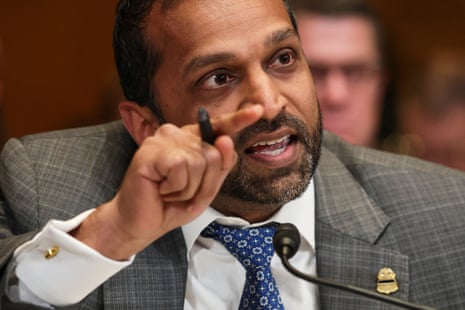
Throughout the hearing, Patel maintained his composure despite the aggressive questioning, systematically addressing each allegation presented by Senate Democrats. He characterized the Atlantic's reporting as sensationalized and argued that the publication had failed to reach out for comment or substantiate its claims before publication. The FBI director's legal team had prepared extensive documentation that he presented to the committee, attempting to provide concrete evidence refuting the accusations about his availability and professional conduct over the relevant time period.
Senator after senator took turns questioning Patel about specific incidents mentioned in the Atlantic report, asking him to provide detailed explanations for dates when he was allegedly absent from headquarters without official authorization. Patel responded by providing what he characterized as the "true narrative" behind these instances, explaining that many of his absences were related to authorized travel, security briefings at other government facilities, or classified national security matters that he could not discuss in an open hearing. He emphasized that his actual work schedule and commitments had been grossly misrepresented by the media outlet.
The Democratic members of the committee expressed particular concern about the implications of the allegations if substantiated, noting that the FBI's leadership role carries exceptional responsibility during an era of heightened international terrorism threats and cyber warfare concerns. They questioned whether Patel had the judgment, reliability, and dedication necessary to oversee an agency with tens of thousands of employees and an annual budget exceeding $9 billion. Several Democrats called for an independent investigation into the allegations, arguing that the American public deserved to know the truth about their top federal law enforcement official's conduct and reliability.
Patel's response to the Democratic challenges included pointed criticism of what he described as a coordinated effort to damage his reputation through selective reporting and media leaks. He suggested that political adversaries who opposed his appointment to the FBI directorship were using unverified claims to undermine his authority and credibility. The FBI director argued that his record of public service, both at the agency and in previous government positions, demonstrated his commitment to the nation and his ability to handle the responsibilities of his current role with integrity and professionalism.
Republican senators on the committee largely defended Patel during the hearing, with several expressing skepticism about the Atlantic's reporting methodology and sources. They questioned whether the magazine had engaged in responsible journalism or had instead published allegations based on anonymous sources and hearsay without adequate corroboration. GOP committee members suggested that the timing of the story—coming during a period of political tension—appeared designed to damage Patel's standing rather than to uncover genuine wrongdoing or failures in his performance of official duties.
The Atlantic allegations centered on reports from unnamed sources within and outside the FBI who claimed to have witnessed concerning behavior from Patel on multiple occasions. These sources reportedly described instances where the FBI director appeared to be under the influence while making important decisions, as well as periods when he was unavailable for critical briefings or meetings. The magazine's investigation also raised questions about whether Patel's absences had compromised the agency's ability to respond effectively to urgent national security matters during his tenure as director.
Throughout the nearly five-hour hearing, Patel's testimony demonstrated his determination to protect his reputation and defend his leadership of the FBI against what he characterized as politically motivated attacks. He provided specific examples of his work accomplishments, pointing to operational successes and initiatives he had undertaken since assuming the directorship. Patel argued that his track record should speak for itself and that the unsubstantiated allegations should not overshadow the concrete contributions he had made to the bureau's mission and effectiveness.
The hearing concluded without any immediate resolution, with committee leadership indicating that further investigation into the allegations might be warranted. Democrats promised to conduct their own inquiry into the matter, while Republicans called for the committee to focus on other pressing national security concerns. The path forward remained uncertain as the controversy surrounding the FBI director appeared likely to continue dominating political discourse in the coming weeks and months, with potential consequences for both Patel's tenure and broader questions about oversight of federal law enforcement.
Political analysts suggested that the hearing represented a significant test of Patel's ability to weather sustained criticism and maintain support among key lawmakers whose votes would be essential if any formal removal proceedings were ever initiated. His performance during the testimony would likely influence whether calls for his resignation or removal gain additional traction among moderate senators from both parties. The coming days would prove crucial in determining whether the allegations would ultimately fade from public attention or instead escalate into a more serious political and institutional crisis affecting the FBI's leadership stability.
Source: The Guardian


