
Kenya's Gang Crisis: Political Violence Fears Rise

Over 100 gangs operate across Kenya as political thuggery intensifies. Authorities battle organized crime amid growing election violence concerns.
Kenya faces an escalating security crisis as more than 100 organized gangs operate across the nation, prompting widespread concerns about the weaponization of street violence for political purposes. The proliferation of gang violence in Kenya has become increasingly intertwined with political activities, creating a volatile environment that threatens the stability of the country's democratic institutions and public safety infrastructure. Security analysts and government officials are sounding alarms about the systematic recruitment of gang members by political operatives, transforming criminal organizations into potential instruments for election-related intimidation and violence.
The expansion of organized crime networks across Kenya's urban and semi-urban centers has created an unprecedented challenge for law enforcement agencies already stretched thin by resource limitations and jurisdictional complexities. Gang leaders command significant followings in their respective territories, wielding influence that extends beyond traditional criminal activities into the political sphere. Intelligence reports suggest that political actors at various levels have begun engaging with these criminal organizations, offering monetary incentives and protection in exchange for mobilizing gang members during critical electoral periods.
Citizens and civil society organizations express growing anxiety about the potential for large-scale political violence ahead of upcoming electoral cycles. The combination of political thuggery and organized gangs creates a dangerous scenario where legitimate political competition could devolve into street-level violence orchestrated by criminal elements. Communities in gang-dominated areas report increased intimidation, with residents fearful of traveling freely and participating in normal civic activities.
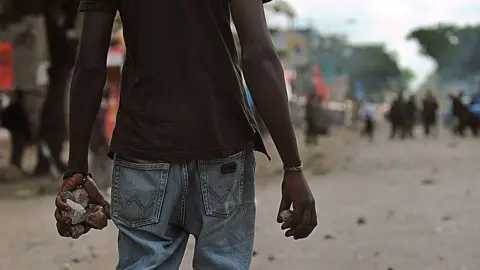
Law enforcement agencies have intensified their efforts to disrupt gang operations and prevent their politicization, though progress remains limited by various obstacles. The Kenyan security forces have launched targeted operations against known gang hideouts and criminal networks, attempting to dismantle command structures and disrupt supply chains for weapons and illicit goods. However, the sheer number of gangs and their entrenched presence in specific communities make complete eradication virtually impossible with current resources and strategies.
The economic factors driving gang recruitment remain largely unaddressed, with youth unemployment and poverty continuing to serve as primary motivators for joining criminal organizations. Young people in marginalized communities see gang membership as a viable economic option when legitimate employment opportunities remain scarce. This persistent structural inequality provides a continuous supply of potential recruits for gang leaders seeking to expand their operations and influence.
Political leaders from different parties have publicly condemned the use of gangs for political purposes, though critics argue these denunciations ring hollow given evidence of involvement by politicians at various government levels. The political violence prevention becomes complicated when allegations of complicity implicate elected officials and party hierarchies. Establishing clear accountability for politicians who engage with criminal organizations has proven challenging due to weak enforcement mechanisms and the difficulty of gathering concrete evidence.
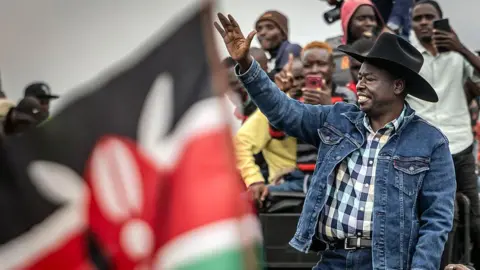
International observers and human rights organizations have urged Kenya to take comprehensive action to address the intersection of criminal gangs and political violence. The international community recognizes that Kenya's stability has regional implications, particularly given the country's role as a major economic and political hub in East Africa. Foreign governments and multilateral institutions have offered technical assistance and resources to support Kenya's law enforcement and judicial institutions in combating organized crime.
The judiciary has begun prosecuting cases related to gang-related violence and organized crime, establishing some precedents for holding perpetrators accountable. However, court backlogs and limited investigative capacity constrain the speed and effectiveness of justice system responses. Victims of gang violence often wait months or years for their cases to reach trial, during which time witnesses may be intimidated or killed.
Community-based initiatives have emerged in some neighborhoods as residents attempt to reclaim their areas from gang control through grassroots organizing and youth rehabilitation programs. These local efforts focus on providing alternative pathways for at-risk youth and reducing the appeal of gang membership through economic empowerment and social support. Civil society organizations partner with community leaders to implement violence prevention strategies tailored to local contexts and dynamics.
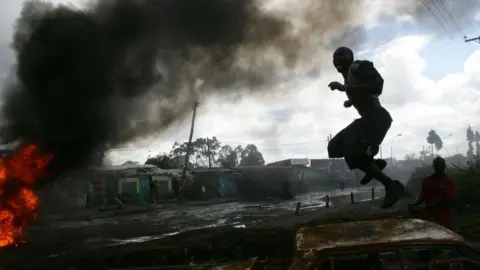
The role of weapons proliferation in Kenya significantly amplifies the lethality of gang conflicts and political violence scenarios. Small arms and ammunition flow into Kenya through porous borders, particularly from conflict zones in neighboring Somalia and South Sudan. The availability of firearms transforms what might otherwise be street-level disputes into deadly confrontations with serious casualty counts.
Government authorities acknowledge the need for a multifaceted approach combining law enforcement, economic intervention, and political reform to address the gang crisis effectively. Initiatives to create employment opportunities, particularly in gang-dominated communities, are being discussed as part of long-term prevention strategies. Additionally, efforts to strengthen democratic institutions and increase transparency in political party funding may help reduce incentives for politicians to engage with criminal organizations.
As Kenya approaches electoral periods, heightened vigilance and preventive measures become increasingly important to ensure that democratic processes proceed without excessive violence or intimidation. Election officials, security forces, and international observers prepare contingency plans to monitor for signs of organized political violence and respond rapidly if necessary. The challenge remains substantial, but sustained commitment to addressing both the root causes of gang membership and the political enablers of organized crime offers the best prospect for reducing violence and protecting Kenya's democratic future.

Source: BBC News


