
Kevin Warsh Confirmed as Fed Chair by Razor-Thin Senate Vote

Kevin Warsh narrowly confirmed as Federal Reserve chair in historically tight Senate vote. Details on confirmation margin and implications for monetary policy.
Kevin Warsh has been confirmed as the next Chair of the Federal Reserve following one of the closest confirmation votes in the history of the position. The Senate vote represented a historically narrow margin of approval, underscoring the significant political divisions surrounding the appointment and raising important questions about the future direction of American monetary policy.
The confirmation of Warsh marks a pivotal moment in the leadership of the nation's central banking system. As Federal Reserve chair, Warsh will assume responsibility for guiding interest rate decisions, managing inflation concerns, and steering the economy through an increasingly complex financial landscape. His appointment comes at a time when the Federal Reserve faces mounting pressure from multiple political quarters regarding its policy direction and independence.
Warsh's narrow confirmation reflects the contentious nature of his nomination and the deep partisan divisions that currently characterize the Senate. The extremely tight margin by which he secured approval demonstrates that his selection was far from a consensus choice among lawmakers, with many senators expressing reservations about his qualifications, experience, or policy positions.
The Senate confirmation vote required extensive deliberation and debate, with colleagues on both sides of the aisle presenting competing arguments about Warsh's suitability for the role. Supporters highlighted his previous experience at the Federal Reserve and his expertise in financial markets, while critics raised concerns about his potential approach to economic policy and regulatory matters.
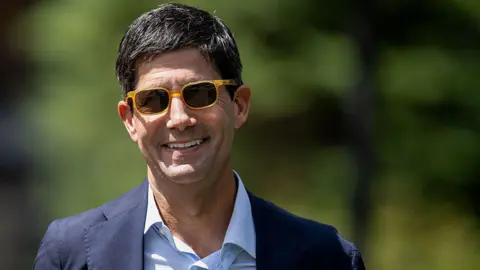
Warsh brings a distinctive background to the role, having previously served as a Federal Reserve governor during the George W. Bush administration. His tenure at the Fed provided him with substantial experience navigating complex economic crises and developing monetary policy responses to financial emergencies. This prior experience positioned him as a candidate with concrete knowledge of the institution's operations and decision-making processes.
The confirmation process itself generated considerable debate about the qualifications necessary for leading the Federal Reserve and the appropriate role of central banking in the modern economy. Various senators used the hearings as an opportunity to discuss broader economic concerns, including inflation management, employment levels, and the Fed's relationship with elected officials.
This historic confirmation represents a significant moment for central bank leadership in the United States. The Federal Reserve chair position carries immense influence over economic conditions affecting millions of Americans, making the selection process consequential for national economic policy. The narrowness of Warsh's approval suggests that his tenure will likely be closely watched and subject to continued scrutiny from Congress.
The margin of confirmation is particularly notable when compared to historical precedents for Fed chair appointments. Typically, Federal Reserve leadership positions have enjoyed broader support in the Senate, with most chairs confirmed by more substantial majorities. Warsh's narrow approval indicates a departure from this historical pattern and reflects changing political dynamics surrounding monetary policy.
Looking forward, Warsh's leadership of the Federal Reserve will undoubtedly face scrutiny regarding his policy decisions on interest rates and economic regulation. The close confirmation vote means that he will take the helm with awareness that a significant portion of the Senate harbored doubts about his appointment, potentially affecting the political environment in which he operates.
The confirmation also raises questions about the future of Federal Reserve independence and the appropriate balance between central bank autonomy and congressional oversight. As elected officials increasingly engage with monetary policy decisions, the Fed chair position becomes more politically charged, a dynamic evident in Warsh's narrow approval by the Senate.
Warsh's confirmation comes at a time when the nation's economic outlook remains uncertain, with ongoing concerns about inflation, interest rates, and employment. His leadership during this pivotal period will test his crisis management abilities and commitment to the Fed's dual mandate of price stability and maximum employment.
The historical significance of this narrowest confirmation margin for a Federal Reserve chair cannot be overstated. It reflects broader conversations in American politics about economic policy, central banking authority, and the proper functioning of financial institutions. The Senate's near-split decision indicates that Warsh's vision for the Fed remains controversial among lawmakers with different economic philosophies.
As Warsh assumes his new responsibilities, he will inherit a Federal Reserve navigating complex economic challenges and heightened political attention. His confirmed appointment ensures continuity in central bank leadership while also signaling that significant political debate surrounds the direction of American monetary policy moving forward into the future.
Source: BBC News


