
Kim Kardashian's Met Gala Breastplate: London Design Team Behind the Armor

Discover how London designers Whitaker Malem created Kim Kardashian's iconic orange fibreglass breastplate for the Met Gala with pop art sculptor Allen Jones.
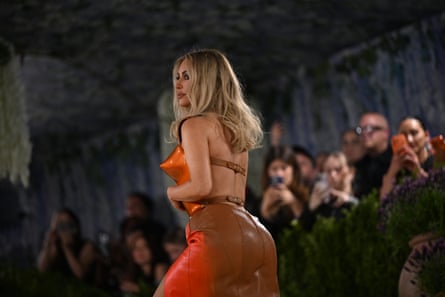
The Met Gala has long been a stage for fashion's most audacious moments, but this year's event delivered an unexpected artistic statement when Kim Kardashian arrived in an eye-catching orange fibreglass breastplate that immediately became the evening's most talked-about ensemble. Rather than collaborating with a major fashion house as she typically does, the reality television icon partnered with a small but innovative east London art and design duo named Whitaker Malem, along with an unexpected collaborator: a specialized car bodyshop located in Kent. This unconventional partnership would ultimately produce one of the Met Gala's most striking and conversation-starting looks.
The breastplate was conceived as a direct response to the gala's carefully curated dress code theme, which challenged attendees to explore how fashion is art and the relationship between the clothed and unclothed human form throughout art history. Most guests opted for elaborate gowns or avant-garde pieces that played with traditional fashion boundaries, but Kardashian's approach was far more literal and conceptual. By choosing to wear what is essentially a sculptural breastplate rather than traditional clothing, she made a bold statement about the intersection of wearable art, the human body as canvas, and the provocative nature of fashion itself.
Patrick Whitaker, the 61-year-old co-founder of the design practice Whitaker Malem, revealed that the project came together remarkably quickly, with the breastplate being completed just weeks before the prestigious event. "Good art should start conversation, and Kim did exactly that," Whitaker explained in an interview about the creation process. His words underscored the fundamental philosophy behind the design: that truly impactful art isn't meant to be passive or decorative, but rather to provoke thought and dialogue among viewers.

According to Whitaker, Kardashian's vision for the piece was remarkably clear and specific from the outset of their collaboration. She was unequivocal about her desire for a breastplate design and equally firm about her preference for a high-gloss, automotive-quality finish that would give the piece a sleek, modern aesthetic. The car bodyshop finish was not merely a practical choice but a deliberate artistic decision that elevated the breastplate beyond costume into the realm of fine art sculpture. This automotive approach to the surface treatment created a reflective quality that made the piece come alive under the Met Gala's dramatic lighting.
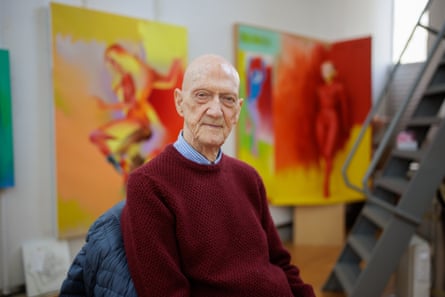
The collaboration brought together an unusual but complementary group of creative minds. Pop art sculptor Allen Jones, known for his provocative and body-conscious artwork throughout his distinguished career, contributed his sculptural expertise and conceptual direction. Visual artist Nadia Lee Cohen, whose work frequently explores the intersection of fashion, identity, and the human form, added her distinctive perspective to the project. The combination of these established artists with Whitaker Malem's contemporary design sensibility created a unique creative synergy that might not have been immediately obvious but proved remarkably effective.
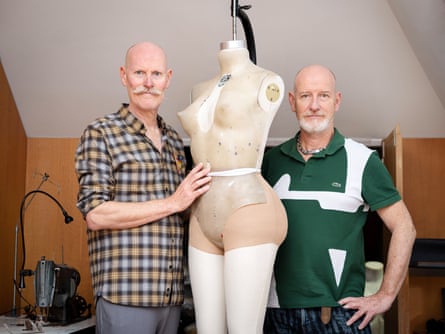
Whitaker also provided insight into Kardashian's mindset as she prepared to wear such a bold and unconventional piece to the industry's most scrutinized event. "I think she was nervous really," he reflected, acknowledging that stepping outside her typical fashion comfort zone required considerable confidence. For someone accustomed to wearing custom pieces from the world's most renowned fashion designers, choosing instead to wear an experimental sculpture created by relative newcomers to her usual circles was a significant risk. However, Kardashian's understanding of the fashion competition and her desire to make a meaningful artistic statement clearly outweighed any concerns about the unconventional nature of the collaboration.
The breastplate itself became a subject of intense analysis and discussion among fashion critics, art commentators, and social media observers. The bright orange color, reminiscent of pop art's bold color palettes, combined with the anatomically suggestive form of the piece, created multiple layers of meaning and interpretation. Some saw it as a commentary on the commodification of the female body in celebrity culture, while others viewed it primarily as a sculptural statement about art and fashion's ongoing dialogue with the human form.
The success of this collaboration highlighted an interesting trend within high fashion and celebrity styling: the growing appetite for experimental, artist-driven pieces over traditional designer creations. By working with a small London design practice rather than a major fashion house, Kardashian made a statement about valuing artistic innovation over commercial brand recognition. This approach demonstrated a more nuanced understanding of fashion's role within contemporary art and culture, positioning Kardashian not merely as a fashion consumer but as a patron of experimental art.
The fibreglass construction of the breastplate was particularly significant from both a technical and conceptual standpoint. This material, traditionally associated with industrial and automotive applications, was transformed through expert craftsmanship into a wearable art piece. The durability of fibreglass also made it practical for wearing on the red carpet, ensuring that the piece would maintain its structural integrity and glossy finish throughout the evening despite the close quarters and repeated photography sessions inherent to the Met Gala experience.
The creation process itself was a fascinating blend of traditional sculptural techniques and modern manufacturing methods. The involvement of the Kent car bodyshop introduced industrial expertise that transformed the artistic vision into a wearable reality. Car bodyshops possess specialized knowledge in working with fibreglass, applying pristine finishes, and creating smooth surfaces that could reflect light beautifully—skills that proved invaluable in bringing Whitaker Malem's design to fruition.
This Met Gala breastplate ultimately represents more than just a single red carpet moment. It symbolizes the evolving relationship between fashion, art, and celebrity in the contemporary cultural landscape. By choosing to collaborate with experimental artists and embrace unconventional materials and approaches, Kardashian challenged the fashion industry's traditional hierarchies and demonstrated that meaningful artistic statements can come from unexpected sources. The piece sparked conversations about the nature of fashion, the presentation of the body, and the role of celebrity in advancing artistic dialogue—precisely what Whitaker had hoped to achieve.
Source: The Guardian


