
King Charles Addresses Congress Amid UK-US Tensions

Monarch delivers rare speech to both houses of Congress during state visit, emphasizing enduring bonds between nations despite recent diplomatic strains.
King Charles III is poised to deliver a historic and carefully calibrated address to the United States Congress during his ongoing four-day state visit, with the monarch expected to acknowledge recent tensions between the two nations while reaffirming their deep historical connection. The speech, scheduled for Tuesday, represents a rare diplomatic moment in which a reigning British monarch will speak directly to both houses of the American legislature, an event that underscores the significance of the UK-US special relationship despite current complexities. Senior palace officials have indicated that the king's remarks will emphasize a theme of resilience and continuity, with the sovereign expected to state that "time and again our two countries have always found ways to come together" when facing challenges.
The timing of King Charles's address comes at a particularly delicate moment in Anglo-American relations, as the transatlantic partnership has experienced notable friction over several high-profile issues in recent months. Former President Donald Trump has publicly threatened to dismantle an existing trade deal negotiated between the United Kingdom and the United States, casting doubt on one of the cornerstone agreements of modern bilateral commerce. Additionally, Trump has made disparaging remarks about the Royal Navy, questioning its capabilities and global reach, while also directing personal criticism toward UK Prime Minister Keir Starmer regarding foreign policy decisions and military coordination matters.
These diplomatic incidents have created an unusual backdrop for a state visit, which traditionally celebrates harmony and mutual respect between nations. However, the decision to proceed with the visit and for King Charles to address Congress suggests that both governments remain committed to maintaining and strengthening their institutional ties despite political disagreements. The monarch's choice to acknowledge these recent strains obliquely, rather than confront them directly, reflects the delicate balance required in managing international diplomacy at the highest levels.

The king's visit to the United States represents his first state visit to America as monarch, a significant ceremonial undertaking that involves extensive coordination between the British Royal Household and the American government. During his four-day stay, King Charles will participate in numerous official engagements, state dinners, and cultural events designed to celebrate the historical connections between the two nations. The Congress address will be among the most prominent moments of the visit, offering the king a platform to speak directly to American elected representatives and, by extension, to the broader American public about matters of mutual concern and shared values.
Historically, addresses to Congress by foreign monarchs are exceedingly rare and carry considerable symbolic weight. The last British monarch to address Congress was Queen Elizabeth II in 1957, making this event a significant milestone in the annals of British-American relations. The occasion highlights how both nations continue to regard their partnership as worthy of the highest ceremonial recognition, even when disagreements exist on particular policy matters. Palace advisors have carefully crafted the king's remarks to bridge the gap between acknowledging current difficulties and projecting confidence in the fundamental strength of bilateral ties.
The special relationship between Britain and America has endured for nearly a century, rooted in shared democratic values, common heritage, and extensive institutional connections spanning military, intelligence, diplomatic, and commercial domains. Throughout various historical periods, including times of significant international tension and shifting geopolitical dynamics, both countries have repeatedly found mechanisms to resolve disputes and maintain their strategic partnership. King Charles's address will likely emphasize this historical pattern while suggesting that contemporary challenges, however serious, fall within a broader context of successful crisis management and diplomatic problem-solving.
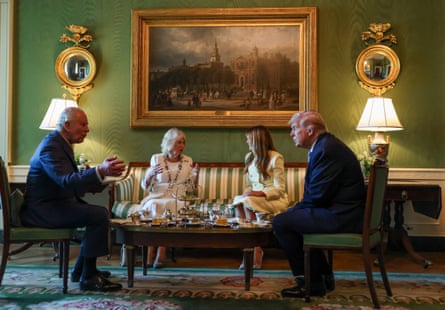
The trade deal threat emanating from former President Trump has particular significance for the UK government, which has been attempting to forge new commercial relationships since its departure from the European Union. The potential unraveling of a major transatlantic trade agreement would represent a significant setback for British economic interests and would complicate efforts to diversify the nation's trade partnerships beyond Europe. Similarly, Trump's critical remarks about the Royal Navy and Prime Minister Starmer reflect a more confrontational diplomatic style that contrasts sharply with the typically measured interactions characteristic of UK-US government relations.
Prime Minister Keir Starmer's government has sought to manage these tensions while maintaining cordial relationships across the American political spectrum. The decision to proceed with the royal state visit, despite the hostile rhetoric from Trump, signals British determination to preserve institutional relationships that transcend partisan American politics. British officials recognize that while Trump currently holds significant political sway, the American political landscape remains dynamic, and maintaining relationships with multiple political actors and institutions serves long-term British interests.
The diplomatic significance of King Charles's Congress address lies partly in its symbolic reaffirmation of commitment despite disagreement on specific matters. The monarch's carefully chosen language about nations finding ways to "come together" acknowledges implicit tensions without diminishing the fundamental importance of the bilateral relationship. This rhetorical approach reflects the sophisticated diplomacy required when addressing profound institutional relationships that must survive partisan political fluctuations and temporary policy disagreements.

Members of Congress from both parties are expected to attend the king's address, making it an occasion for demonstrating bipartisan commitment to the transatlantic partnership. The legislative branch's participation in the ceremonial aspect of the state visit underscores how the UK-US relationship extends beyond executive branch interactions and encompasses broader governmental institutions. Congressional attendance and formal recognition of the British monarch represents an affirmation that disputes over particular policies need not undermine the deeper structural cooperation between the two democracies.
Looking forward, King Charles's visit and his address to Congress will likely set the tone for how the bilateral relationship navigates current tensions while maintaining the institutional and personal connections that have characterized Anglo-American relations for generations. The success of the visit will be measured not merely by the content of individual speeches, but by the broader message conveyed: that even when disagreements emerge over trade, military capabilities, or political personalities, the fundamental commitment to partnership remains intact.
The four-day state visit provides ample opportunity for numerous bilateral meetings, cultural exchanges, and ceremonial functions that collectively reinforce the depth of connection between the two nations. From formal dinners to visits to significant American cultural and historical sites, the itinerary has been carefully designed to celebrate shared heritage and contemporary cooperation. These multifaceted interactions serve to cushion diplomatic relationships during periods when specific policy disagreements might otherwise dominate public attention and media coverage.
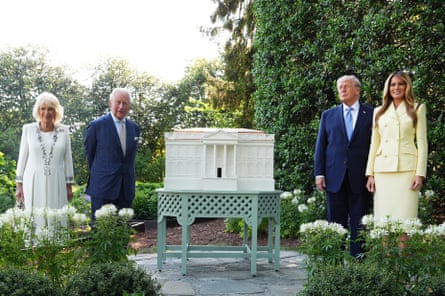
As the king prepares to address Congress, his remarks will undoubtedly become the subject of extensive analysis and interpretation in both British and American media outlets. The specific language employed regarding recent tensions, the tone adopted in discussing the bilateral relationship, and the vision articulated for future cooperation will all merit careful attention from diplomatic observers and policy analysts. The address represents an opportunity for King Charles to establish his voice as monarch in matters of international significance and to project his personal commitment to maintaining the transatlantic partnership.
The ultimate success of King Charles's congressional address will rest on his ability to navigate the delicate balance between acknowledging recent difficulties and affirming unwavering commitment to the special relationship. By emphasizing historical patterns of cooperation and resilience, and by articulating a forward-looking vision of continued partnership, the king can help restore a sense of stability and mutual respect to bilateral relations. Whether the address successfully achieves these diplomatic objectives will likely become clearer in the weeks and months following the conclusion of the state visit, as both governments return their attention to the specific policy matters that have created recent friction.
Source: The Guardian


