
King Charles Backs NATO, Defends Ukraine in Congress Speech

British monarch emphasizes US-UK alliance and NATO importance during Trump visit, delivering pointed message on defending liberal values and Ukraine.
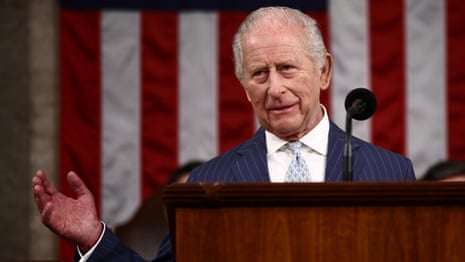
King Charles III delivered a landmark address to the United States Congress, marking the 250th anniversary of American independence with a carefully crafted speech that underscored the enduring significance of the special relationship between Britain and America. The monarch's remarks, delivered during an official state visit to Washington, carried particular weight given the current geopolitical landscape and the ongoing discussions about America's role in international affairs.
In his address to lawmakers, the King emphasized the critical importance of NATO and the international community's commitment to defending Ukraine against Russian aggression. His speech appeared designed as a diplomatic gesture toward ensuring continued American engagement with traditional European alliances, particularly as questions mount about the future direction of US foreign policy. The timing of his remarks, coinciding with Trump's political prominence, suggested a carefully considered message about the value of maintaining strong transatlantic bonds.
The monarch opened his address by reflecting on the profound historical significance of American independence and the shared values that have bound the two nations together for nearly two and a half centuries. "America's words carry weight and meaning, as they have since independence," Charles stated, establishing the foundation for his broader message about American global influence. "The actions of this great nation matter even more," he continued, underlining the responsibility he believes rests upon the United States to maintain its position as a defender of democratic principles and international stability.
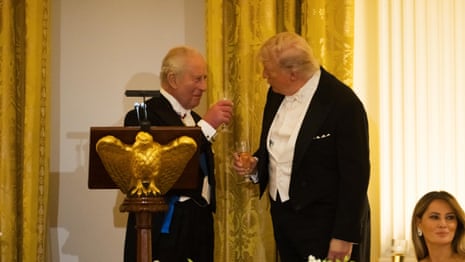
Throughout his remarks, King Charles wove together themes that reflected shared Anglo-American concerns and values. The speech represented not merely a ceremonial address but rather a substantive diplomatic intervention in contemporary debates about Western unity and resolve. By emphasizing NATO's importance and the necessity of supporting Ukraine, the King positioned himself as a voice for multilateralism and collective security arrangements that have defined Western strategy since the post-World War II era.
The defense of Ukraine emerged as a central theme in Charles's congressional address, reflecting the priorities of both the British government and European allies concerned about sustained American commitment to the conflict. The King's emphasis on this issue signaled to American lawmakers that maintaining support for Ukraine remains essential to broader Western interests and values. His remarks also appeared designed to remind American political leaders that the consequences of reduced international engagement would extend far beyond Eastern Europe, potentially weakening the entire architecture of liberal democratic alliance-building.
Beyond security concerns, King Charles also addressed the climate crisis as a defining challenge facing both nations and the wider world. He framed environmental action as integral to the long-term prosperity and security of democratic societies, connecting ecological stewardship to the preservation of liberal values and economic opportunity. This emphasis reflected his longstanding personal commitment to environmental causes and his belief that climate change represents an existential challenge requiring coordinated international responses.
The King's address carried particular significance given the broader political context in which it occurred. His veiled plea for America to return to its traditional role as a guarantor of international liberal values appeared directed at American political leaders who might be considering a different approach to foreign policy. By appealing to historical American identity and global leadership, Charles sought to reinforce the notion that isolationism or a fundamental reorientation away from European partnerships would represent a departure from America's fundamental national interests.
In crafting his message, the King drew upon his deep knowledge of American history and his understanding of the sophisticated interplay between national interest and international responsibility. His reference to American words carrying weight since independence conveyed respect for American democratic traditions while simultaneously reminding Congress that such influence carries obligations. The speech demonstrated Charles's recognition that soft diplomacy—conveyed through carefully chosen language and symbolic gestures—could reinforce the bonds between democracies during uncertain times.
The congressional address also reflected the importance the British monarchy places on its relationship with the United States government and American public opinion. As a constitutional monarch who cannot engage in overt political advocacy, King Charles nonetheless used the occasion to articulate perspectives aligned with the official British government position on NATO, Ukraine, and climate change. His remarks found resonance with American lawmakers who share similar commitments to international engagement and liberal democratic values.
The special relationship between Britain and the United States represents a cornerstone of postwar international relations, encompassing military cooperation, intelligence sharing, and coordinated diplomatic efforts. King Charles's invocation of this relationship served to remind Americans of the tangible benefits of maintaining strong Anglo-American ties, from economic partnerships to collective security arrangements. His address suggested that this relationship remains vital not merely to British interests but to broader Western prosperity and stability.
Security analysts and diplomatic observers noted that the King's emphasis on NATO and alliance commitments addressed growing anxieties among European partners about American reliability and commitment. By speaking to Congress directly, the King elevated the message beyond typical diplomatic channels and positioned the defense of the international liberal order as a shared responsibility encompassing multiple generations of leaders. His remarks suggested that the transatlantic alliance represents not merely a temporary arrangement but a fundamental requirement for maintaining global stability.
The address concluded by emphasizing the enduring importance of American leadership in shaping a stable, prosperous international order. King Charles articulated a vision of American power deployed in service of liberal democratic values, rule of law, and international cooperation. His speech, delivered with the solemnity appropriate to the occasion, represented a significant moment in contemporary transatlantic relations, reinforcing the historical bonds between two nations while diplomatically addressing current anxieties about the future direction of American foreign policy and international engagement.
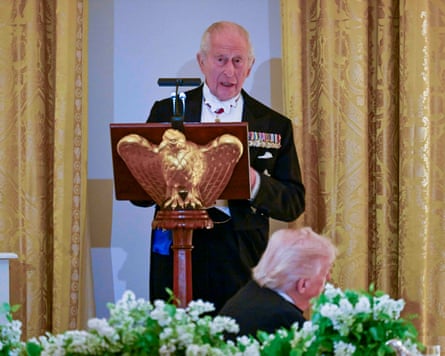
The impact of King Charles's congressional address extended beyond the chamber itself, generating discussion among policymakers, analysts, and the broader public about America's role in the world and its responsibilities to allies and international institutions. His carefully calibrated remarks demonstrated the continuing relevance of soft power and diplomatic messaging in advancing national interests while reinforcing shared values among democratic societies facing common challenges.
Source: The Guardian


