
King Charles Dazzles Congress with Eloquent Speech

King Charles III delivers masterful address to US Congress, citing literary giants while navigating diplomatic challenges with grace and wit.
In a commanding display of diplomatic prowess, King Charles III delivered a remarkably sophisticated address to the United States Congress on Tuesday, drawing from a carefully curated arsenal of literary and historical references to captivate his audience. The British monarch's speech seamlessly wove together quotations from Oscar Wilde and Charles Dickens alongside references to influential American leaders including Henry Kissinger, Abraham Lincoln, and Theodore Roosevelt. His carefully measured delivery and strategic use of humor created what observers described as a masterclass in international soft power diplomacy, designed to reinforce the enduring special relationship between Britain and the United States.
The address represented a deliberate and sophisticated political strategy, with every reference meticulously chosen to resonate with American lawmakers while subtly advancing British interests. Rather than confronting the controversial figure in the Oval Office directly, Charles opted for an indirect approach that demonstrated considerable diplomatic acumen. The speech functioned as a charm offensive aimed at Congress itself, effectively circumventing potential tensions and focusing instead on shared values, historical connections, and cultural affinities between the two nations. This calculated approach suggested that the palace had invested significant thought into how best to navigate the current political landscape while maintaining dignity and composure.
The response from Congress proved overwhelmingly positive, with lawmakers rising to their feet at the conclusion of the speech to deliver an extended round of applause lasting approximately one minute. The standing ovation served as a powerful indicator that the monarch's message had successfully resonated with members from both sides of the aisle, suggesting bipartisan appreciation for his words and his presence. The enthusiastic reception underscored the continued relevance and importance of the transatlantic alliance to American political leaders, regardless of their partisan affiliations.

Throughout his remarks, King Charles demonstrated a sophisticated understanding of American history and culture, references that went well beyond mere ceremonial pleasantries. His invocation of nineteenth-century literary figures alongside presidents and statesmen suggested a deeper appreciation for the intellectual foundations of American democracy and British-American shared heritage. The inclusion of these cultural touchstones served multiple purposes simultaneously, establishing common ground while also subtly positioning the British monarchy as a keeper of important historical traditions. This approach reflected a modern understanding of how cultural diplomacy operates in contemporary international relations.
The monarch's careful tone and measured delivery stood in sharp contrast to the more volatile rhetoric that has characterized certain corners of American political discourse in recent years. His performance demonstrated that traditional approaches to diplomatic communication, emphasizing eloquence, historical knowledge, and respect for institutional traditions, still held considerable power in the contemporary political arena. The speech appeared designed to remind American lawmakers of the value of civility, intellectual engagement, and historical perspective in conducting the nation's affairs and international relations.
Observers noted that the speech notably avoided any direct criticism of the current administration, instead focusing on universal themes of partnership, shared democratic values, and mutual respect. This diplomatic restraint suggested a deliberate choice to emphasize what unites the two nations rather than what might divide them. The monarchy's traditional role as a non-partisan institution was effectively leveraged to serve as a unifying force that could appeal across political divisions within the American Congress.
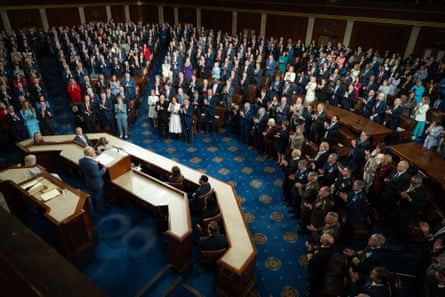
The success of the congressional address appeared to validate the palace's decision to focus on cultural and historical connections rather than contemporary political controversies. By grounding his remarks in literature, philosophy, and the historical achievements of both nations, Charles positioned himself as speaking on behalf of enduring values and principles that transcended any particular administration or political moment. This approach suggested a sophisticated understanding of how to exercise monarchical influence in a democratic context where direct political engagement would be inappropriate.
The speech also served important domestic purposes within the United Kingdom, demonstrating to the British public that their monarch remained capable of commanding respect and attention on the world stage. The positive reception from the American Congress served as a powerful affirmation of the king's credibility and effectiveness as a diplomat and statesman. This success at home and abroad suggested that the transition to the current reign had proceeded smoothly and that the institution of the monarchy remained relevant to contemporary British national interests.
Looking forward, the congressional address appeared likely to strengthen the UK-US diplomatic relationship at a time when such reinforcement could prove valuable for both nations. The speech demonstrated that personal relationships and cultural connections remained important factors in international relations, even in an age of instant communication and shifting political alignments. By investing effort into a direct appeal to American lawmakers, the monarchy signaled its commitment to maintaining and strengthening one of Britain's most crucial international relationships.
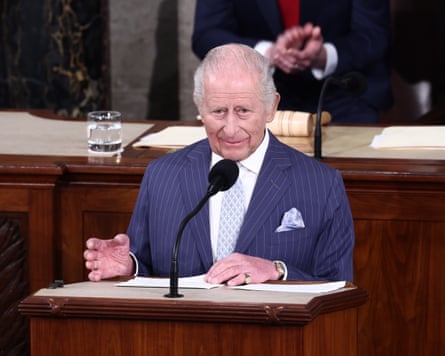
The event highlighted how traditional institutional actors like the monarchy could continue to exercise meaningful influence in contemporary international affairs through the careful deployment of cultural capital and historical knowledge. The speech demonstrated that there remained significant audiences receptive to eloquent, historically informed, and civically engaged discourse, even in an era characterized by polarization and fragmentation. As the king's visit to Washington continued, observers expected that the momentum generated by the successful congressional address would facilitate ongoing diplomatic discussions on matters of mutual concern to both nations.
Source: The Guardian


